
Every time a document is notarized in Pennsylvania, the act is written into a book. Most people never think about it, never ask to see it, and have no idea it follows them around for years afterwards.
It is worth knowing what is in there — particularly since a rule change in March 2026 altered what a notary is allowed to record.
The journal is mandatory
Pennsylvania requires notaries to keep a journal of notarial acts. This is not best practice or a professional courtesy; it is a requirement under the Revised Uniform Law on Notarial Acts.
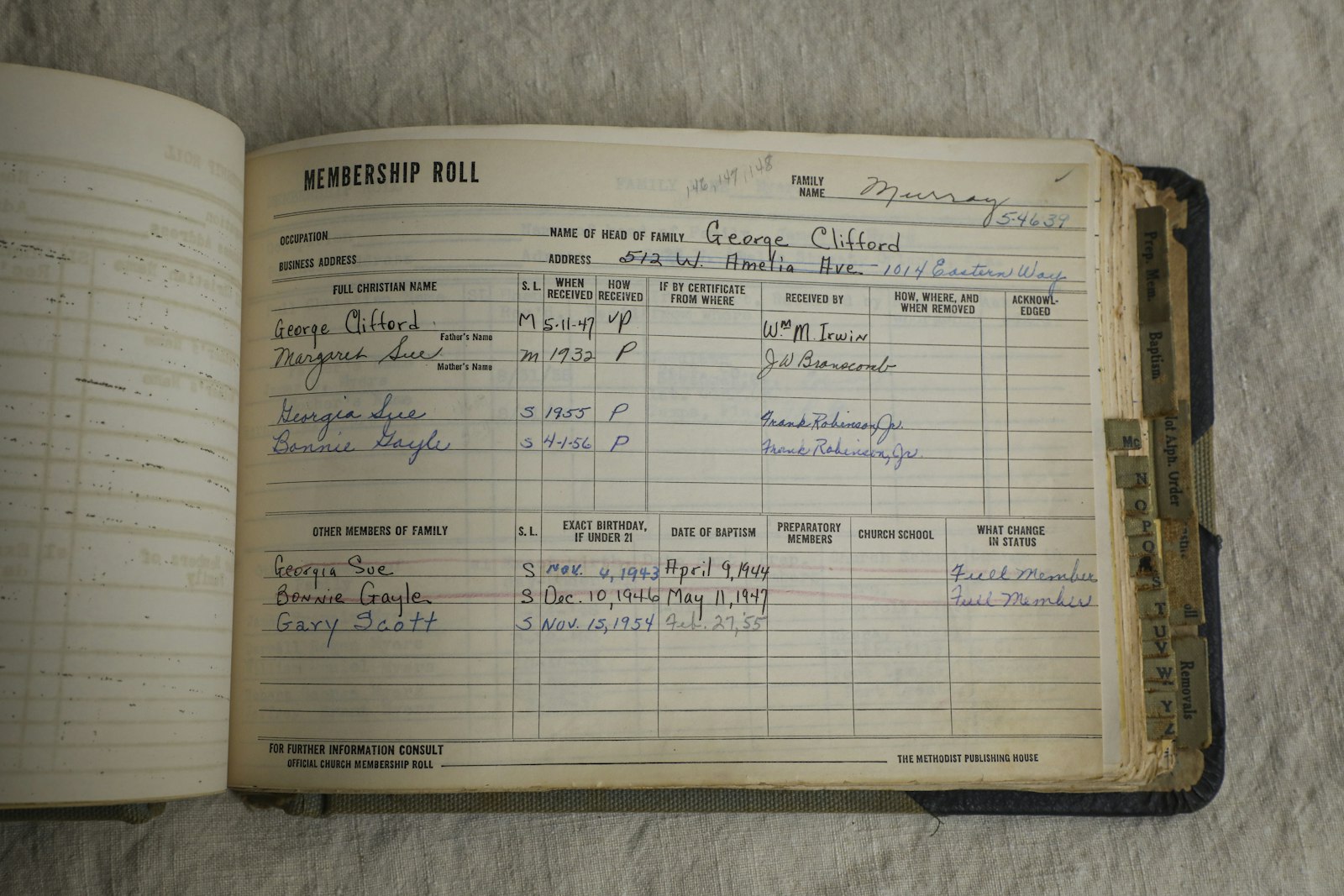
It may take two forms:
| Format | Requirement |
|---|---|
| Tangible | Bound, with consecutively numbered pages |
| Electronic | Tamper-evident |
| Combined | A single journal covering all acts is permitted |
| Separate | Separate journals for different act types are also permitted |
The design constraints tell you the purpose. Bound and consecutively numbered means a page cannot be removed without leaving evidence. Tamper-evident means the same thing in software. The journal is built to be difficult to alter after the fact.
What gets recorded
Each entry documents the notarial act — what was performed, for whom, and critically when.

The date and time recorded is the moment you stood in front of the notary. Not the date printed on the document, not when it was filed or recorded afterwards. That single detail is what makes a journal useful years later — it fixes a person to a place at a time.
That is also why a notary will not backdate an entry, however convenient it would be. An entry recording a date the signer was not present is worthless as evidence and serious misconduct besides.
The 2026 privacy change
Historically, notary journals in many states recorded identification document numbers in full. That created an obvious problem: a book containing dozens of people’s licence numbers, sitting in a filing cabinet.
Pennsylvania closed it. As of 28 March 2026, the journal may not contain personal identifiers — only the last four digits of an identification document may be recorded.

The last four digits are enough to distinguish between documents if a question arises later, and not enough to be useful to anyone who obtains the book improperly. It is a sensible trade, and it is recent enough that older guidance still describes the previous position.

Where the journal ends up
A notary’s commission does not last forever, and the journal outlives it.
| Event | What follows |
|---|---|
| Commission expires | Journal delivered to the county recorder of deeds |
| Notary resigns | Same |
| Commission revoked | Same |
| Deadline | Within 30 days |
| Which county | Where the notary last maintained an office |

So the record of your notarization does not disappear when the notary retires. It moves into county custody, alongside the deeds and other public records that county holds — the same offices described in notarizing a deed in Pennsylvania.
Remote online notarizations add a further layer: the audio-visual recording of the session must be retained for at least ten years. If you have ever been notarized over video, there is a recording of it — a point worth weighing when choosing between the options in mobile, online and in-office notarization.
What the journal is not
Two misunderstandings are worth clearing up, because they push in opposite directions.
The journal is not a copy of your document. A notary records the act, not the contents. Nobody reading the journal later learns what your affidavit said, who your power of attorney named, or what a contract was worth. The notarial act is about identity and signature, and the record follows that scope.
Equally, the journal is not a private note the notary can revise. It is a formal record with statutory requirements about its format, and it is designed so that entries cannot quietly change afterwards. That constraint protects you as much as it constrains the notary.
Between those two facts sits the useful middle: enough recorded to prove the act happened, not so much that the book becomes a liability if it is lost.
Why any of this benefits you
The journal can look like bureaucracy aimed at the notary. It is better understood as evidence held on your behalf.

- If a signature is disputed, the journal shows the act happened, when, and that identification was checked.
- If a document is challenged as a forgery, the entry is independent evidence that a real person appeared.
- If a notary is accused of misconduct, the journal is what exonerates or condemns them.
- If you need to establish a date years later, the record exists in a form built to resist alteration.
That last point matters for exactly the documents people notarize and then forget about — powers of attorney, affidavits, self-proving affidavits on wills. All of them may be examined long after everyone involved has stopped thinking about that afternoon.
What you can do at the appointment
- Ask to see the entry if you want to know what is being recorded.
- Check the date and time are accurate before you leave.
- Bring identification you are content to have partially recorded — only the last four digits go in.
- Note who the notary is, and their commission expiry, in case you need to find them later.
- Keep your own copy of the notarized document.
Nothing in that list is unusual to ask for, and a notary operating properly will have no difficulty with any of it. The rest of the appointment is covered in what to bring to a notary appointment in Pennsylvania.
We keep our records at our Bethlehem office exactly as the regulations require. Journal requirements are set out in 4 Pa. Code § 167.32, Journal entries.
Frequently asked questions
Do Pennsylvania notaries have to keep a journal?
Yes. Under the Revised Uniform Law on Notarial Acts, maintaining a journal of notarial acts is mandatory for Pennsylvania notaries, not optional. It may be a tangible bound book or an electronic record.
What goes in the journal?
Each entry records the notarial act, including the date and time it was performed — which is the date and time the signer physically appeared before the notary, not when the document was dated or later filed.
Does the notary record my ID number?
Not in full. As of 28 March 2026, a Pennsylvania notary journal may not contain personal identifiers — only the last four digits of an identification document may be recorded.
Can a journal be kept electronically?
Yes. A journal may be tangible, meaning bound with consecutively numbered pages, or electronic, in which case it must be tamper-evident. A notary may keep one combined journal or separate journals.
What happens to the journal when a notary stops practising?
Within 30 days of a commission expiring, being resigned or being revoked, the notary delivers the journal to the recorder of deeds in the county where they last maintained an office.
Can I ask what was recorded about my own notarization?
You can ask. The journal exists partly to allow a notarial act to be verified later, which is precisely why it matters that the record is accurate at the time. Ask the notary at the appointment if you want to see what is being written.
Questions about how we keep records?
Ask at the counter. We will show you what goes in the journal and what does not — it is your notarization being recorded. Hablamos Español.