
A lease looks simpler than a purchase and is administratively stranger. The car is not yours, the title is not yours, and yet the registration, the inspection and the insurance all are.
The lessor owns it
The certificate of title is issued in the leasing company’s name because they own the vehicle. You hold a contractual right to use it, which is a different thing entirely.
That distinction has practical consequences all the way through the lease. You cannot sell the car, you cannot modify it freely, and you cannot make decisions about the title — because none of it is yours to decide.
| Item | Lessor | Lessee |
|---|---|---|
| Certificate of title | Holds it, in their name | — |
| Registration | — | Registers and renews |
| Insurance | Sets minimum requirements | Buys and maintains it |
| Safety inspection | — | Arranges annually |
| Sales and lease tax | Collects it | Pays it |
| The registration plate | — | Belongs to the lessee |
Form MV-1L
The document that makes this work is Form MV-1L, Application for Lessee Information, and it is completed by the leasing company rather than by you.
Where block 2 is checked, it records that the lessee is responsible for all registration documents. In practice that means the renewal notices, the registration card and the obligation to keep everything current land with the driver, not the owner.
Which is the part that catches people. Drivers assume the leasing company handles registration because they hold the title. Frequently they do not. Read the lease and check who the registration documents are addressed to — an expired registration on a leased car is still your citation.
The tax nobody mentions in the advert
Pennsylvania taxes leases differently from purchases, and there are two layers.
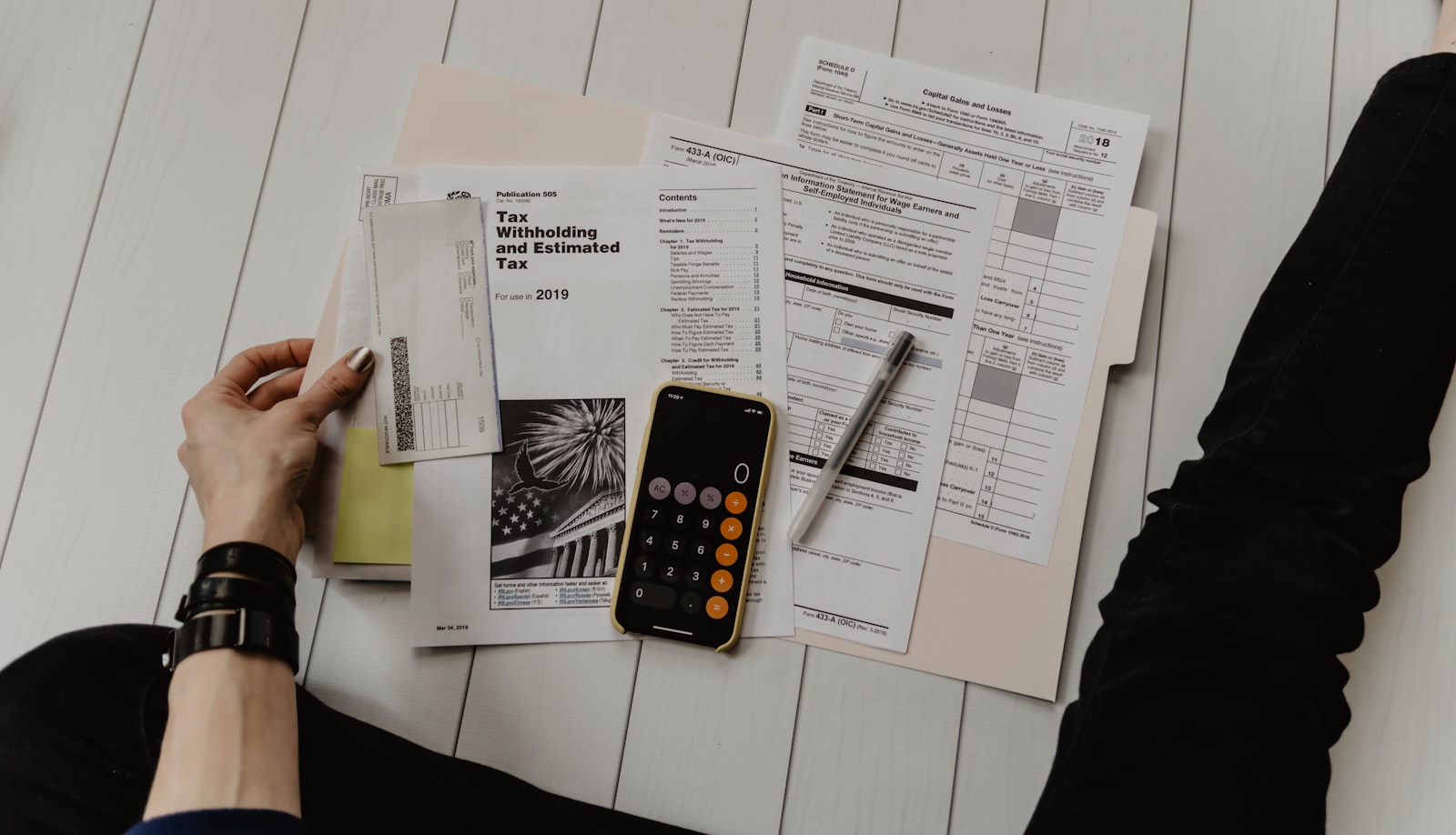
First, the sales tax. On a lease the lessor claims the resale exemption and then collects tax on the monthly lease payments rather than on the vehicle’s full value. That is genuinely favourable — you are taxed on what you use, not on the whole car.
Second, the part that surprises people: Pennsylvania applies a 3% motor vehicle lease tax in addition to the 6% sales tax. It appears in the payment breakdown rather than the headline figure, which is why so many lessees meet it for the first time at signing.
| Purchase | Lease | |
|---|---|---|
| Sales tax base | The full purchase price | The monthly lease payments |
| Sales tax rate | 6% | 6% |
| Additional lease tax | — | 3% |
| When it is paid | Once, at transfer | Monthly, across the term |
Registration during the term
Because the registration is your responsibility, so is everything attached to it.
- Renew before it expires. Pennsylvania will not renew where the safety inspection has lapsed — see our registration renewal guide.
- Keep the inspection current. Annual safety, plus emissions in Lehigh and Northampton counties.
- Do not let insurance lapse. A gap can suspend the registration, as set out in restoring a suspended registration.
- Update your address so notices actually arrive.
Insurance is stricter on a lease
The leasing company owns the asset, so they set requirements well above Pennsylvania’s 15/30/5 minimum. Expect comprehensive and collision to be mandatory, with a capped deductible, and the lessor named as loss payee.
Gap coverage deserves particular thought here. A leased vehicle depreciates while your obligation under the contract does not move in step, and a total loss can leave a shortfall you are contractually liable for. The mechanics are in when your car is totaled in Pennsylvania.
Some leases build gap protection into the agreement and some do not. It is worth establishing which yours does before buying it separately, and worth checking the price either way — cover arranged through your own insurer is frequently cheaper than the version offered in the finance office.
Ending the lease
Two routes, and both have paperwork.
Handing it back. The vehicle returns to the lessor, and the registration ends with it. Your plate does not go with the car — remove it and either transfer it to your next vehicle for $11.00 or surrender it with Form MV-141, as described in transferring a license plate.
Buying it out. This is a purchase, at the price set in the agreement, and it produces a full title transfer into your name — with the $72 certificate of title fee and 6% sales tax on the buyout amount. The process is the ordinary one set out in how to transfer a car title in Pennsylvania.

If you move out of state mid-lease
Tell the leasing company early. Because they hold the title, the new state has to obtain it from them, and that exchange between institutions is the slowest part of any relocation.
Some lessors also restrict which states a vehicle may be moved to, so it is worth confirming before the moving van is booked rather than after. The wider process is in moving out of Pennsylvania.
We handle registration, renewals, plate transfers and lease buyout title work through our PennDOT agent services in Bethlehem, and can quote the coverage a lessor will require through our insurance service. Pennsylvania’s rules for leased vehicles sit in 67 Pa. Code § 63.32.
Frequently asked questions
Who owns a leased car in Pennsylvania?
The leasing company. The title is issued in the lessor’s name because they own the vehicle. You hold the right to use it under the lease, which is a different thing from ownership.
Who registers a leased vehicle?
The lessee, in the ordinary arrangement. Form MV-1L, Application for Lessee Information, is completed by the leasing company, and where block 2 is checked the lessee is responsible for all registration documents and for keeping the registration current through the lease term.
What is the 3% lease tax?
Pennsylvania applies a motor vehicle lease tax of 3% in addition to the 6% sales tax on the lease. It is charged on the lease rather than on a purchase price, and most drivers first encounter it in the monthly payment breakdown.
Is sales tax charged on the whole value of the car?
No. On a lease the lessor claims the resale exemption and then collects tax on the amount of the monthly lease payments. That is one reason a lease payment can compare favourably with a purchase instalment.
What happens to the plate at the end of the lease?
The plate belongs to you as the registrant, not to the leasing company. Transfer it to your next vehicle for $11.00 or surrender it — do not leave it on a car you are handing back.
Can I buy the car at the end of the lease?
Usually, at a price set in the agreement. A buyout is a genuine purchase and produces a title transfer into your name, with the usual title fee and sales tax on the buyout amount.
Leasing, or coming to the end of one?
We handle the registration side throughout the term and the title transfer if you buy it out. Bring the lease paperwork. Hablamos Español.