Category: PennDOT & Title Services

Guides to Pennsylvania vehicle titles, registration, and PennDOT paperwork.

  • How to Transfer a License Plate in Pennsylvania

    How to Transfer a License Plate in Pennsylvania

    Pennsylvania does something most drivers only half understand: the registration plate belongs to you, not to the car it happens to be bolted to. That single fact changes what should happen every time you sell a vehicle.

    Why the plate stays with you

    In states where plates follow the vehicle, the plate goes to the buyer with everything else. Pennsylvania does the opposite. When you sell a car here, you take the plate off and keep it.

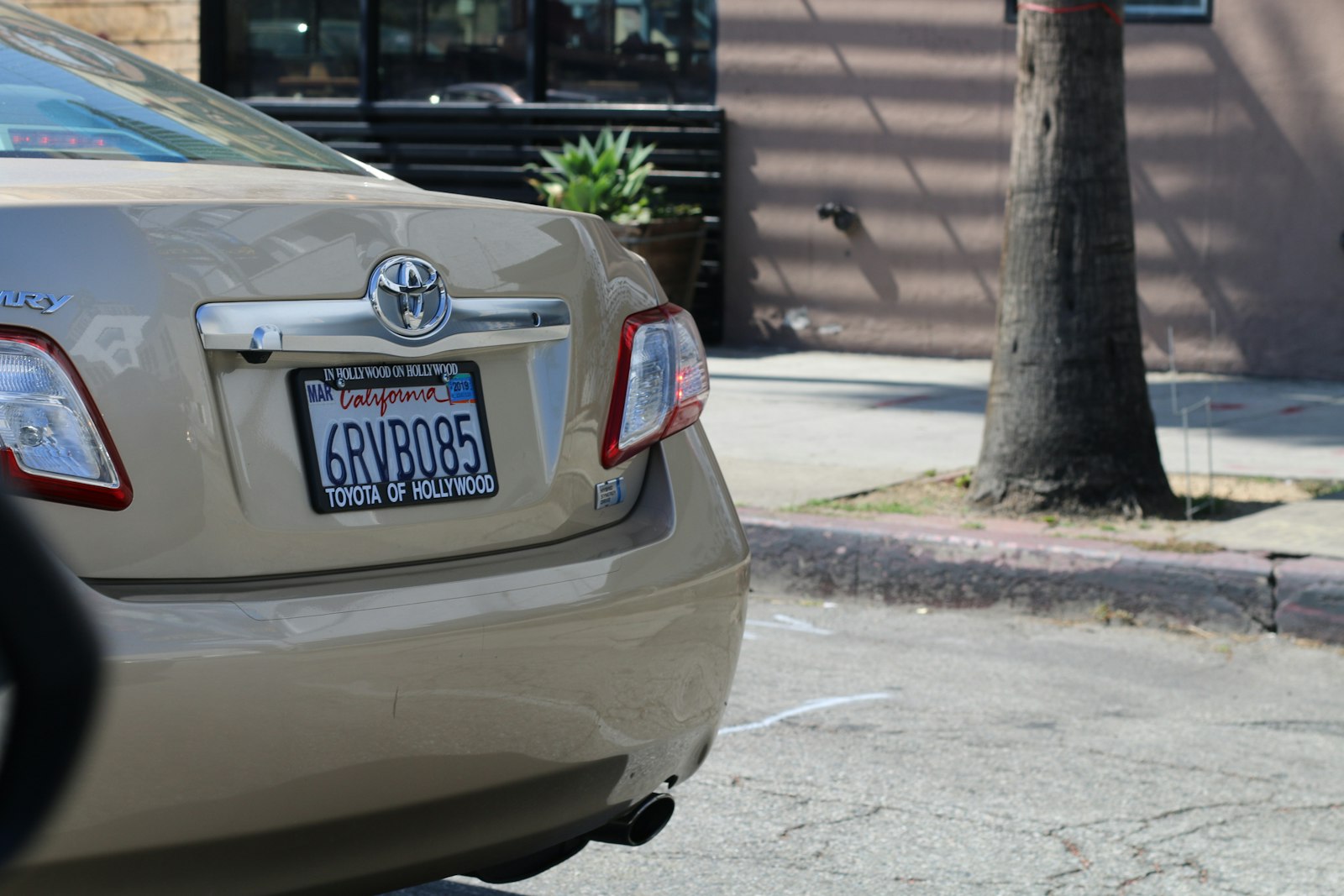
    Removing a license plate from a vehicle being sold in Pennsylvania
    Take the plate off before the buyer drives away.

    You then have three options: move it to your next vehicle, hold it for a future transfer, or turn it in. What you should not do is leave it on the car — the registration is still recorded to you, and so is anything that happens while it is displayed.

    Remove the plate before the buyer drives away. Not after the weekend, not once the paperwork clears. The moment ownership changes, that plate is on someone else’s vehicle with your name attached to it.

    Who you can transfer a plate to

    The rules are more generous than most people assume. A plate can move to another vehicle you own or lease — and also to one owned or leased by a close family member.

    Eligible plate transfers in Pennsylvania
    Transfer to Allowed?
    Another vehicle you own Yes
    Another vehicle you lease Yes
    A vehicle owned or leased by your spouse Yes
    A vehicle owned or leased by your parent Yes
    A vehicle owned or leased by your child Yes
    A friend’s vehicle No
    A sibling’s vehicle No
    A vehicle in a different registration class No
    Plate transfers are allowed between close family members in Pennsylvania
    Spouse, parent or child — the circle is wider than most expect.

    Classification has to match

    Both vehicles must fall under the same registration classification. A passenger car plate transfers to another passenger car. It does not transfer to a commercial vehicle, a truck in a different registered weight class, or a motorcycle.
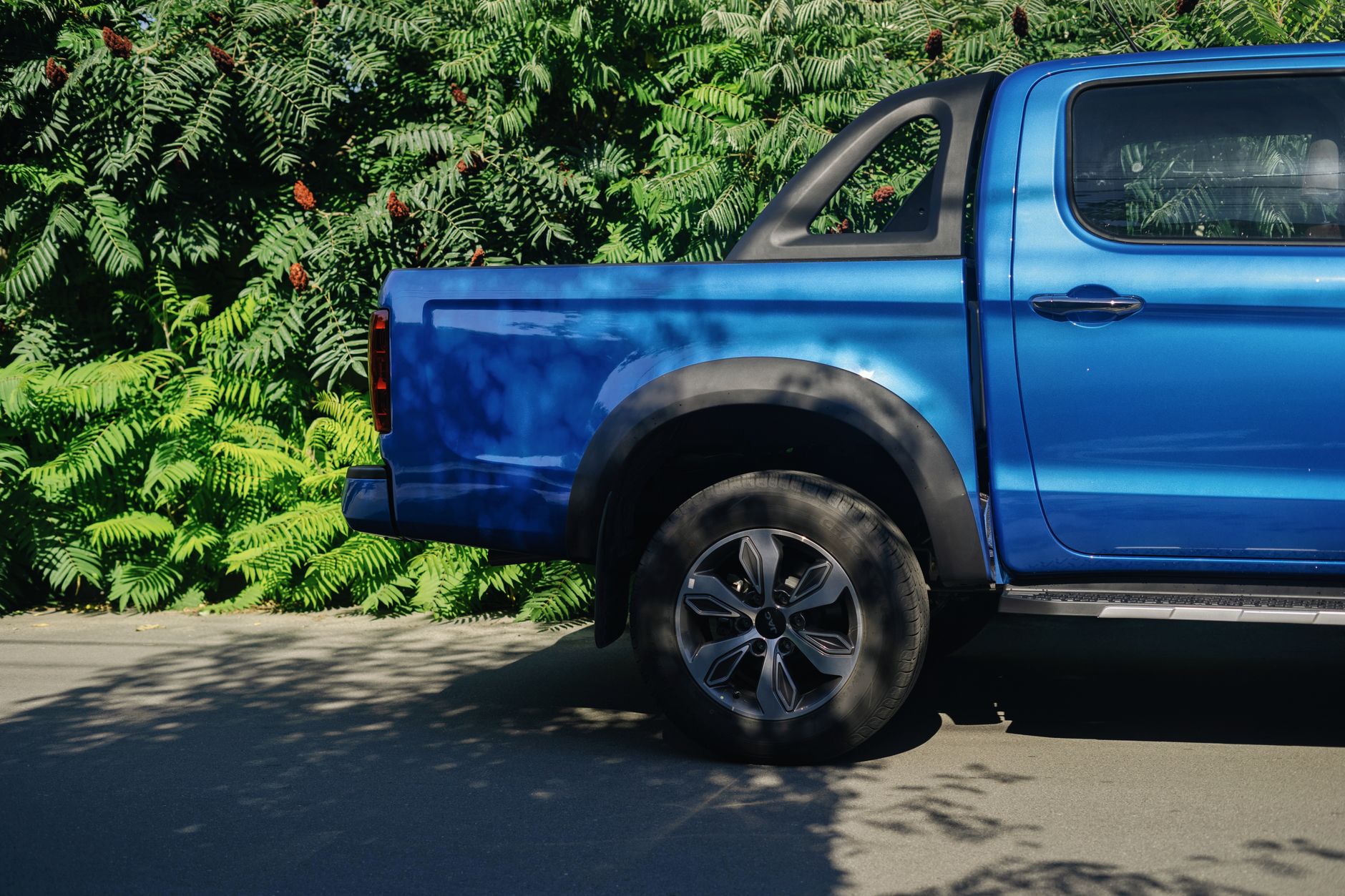
    Vehicle classification limits which plates can be transferred
    Class has to match. A passenger plate stays with passenger cars.

    Motorcycles carry their own plate type and their own registration fee — $25.00 for one year against $48.00 for a passenger car. Our guide to motorcycle insurance in Pennsylvania covers the rest of what differs for riders.

    The money

    Transfer versus a new registration
    Option Fee When it applies
    Transfer of registration plate $11.00 Moving a plate you already hold
    New passenger car registration, one year $48.00 No plate to transfer
    New passenger car registration, two years $96.00 Optional longer term
    Duplicate registration card at transfer $2.00 If you need a replacement card
    The $11 Pennsylvania plate transfer fee compared to a new registration
    $11 against $48 — the easiest saving in the transaction.

    Thirty-seven dollars is not life-changing, but it is free money sitting on the table during a transaction where you are already paying a title fee and 6% sales tax. Our full cost breakdown for a Pennsylvania title transfer shows where it fits against everything else.

    You cannot do this yourself

    This is the part that surprises people. A plate transfer runs on Form MV-4ST, the Vehicle Sales and Use Tax Return and Application for Registration — and Section F of that form must be completed by an authorized agent of PennDOT.

    The form is not generally available to the public. It is issued to authorized agents, which means the transfer cannot be completed independently or by post in the ordinary case.
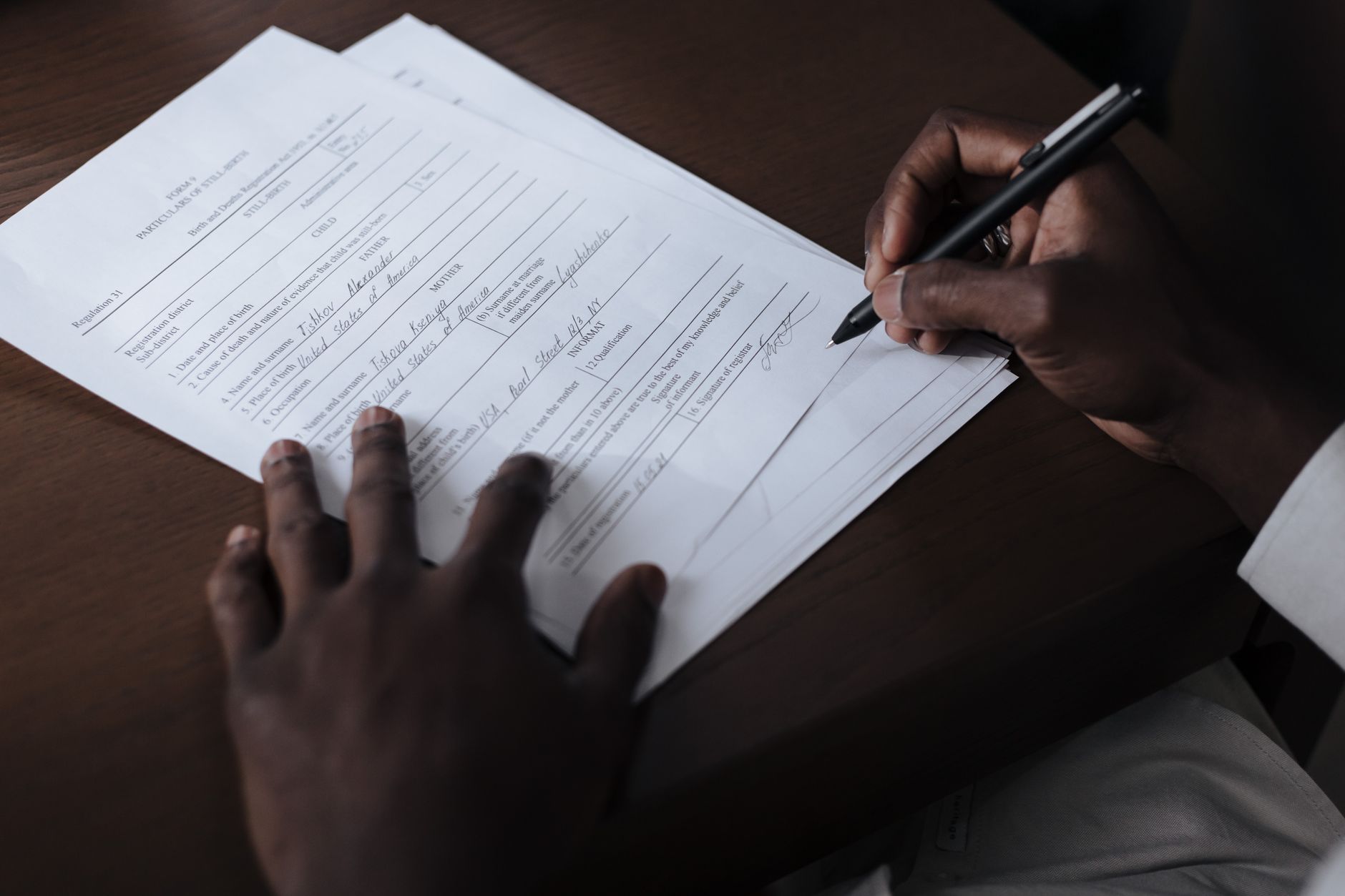
    Form MV-4ST section F completed by an authorized PennDOT agent
    Section F can only be completed by an authorized agent.

    In practice this is rarely an inconvenience, because the plate transfer happens as part of the title work anyway. When we process a title transfer at our Bethlehem office, Section F is completed at the same time and you leave with the plate already moved and a new registration card in hand.

    What to bring

    • The registration card for the plate being transferred
    • The plate itself, if it is not already on the new vehicle
    • Photo identification
    • Proof of Pennsylvania insurance on the vehicle receiving the plate
    • The title work for the new vehicle, if the transfer is part of a purchase
    • Proof of relationship, if transferring to a spouse, parent or child

    If you are not replacing the vehicle straight away

    Selling a car without another one lined up is common, and the plate does not expire the moment the vehicle goes. You can hold it and transfer it later when you buy.

    Two things are worth tracking while it sits in the garage. The registration attached to it still has an expiry date, and letting it lapse means renewing as well as transferring when the time comes. And insurance has to be in force on whatever vehicle receives it before the transfer can complete.

    If you have no intention of using the plate again, turning it in is the tidy option — it closes the registration record cleanly rather than leaving an active plate unaccounted for.

    When a new plate is the better call

    Transferring is usually right, but not always:

    • The plate is damaged or unreadable. A faded or bent plate is worth replacing rather than carrying forward.
    • You are changing vehicle class. Then you have no choice.
    • The registration has long since expired. You may be renewing and transferring at once, which changes the arithmetic.
    • You want a specialty or organisation plate. A fresh application is required regardless.
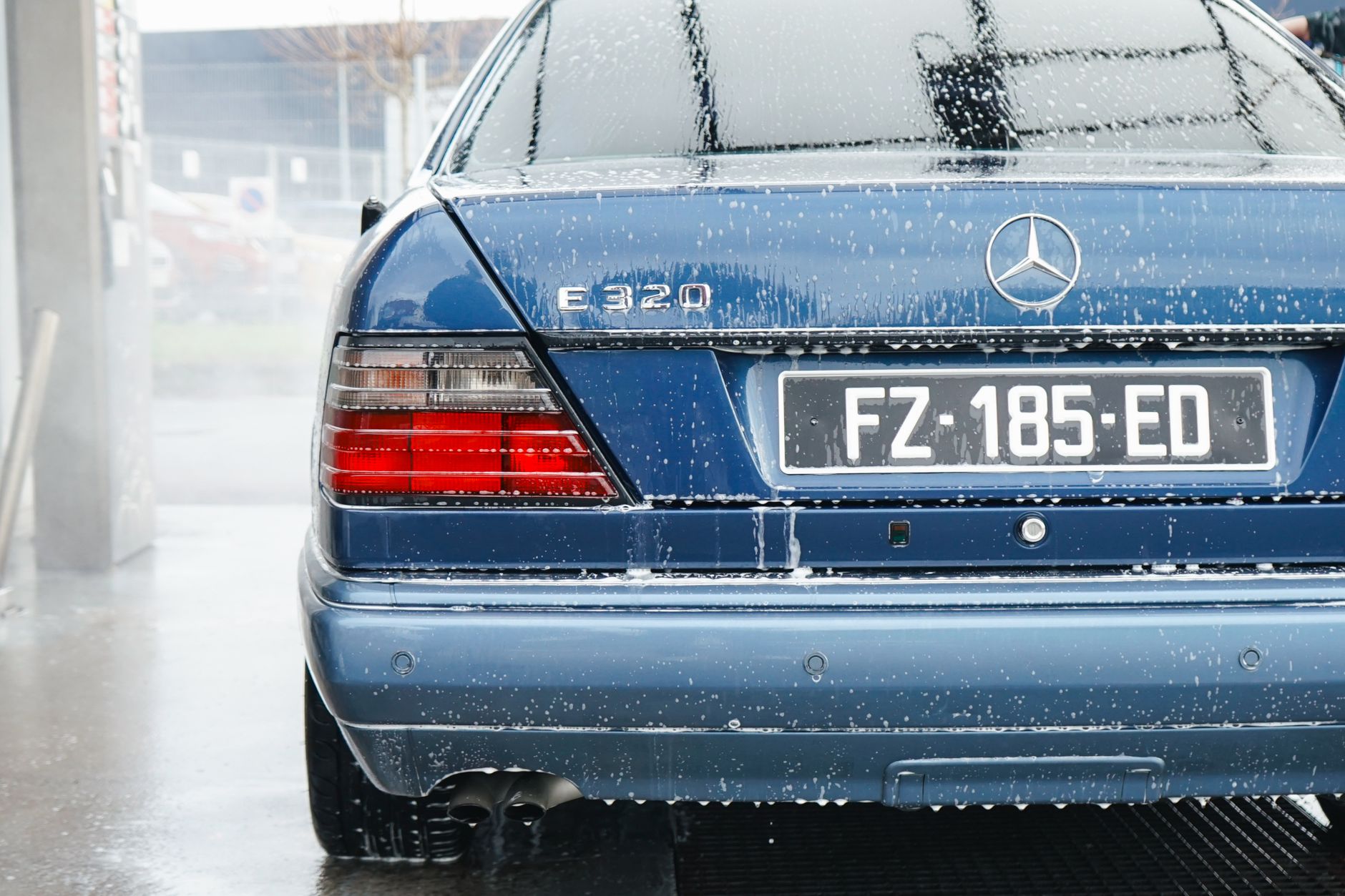
    Personalized and specialty plates can be transferred in Pennsylvania
    Personalised plates are worth the paperwork to keep.

    Personalized plates are the clearest case for transferring. Given what it takes to secure a specific combination, $11 to keep it is not a decision that needs thinking about.

    Plate work sits alongside registration renewals, duplicate cards and address changes in our PennDOT agent services. If your registration is also due, the renewal guide covers the inspection rules that can block it. PennDOT publishes instructions for the form in its MV-4ST fact sheet.

    Frequently asked questions

    Can I transfer my license plate to another car in Pennsylvania?

    Yes. Pennsylvania plates belong to the registrant, not the vehicle, so you may transfer a plate to another vehicle you own or lease. You may also transfer it to a vehicle owned or leased by your spouse, parent, or child.

    How much does it cost to transfer a plate in PA?

    The transfer of registration plate fee is $11.00 under PennDOT’s current schedule of fees. That compares with $48.00 for a new one-year passenger car registration, so transferring saves $37.

    Can I transfer a plate myself?

    No. Section F of Form MV-4ST must be completed by an authorized agent of PennDOT, and the form itself is only available from authorized agents. The transfer cannot be completed independently.

    Can I transfer a plate from a car to a truck?

    Only if the vehicle classification matches. A passenger car plate transfers to another passenger car, not to a commercial vehicle or a different registered weight class.

    What happens to my plate when I sell my car?

    It stays with you. Remove it before the buyer takes the vehicle, then transfer it to your next car, keep it for a future transfer, or turn it in. Leaving it on a sold vehicle creates a problem you do not want.

    Can I transfer a personalized plate?

    Yes. Personalized and most specialty plates transfer the same way as standard issue, which is usually worth doing given the time and cost involved in obtaining one.

    Buying a car and keeping your plate?

    We complete the plate transfer as part of the title work — one visit, one appointment, and you drive away registered. Hablamos Español.
    Call 610-625-1525Book an appointment

  • New to Pennsylvania? Titling and Registering Your Out-of-State Car

    New to Pennsylvania? Titling and Registering Your Out-of-State Car

    Moving to Pennsylvania comes with a deadline most people miss: you have 20 days from establishing residency to apply for a Pennsylvania title and registration on every vehicle you brought with you.

    The process has one step that exists nowhere else in Pennsylvania vehicle paperwork — a physical tracing of the VIN plate. Here is the whole sequence, in the order that works.

    The 20-day clock

    Residency is established when you move in with the intention of staying — taking a job, signing a lease, buying a home. It is not tied to when you change your mailing address or get a Pennsylvania driver’s licence.

    Settling into a new Pennsylvania neighbourhood
    The 20-day clock starts when you establish residency.

    Twenty days sounds generous until you account for arranging insurance, gathering documents that are somewhere in a moving box, and finding an appointment. Start in the first week.

    Step one: Pennsylvania insurance

    Your existing out-of-state policy does not satisfy Pennsylvania requirements, and plates cannot be issued without coverage that does. This has to happen before the titling appointment, not after.

    Pennsylvania requires 15/30/5 liability plus at least $5,000 in medical benefits, and it asks you to make a choice most states do not — full tort or limited tort. That single election materially affects your rights after an accident, and it is worth understanding before you sign rather than after. Our guide to Pennsylvania’s minimum insurance requirements covers the tort decision in detail.

    Switching to a Pennsylvania auto insurance policy after moving
    Out-of-state coverage does not satisfy PA requirements.

    Moving states is also one of the better moments to shop rates, since you are starting a new policy anyway. We compare coverage across several carriers rather than quoting a single company.

    Step two: the VIN tracing

    Pennsylvania requires a physical tracing of the vehicle identification number plate attached to the back of your title application. It is a pencil rubbing — tracing paper over the VIN plate, shaded with a pencil until the numbers show through.

    You can do this yourself. The VIN plate is usually visible through the windscreen on the driver’s side of the dashboard, which makes a clean tracing awkward but not impossible.

    Making a physical VIN plate tracing for a Pennsylvania title application
    A pencil rubbing of the VIN plate — genuinely low-tech.

    If you cannot get a legible tracing, a certified inspection mechanic or a notary employed by a licensed dealer can visually verify the VIN instead. Ask before you spend twenty minutes wrestling with tracing paper in a car park.

    Step three: gather the documents

    What to bring to your titling appointment
    Document Why it is needed Watch out for
    Out-of-state certificate of title Surrendered to PennDOT If a lender holds it, PennDOT requests it from them
    VIN tracing or verification Confirms the vehicle and VIN match Must be legible
    Proof of Pennsylvania insurance Required before plates are issued Out-of-state policies do not count
    Pennsylvania driver’s licence or ID Identity and residency A PA licence is itself a 20-day requirement
    Current odometer reading Recorded on the application Take it the morning of the appointment
    Lien information If the vehicle is financed Have the lender’s details to hand
    An out-of-state license plate on a vehicle newly arrived in Pennsylvania
    Out-of-state plates come off once PA registration is issued.

    What it costs

    Typical cost for a new resident titling one vehicle
    Item Amount Notes
    Certificate of title $72.00 Standard Pennsylvania title fee
    Registration, passenger car, one year $48.00 $96.00 for a two-year term
    Lien recording $36.00 Only if the vehicle is financed
    Safety inspection Varies by station $12.00 sticker fee plus labour
    Sales tax $0 Not charged on a vehicle you already own

    You do not pay Pennsylvania sales tax on a car you already owned. The 6% applies to purchases, not to bringing your own vehicle into the state. If you are buying a car after arriving, that is a different transaction — see our full cost breakdown.

    Leased vehicles are different

    If you lease, the leasing company owns the vehicle and holds the title, so you are not the one titling it. Contact the lessor before you move — most have a defined process for registering a leased car in a new state, and some restrict which states a vehicle may be moved to at all.

    You will still need Pennsylvania insurance meeting the lessor’s required limits, which are usually well above the state minimum.

    Step four: inspection

    Pennsylvania requires an annual safety inspection, and an emissions test in program counties. Both Lehigh and Northampton are program counties, so most Bethlehem-area vehicles need both.

    Pennsylvania safety and emissions inspection for a newly registered vehicle
    Lehigh and Northampton both require emissions testing.

    Get it done promptly after titling. An expired safety inspection blocks your next registration renewal outright — the system checks automatically, as covered in our registration renewal guide.

    If a lender holds your title

    Most financed vehicles have their title held by the lender, either on paper or electronically in the issuing state’s system. You cannot surrender a document you do not have.

    PennDOT handles this by requesting the title from the lienholder directly once your application is filed. It adds time, so start earlier than the 20 days would suggest, and tell your lender you are moving states — some process the request faster when they are expecting it.

    The lien itself carries over to the Pennsylvania title, and the $36 lien recording fee applies. Your loan terms do not change; only the state recording the security interest does.

    A realistic order of operations

    1. Week one: arrange Pennsylvania insurance and apply for your PA driver’s licence.
    2. Week one: locate the out-of-state title, or contact your lender if they hold it.
    3. Week two: make the VIN tracing, or arrange verification.
    4. Week two: title and register at a PennDOT agent — plates issued the same visit.
    5. Week three: safety and emissions inspection.
    6. Then: remove and dispose of the out-of-state plate per that state’s rules.
    Receiving new Pennsylvania registration and plates
    An agent can issue plates during the same visit.

    We handle new-resident titling regularly through our PennDOT agent services in Bethlehem — the out-of-state surrender, the tracing check, the title application, and plates in a single appointment. PennDOT publishes the official requirements on its motor vehicle information for new residents page.

    Frequently asked questions

    How long do new residents have to register a car in Pennsylvania?

    All new residents must apply for Pennsylvania title and registration within 20 days of establishing residency. The clock starts when you establish residency, not when you get around to unpacking.

    Do I have to surrender my out-of-state title?

    Yes. Pennsylvania title procedures require the out-of-state title to be surrendered to the Bureau of Motor Vehicles when you apply for a Pennsylvania title. If a lender holds it, PennDOT requests it from them directly.

    What is a VIN tracing and why do I need one?

    It is a physical impression of the vehicle identification number plate, attached to the back of your title application. It proves the vehicle physically exists and its VIN matches the paperwork. You can make one yourself with tracing paper and a pencil.

    Can someone else verify the VIN for me?

    Yes. If you cannot get a legible tracing from the plate, a certified inspection mechanic or a notary employed by a licensed dealer can visually verify the VIN instead.

    Do I need a Pennsylvania inspection right away?

    Your vehicle needs to pass a Pennsylvania safety inspection, and an emissions test in program counties including Lehigh and Northampton. Arrange it promptly after titling — an expired inspection blocks future registration renewals.

    Can I keep my out-of-state insurance?

    No. Pennsylvania requires coverage that meets its own minimums — 15/30/5 liability plus $5,000 in medical benefits — from an insurer licensed to write in Pennsylvania. Sort this before your titling appointment, because plates cannot be issued without it.

    Just moved to the Lehigh Valley?

    Bring your out-of-state title and PA insurance and we will handle the tracing check, the title application, and your new plates in one visit. Hablamos Español.

    Call 610-625-1525Book an appointment

  • How to Get a Duplicate Car Title in Pennsylvania

    How to Get a Duplicate Car Title in Pennsylvania

    A missing title is one of the few problems that stops a vehicle transaction completely. You cannot sell, gift, or trade a car in Pennsylvania without the original certificate of title in hand — and no amount of goodwill between buyer and seller works around it.

    The replacement process is straightforward. The timing is what catches people out.

    When you need a duplicate

    Reasons to apply for a Pennsylvania duplicate title
    Situation Duplicate needed? Notes
    Title lost or misplaced Yes The most common reason by far
    Title destroyed, torn or water damaged Yes A damaged title is treated as no title
    Signed in the wrong section Yes The title is void — it cannot be corrected
    Crossed out or used correction fluid Yes Any alteration voids the document
    Loan paid off, lien still shown Yes Use section D to have the lien removed
    Never received it after a purchase Yes Confirm the transfer was actually processed
    Name change after marriage or divorce Sometimes Depends on how the record needs updating
    A damaged Pennsylvania vehicle title requiring replacement
    Damage counts the same as loss — the title must be replaced.

    Pennsylvania titles cannot be repaired. There is no procedure for correcting a mistake in place, and attempting one makes matters worse. If the document has been altered in any way, the only path is a duplicate — which is why signing only in front of the notary matters so much.

    What Form MV-38O requires

    The application is the Application for a Duplicate Certificate of Title by Owner, Form MV-38O. You will need:

    • The title number, if you have it
    • The vehicle identification number
    • Your driver’s licence number or photo identification number
    • Lien information, if any lienholder is recorded
    • The $72 fee

    If you do not have the title number, the VIN is enough for PennDOT to locate the record. Your registration card carries both.

    Completing Form MV-38O for a duplicate Pennsylvania certificate of title
    One form, one fee, one common delay.

    The ten-day rule

    This is the single most common cause of a rejected application, and almost nobody knows about it in advance.

    PennDOT will not issue a duplicate title until at least ten days have passed since the title was last processed, or since an electronic lien release was recorded. Apply inside that window and the application comes back.

    It bites hardest in exactly the situation where people are most impatient: you have just paid off a car loan, the lender releases the lien electronically, and you want a clean title so you can sell. Ten days have to pass first.

    The ten-day waiting period before a Pennsylvania duplicate title can be issued
    PennDOT will not process a duplicate inside ten days.

    Clearing a paid-off lien

    A satisfied loan does not remove itself from the title record. Until it is cleared, the title still shows a lienholder, and a title showing an unsatisfied lien cannot be transferred to a buyer.

    Complete section D of Form MV-38O to have a new title issued reflecting that the lien has been removed. Confirm with your lender that the release has actually been transmitted, then wait out the ten days.

    A lien release letter from a lender in Pennsylvania
    A satisfied loan does not clear itself from the title.

    What a duplicate does and does not change

    A duplicate is a full replacement, not a copy. Once PennDOT issues it, the previous title is void — which matters if the original later turns up in a drawer.

    That is also the safety mechanism. If a title goes missing because someone else has it, the duplicate cancels whatever they are holding, so it cannot be used to transfer the vehicle behind your back.

    What a duplicate does not do is change anything recorded on the title. The owner stays the same, any unsatisfied lien carries across, and a branded title — salvage, flood, reconstructed — keeps its brand. If the record itself is wrong, that is a correction, which is a different application.

    How long it takes, and how to shorten it

    Duplicate title processing routes compared
    Route Typical turnaround Cost Best for
    Mail to PennDOT Four to six weeks $72 state fee No deadline pressure
    Authorized PennDOT agent Often same visit $72 plus agent service fee A pending sale or transfer

    Four to six weeks is a long time when a buyer is waiting. Authorized agents are connected to PennDOT’s system directly, which is why most people with a transaction in motion use one rather than the post.

    An authorized PennDOT agent processing a duplicate title in Pennsylvania
    An agent can compress weeks into a single visit.

    We process duplicate titles as part of our PennDOT agent services in Bethlehem, alongside registration renewals, plate transfers, and duplicate registration cards.

    If you are mid-sale when the title goes missing

    Stop the transaction and fix the title first. Specifically:

    1. Do not accept payment. Taking money for a vehicle you cannot legally transfer creates a problem for both parties.
    2. Do not hand over the vehicle. Ownership does not move until the title does.
    3. Apply for the duplicate immediately, and tell the buyer honestly how long it will take.
    4. Write down the agreed terms so the deal survives the wait.

    Sellers sometimes suggest handing over the car with a signed bill of sale and posting the title on later. Do not agree to it. Until the notarised title is assigned to you, the vehicle is still legally theirs — and if the duplicate never arrives, you own a car you cannot register, insure properly, or resell.

    Buyers should treat a missing title as a hard stop. If you are on the buying side, our private-sale checklist covers the other checks worth making before money changes hands.

    A vehicle sale stalled by a missing Pennsylvania title
    No title, no sale — the transfer cannot legally proceed.

    Once the duplicate arrives, the transfer proceeds exactly as normal — see our step-by-step guide to transferring a Pennsylvania car title. Official forms and current procedures are published on PennDOT’s duplicate title service page.

    Frequently asked questions

    How much does a duplicate title cost in PA?

    A duplicate certificate of title costs $72.00 — the same as an original title — under PennDOT’s current schedule of fees, Form MV-70S.

    How long does a duplicate title take in Pennsylvania?

    Applications mailed to PennDOT generally take four to six weeks. Processing through an authorized agent is considerably faster, and in many cases can be completed during a single visit.

    Why was my duplicate title application rejected?

    The most common reason is the ten-day rule. PennDOT will not issue a duplicate until at least ten days have passed since the title was last processed or since an electronic lien was released. Applying too soon means starting over.

    Can I get a duplicate title if the car is not in my name?

    No. Form MV-38O is an application by the owner, so the person applying must be the recorded owner on PennDOT’s records. If you bought a car and never transferred the title, you are not the owner and cannot apply.

    I signed my title in the wrong place. Do I need a duplicate?

    Almost certainly yes. Pennsylvania titles cannot be corrected — no cross-outs, no correction fluid, no signing over a mistake. An error in the assignment section voids the title, and a duplicate is the only route forward.

    My loan is paid off but the title still shows a lien. What now?

    Complete section D of Form MV-38O to have a new title issued showing the lien removed. Wait at least ten days after the lender releases the lien electronically before applying, or the application will be rejected.

    Need a replacement title quickly?

    As an authorized PennDOT agent in Bethlehem we can process duplicate titles far faster than mailing the application. Bring your VIN and photo ID. Hablamos Español.
    Call 610-625-1525Book an appointment

  • Gifting a Car in Pennsylvania: How the Tax Exemption Really Works

    Gifting a Car in Pennsylvania: How the Tax Exemption Really Works

    Search for how to gift a car in Pennsylvania and you will be told, repeatedly, that the sales tax exemption only applies between immediate family — spouses, parents and children, siblings, grandparents and grandchildren.

    That is not what the Commonwealth’s own form says. The distinction matters, because believing the family-only version can cost someone $720 in tax they never owed.

    What the affidavit actually says

    The exemption is claimed on Form MV-13ST, the Affidavit of Gift. Its definitions section is short and unambiguous:

    “GIFT: A vehicle transferred without consideration or compensation.” The form adds a note directly beneath it — this exemption may not be used if the “gift” is being given in exchange for goods, services, or monetary value.

    There is no relationship requirement anywhere in that definition. The form does ask “Is the transferee related to the transferor?” with a yes or no box, and then asks you to identify the parties and their relationship — but the examples it prints include friend/friend alongside father/son and uncle/nephew.

    Completing Pennsylvania Form MV-13ST, the Affidavit of Gift
    One form carries the whole exemption.

    In other words, Pennsylvania wants to know the relationship for its own records. It does not condition the exemption on there being one.

    The real test

    The question is not who you are to each other. It is whether anything of value moved in either direction.

    Both parties sign a declaration under penalty of perjury. The transferor swears they received nothing of value; the transferee swears they gave nothing of value. Both declarations spell out what counts.

    What counts as consideration under Form MV-13ST
    Given or received Is it consideration? Gift exemption available?
    Nothing at all No Yes
    Money, any amount Yes No
    Property or another vehicle Yes No
    Services — labour, work performed Yes No
    Forgiveness or waiver of a debt Yes No
    Assuming an obligation or encumbrance Yes No
    A parent gifting a vehicle to an adult child in Pennsylvania
    Family is common, but it is not the legal test.

    That list is why the classic “I’ll sell it to you for a dollar” arrangement fails. A dollar is money, money is consideration, and the transaction is a sale — just one at a price low enough to attract attention. PennDOT compares reported sale prices against standard vehicle value guides and can assess tax on book value instead.

    If it is genuinely a gift, gift it. If money is changing hands, treat it as a sale and pay the 6% — our breakdown of Pennsylvania title transfer costs covers what that actually comes to.

    Friends completing a vehicle gift transfer in Pennsylvania
    The affidavit itself lists friend-to-friend as an example.

    What a gift transfer still costs

    The exemption removes the sales tax. It does not make the transfer free.

    Gift transfer versus a $12,000 sale
    Line item Gifted vehicle Sold for $12,000
    6% sales tax $0 — exempt $720
    Certificate of title $72 $72
    Registration, one year $48 $48
    Plate transfer, if applicable $11 $11
    Total $120–$131 $840–$851
    Calculating the sales tax saved by a Pennsylvania vehicle gift exemption
    On a $12,000 car the exemption is worth $720.

    What you both need to bring

    • The original certificate of title, unsigned. Signing before the notary voids it.
    • Photo identification for both parties. The notary must verify identity before witnessing anything.
    • Driver’s licence or photo ID numbers for the affidavit — businesses use their EIN instead.
    • Proof of Pennsylvania insurance in the recipient’s name, before plates can be issued.
    • A lien release, if the title shows a lienholder.
    • The current odometer reading.

    Both parties sign the affidavit, and both signatures on the title must be notarised — the same requirement that applies to any Pennsylvania transfer, explained in our guide to the notary rule. If either party cannot attend, a limited power of attorney is the accepted workaround.

    Signing a sworn affidavit under penalty of perjury in Pennsylvania
    Both parties swear, and both carry the risk.

    The penalty for getting it wrong

    This is not a form to treat casually. The affidavit states plainly that a false declaration can result in revocation of driving privileges for a period of one year — and that applies to whichever party made the false statement.

    Layered on top is the perjury exposure both people accept when they sign. Against a saving of a few hundred dollars, dressing a sale up as a gift is a poor trade.

    A notary witnessing a gifted vehicle title transfer in Bethlehem
    The gift affidavit and the title are notarised together.

    Where people go wrong

    Three patterns account for most of the trouble we see with gift transfers.

    The first is the dollar sale, covered above — well intentioned, and still a sale. The second is treating a gift as a way to settle something: handing over a car instead of repaying a loan, or in return for months of help with a house renovation. Both are consideration, and both disqualify the transfer.

    The third is subtler. A parent gifts a car to a child who has been making the payments on it. If the child has been paying the parent, value has moved, and the transfer is a sale for the total of those payments. If the child was paying a lender directly on a loan in the parent’s name, the position is more complicated and worth asking about before you fill anything in.

    None of this means gifts are hard to do. It means the paperwork should reflect what actually happened, and it is far cheaper to establish that beforehand than to unwind it later.

    When gifting is genuinely the right move

    Plenty of legitimate situations fit the definition cleanly:

    • A parent handing an older car down to a child who has just started driving
    • An adult child taking over a vehicle from a parent who has stopped driving
    • Passing a car to a sibling, grandchild, or a friend who needs it, expecting nothing back
    • Moving a vehicle between spouses
    • Donating a working vehicle to someone in genuine need

    What they share is not a family tree. It is that nothing came back the other way.

    We handle gift transfers as a matter of routine through our Bethlehem title transfer service — affidavit, notarisation, title, and plates in one appointment. The form itself, with full instructions, is published by PennDOT as Form MV-13ST.

    Frequently asked questions

    Do you have to be related to gift a car in Pennsylvania?

    No. Form MV-13ST defines a gift as a vehicle transferred without consideration or compensation, and the form’s own examples include friend to friend. The affidavit asks whether the parties are related, but a relationship is disclosed rather than required.

    What is Form MV-13ST?

    It is the Affidavit of Gift, submitted alongside Form MV-1, MV-4ST, or an Applicant Summary Statement when claiming the gift exemption — Exemption 13 — from Pennsylvania sales and use tax. Both the transferor and the transferee sign it.

    Does a gifted car still cost anything?

    Yes. The exemption removes the 6% sales tax only. You still pay the $72 certificate of title fee, and registration if the recipient needs plates — $48 for one year on a passenger car.

    What if I sell the car to a family member for $1?

    That is not a gift, because a dollar is consideration. It is a sale at a suspiciously low price, which invites PennDOT to assess tax on the vehicle’s book value instead. If it is genuinely a gift, transfer it as a gift with nothing changing hands.

    What is the penalty for a false gift affidavit?

    The form states that a false affidavit can result in revocation of your driving privileges for a period of one year, on top of the perjury exposure both parties accept when they sign.

    Can I gift a car that still has a loan on it?

    Not until the lien is satisfied and released. The lienholder is recorded on the title, and no transfer — gift or sale — can complete while an unsatisfied lien is on record.

    Passing a car to someone in the Lehigh Valley?

    We will confirm whether your transfer qualifies as a gift, complete the affidavit, notarise the title, and issue plates — in one visit. Hablamos Español.

    Call 610-625-1525Book an appointment

  • Buying a Car From a Private Seller in PA: The Complete Checklist

    Buying a Car From a Private Seller in PA: The Complete Checklist

    A private sale is usually the cheapest way to buy a used car in Pennsylvania. It is also the one where every piece of the paperwork risk lands on you — there is no dealer standing behind the transaction, and no finance office catching mistakes.

    The good news is that the risky parts are predictable. Work through them in this order and a private purchase is straightforward.

    Before you go and look

    Two checks take five minutes and eliminate most bad listings before you waste a Saturday.

    Ask the seller for the vehicle identification number up front. A seller who will not share the VIN is telling you something. With it, you can run a free recall lookup and buy a history report before committing to anything.

    Searching private car listings in Pennsylvania
    The listing is the least reliable document in the transaction.

    Ask directly whether they hold the title, whether it is in their name, and whether there is a lien on it. Those three answers determine whether a sale is even possible.

    The most common private-sale problem in Pennsylvania is a title that is not in the seller’s name. If the person selling the car is not the person printed on the title, they cannot legally transfer it to you — no matter how the car got into their possession.

    What to check in person

    Private sale inspection checklist
    Check What you are looking for Deal-breaker?
    VIN on dash matches the title Identical, digit for digit Yes — walk away
    Name on title matches seller’s ID Exact match Yes — walk away
    Lien section of the title Blank, or a lien release in hand Yes, without a release
    Title is unaltered No cross-outs, no correction fluid Yes — the title is void
    Odometer reading Matches the title and the listing Investigate before proceeding
    Current inspection sticker Unexpired No, but budget for it
    Open safety recalls None outstanding No, but get them fixed free
    Checking the vehicle identification number on a car dashboard
    The VIN on the dash must match the VIN on the title.

    Free recall lookups by VIN are available from the National Highway Traffic Safety Administration. Outstanding recall work is repaired at no cost by a franchised dealer, so a recall is leverage rather than a reason to walk.

    Get a pre-purchase inspection

    For anything over a couple of thousand dollars, pay an independent shop to look at the car before you buy. Expect to spend around $100 to $150.

    A seller who refuses a pre-purchase inspection has effectively answered every question you were going to ask. That refusal is the single most useful signal in a private sale.

    A pre-purchase inspection at a Pennsylvania repair shop
    A hundred dollars here can save several thousand later.

    Agreeing the price and the tax that follows it

    The price you write down is the price Pennsylvania taxes at 6%. It is worth understanding what that means in practice before you negotiate.

    What a private sale costs beyond the sale price
    Purchase price 6% sales tax Title fee Registration (1 yr) State total
    $3,000 $180 $72 $48 $300
    $8,000 $480 $72 $48 $600
    $15,000 $900 $72 $48 $1,020
    $25,000 $1,500 $72 $48 $1,620

    Do not let a seller talk you into understating the price. It is tax fraud, PennDOT compares reported figures against standard vehicle value guides, and the person who signs the application is you. A full breakdown is in our guide to Pennsylvania title transfer costs.

    Paying a private seller for a used car in Pennsylvania
    Never pay in full before the title is verified.

    Line up insurance before the appointment

    Pennsylvania will not issue plates or registration without active coverage on the vehicle. This catches out buyers who plan to sort insurance later in the week.

    Call your agent with the VIN once you have agreed the purchase, and have an insurance card or binder ready to bring. If you are shopping rates rather than adding to an existing policy, do it before the sale rather than under time pressure — we can compare quotes across several carriers, and our guide to Pennsylvania’s minimum coverage requirements explains what you actually need to carry.

    Arranging Pennsylvania insurance before driving a newly purchased car
    Coverage has to be active before plates are issued.

    The transfer itself

    Pennsylvania requires the signatures on a vehicle title to be notarized. There is no private-sale exception, which means you and the seller both need to appear before a notary — though not necessarily at the same time.

    1. Meet at a notary who is also a PennDOT agent. One stop instead of two.
    2. Bring identification, the title, insurance, and the agreed price.
    3. Let the notary direct the signing. Nothing gets signed in advance — a pre-signed title is void.
    4. Pay the tax and fees. Collected at the time of transfer.
    5. Collect plates and registration. At an authorized agent, usually the same day.
    6. Watch the seller remove their plate. In Pennsylvania the plate belongs to the person, not the car.
    Completing a private car sale title transfer at a Pennsylvania notary
    Both signatures, witnessed, in one appointment.

    Our title transfer service in Bethlehem handles all of that in one appointment. For the mechanics of the signing itself, see our step-by-step title transfer guide, and for why the notary is unavoidable here, Pennsylvania’s notary requirement explained.

    Warning signs worth walking away from

    • The seller wants to meet somewhere other than their home. Occasionally innocent, often not.
    • The title is signed but the buyer section is blank. This is title jumping — the seller never registered the car in their own name.
    • Pressure to pay before the notary appointment. There is no legitimate reason for it.
    • The price is well below market with a story attached. Divorce, moving abroad, deployment — the story is doing the work the paperwork should be doing.
    • They will not accept a bill of sale. A seller with nothing to hide has no reason to object.

    Frequently asked questions

    Is a bill of sale required in Pennsylvania?

    Pennsylvania does not require a separate bill of sale for a standard private vehicle sale, because the notarized title records the transfer. It is still worth writing one — it documents the agreed price, the odometer reading, and that the vehicle was sold as-is.

    Can I drive the car home before the title is transferred?

    Not legally on the seller’s plate, which stays with the seller. You need your own registration and plate, or a valid transfer of a plate you already hold. The cleanest approach is to complete the transfer and receive plates before driving away.

    What if the seller cannot find the title?

    Do not pay until they produce it. The seller must apply for a duplicate title, which costs $72 and can take four to six weeks by mail. No title means no legal transfer of ownership.

    How do I know if the car has a lien on it?

    The lien is recorded on the face of the title. If a lienholder is listed, the seller must provide a lien release from that lender before the title can transfer. A title showing an unsatisfied lien cannot be transferred to you.

    Do I pay sales tax on a private sale?

    Yes. Pennsylvania charges 6% sales tax on private party sales based on the purchase price, the same as a dealer sale. In Lehigh and Northampton counties the rate is 6%; Allegheny is 7% and Philadelphia is 8%.

    Does the car need to pass inspection before I can register it?

    You can title and register the vehicle first, but Pennsylvania requires a current safety inspection to keep it registered, and Lehigh and Northampton counties also require an emissions test. Factor the inspection into your budget before you buy.

    Buying privately in the Lehigh Valley?

    Bring the seller and the title to us — notarization, sales tax, title transfer, plates and registration handled in one visit. Hablamos Español.

    Call 610-625-1525Book an appointment

  • PA Vehicle Registration Renewal: Costs, Deadlines and Your Options

    PA Vehicle Registration Renewal: Costs, Deadlines and Your Options

    Pennsylvania registration renewal has changed more than most drivers realize. The stickers are gone, PennDOT closed its walk-in vehicle counters, and the card no longer arrives in the mail if you renew online.

    Here is how the process works in 2026, what it costs, and the two things that will stop a renewal cold.

    When to renew

    Pennsylvania registrations expire at the end of the month shown on your registration card. PennDOT sends a renewal notice by mail or email roughly three months in advance, but the notice is a courtesy — not receiving one does not extend your deadline.

    A Pennsylvania vehicle registration card kept in the car
    PennDOT no longer mails a card for registrations renewed online.

    You can renew before the expiration date without losing time; the new term begins when the old one ends. There is no grace period after expiration, so renewing early is always the safer choice.

    There is nothing to stick on your plate. Pennsylvania stopped issuing registration stickers at the end of 2016. Enforcement is electronic, which means an officer can see your registration status from the plate alone.

    What you need before you start

    • Your license plate number and title number
    • Current Pennsylvania insurance information
    • Your vehicle’s odometer reading
    • A valid payment card
    • A current safety inspection — and, in most of the Lehigh Valley, a current emissions test

    Three ways to renew

    Pennsylvania registration renewal methods compared
    Method How long it takes Get proof immediately? Best for
    Online through PennDOT Under 10 minutes Yes — print it yourself Straightforward renewals with everything current
    Authorized agent or tag service Same visit Yes — printed on the spot Anyone without a printer, or with a complication
    By mail Several weeks No Drivers without internet access
    Renewing a Pennsylvania vehicle registration online
    Online renewal takes minutes when inspection and insurance are current.

    The online route is genuinely fast when nothing is wrong. The moment something is out of the ordinary — a lapsed inspection, an address change, a lost card, a plate that needs moving to a different vehicle — an agent is usually quicker than working out which form applies. That is the bulk of what we handle through our PennDOT agent services in Bethlehem.

    Inspection and emissions: the prerequisite most people forget

    Pennsylvania will not renew a registration when the safety inspection has expired, and the system checks automatically. This is the single most common reason an online renewal fails partway through.

    Inspection requirements in Pennsylvania
    Requirement How often Applies in Lehigh & Northampton counties?
    Safety inspection Annually Yes — statewide requirement
    Emissions inspection Annually Yes — both counties are in a program area
    Inspection sticker fee Per inspection $12.00, charged by the station

    Both Lehigh and Northampton counties sit inside an emissions program area, so most vehicles from model year 1975 onward with a gross weight of 9,000 pounds or less need an emissions test alongside the annual safety inspection. Vehicles registered in non-program counties skip the emissions portion.

    A vehicle undergoing emissions inspection in Pennsylvania
    Lehigh and Northampton counties both require emissions testing.

    What renewal costs in 2026

    Pennsylvania registration renewal fees
    Vehicle type One year Two years
    Passenger car $48.00 $96.00
    Motorcycle $25.00 $50.00
    Motor-driven cycle $11.00 $22.00
    Ambulance or hearse $104.00 $208.00
    School bus or school vehicle $45.00 $90.00

    Two additional charges catch people out. Electric and plug-in hybrid drivers now pay an annual road user charge, and duplicate registration cards carry a small fee unless obtained online.

    Additional charges at renewal
    Charge Amount Notes
    Electric vehicle road user charge $250.00 per year $500.00 for a two-year registration term
    Plug-in hybrid road user charge $63.00 per year $126.00 for a two-year registration term
    Duplicate registration card, online No fee Obtained free at the time of online renewal
    Duplicate registration card, at an agent $2.00 At the time of renewal or transfer
    Duplicate registration card, any other time $7.00 Ordered as a standalone transaction
    Transfer of registration plate $11.00 Moving your plate to a different vehicle
    Paying Pennsylvania vehicle registration renewal fees
    A two-year term costs exactly double a one-year term.

    Driving on expired tags

    An expired registration is a summary offense in Pennsylvania. Beyond the fine, there are two consequences drivers tend not to think about.

    The first is that an unregistered vehicle can be towed in certain circumstances, which turns a modest fine into an expensive afternoon of impound and storage charges. The second is subtler: if you are in an accident while unregistered, it complicates the claim and hands the other party’s insurer an argument to use against you.

    Neither consequence is worth the few minutes renewal actually takes, and both are entirely avoidable by renewing before the month on your card runs out.

    A traffic stop for expired registration in Pennsylvania
    Expired tags are a citable offense and can affect an insurance claim.

    Insurance and registration are tied together in Pennsylvania — a coverage lapse can trigger a registration suspension on its own. If your rate is the reason coverage lapsed, it is worth having someone compare auto insurance quotes across multiple carriers rather than going uninsured. Our guide to Pennsylvania’s minimum car insurance requirements explains what you are legally obliged to carry.

    Situations that need more than a standard renewal

    You moved

    Pennsylvania requires you to report an address change within 15 days. Update it before renewing so the record matches, otherwise your renewal notice and any correspondence go to the old address and you may never see them.

    You bought a different vehicle

    Your plate belongs to you, not the car. Transferring it to a newly purchased vehicle costs $11.00 — considerably less than a new registration. This is normally done as part of the title work; see our step-by-step guide to transferring a car title in Pennsylvania.

    You drive an electric vehicle

    The road user charge is now part of your renewal, and at $250 annually it is worth budgeting for well before the notice arrives.

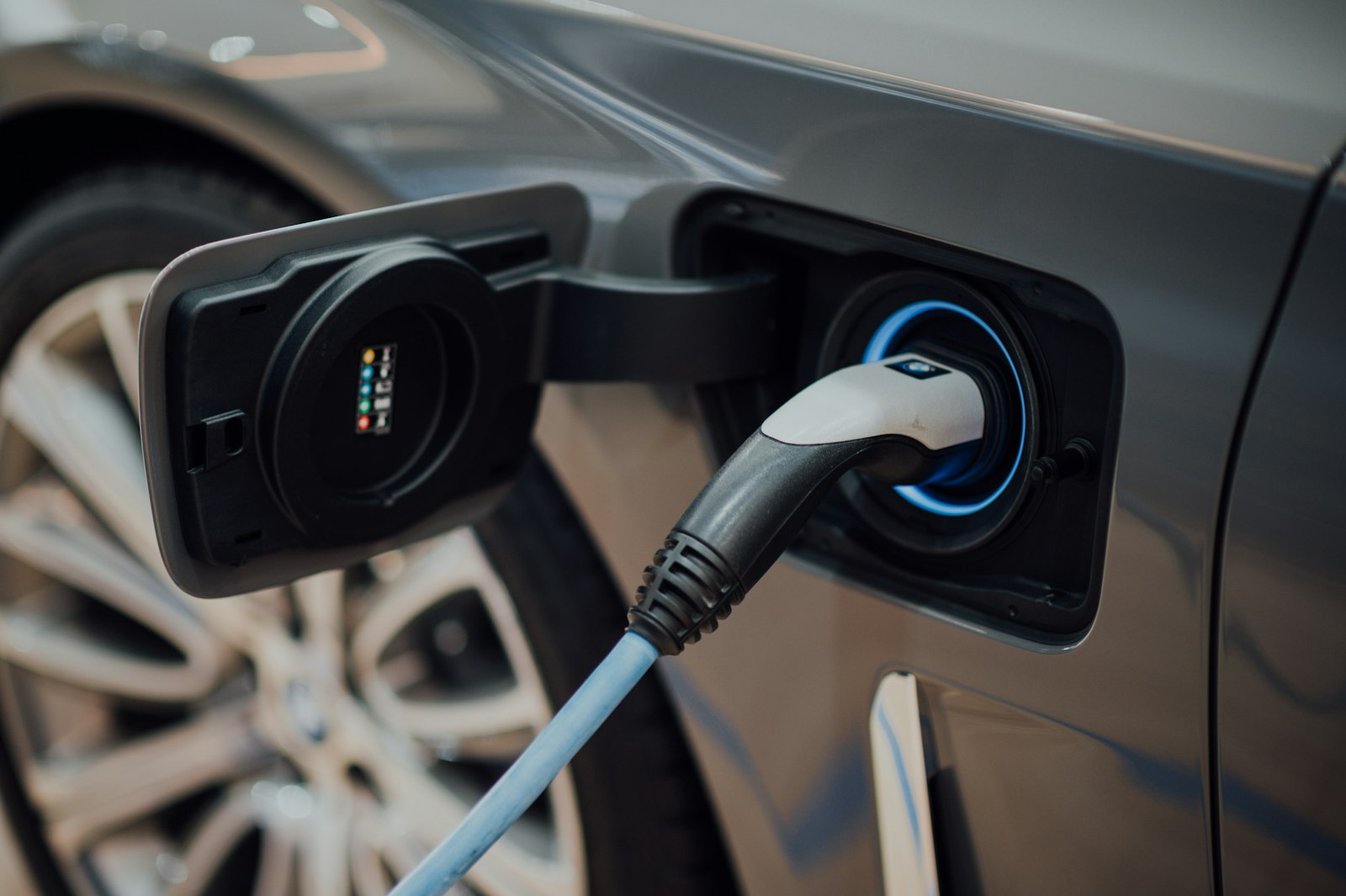
    An electric vehicle charging in Pennsylvania, subject to the annual road user charge
    EV owners now pay an annual road user charge at renewal.

    PennDOT publishes the current renewal procedure and online portal on its registration renewal page.

    Frequently asked questions

    How much does it cost to renew a car registration in PA?

    A standard passenger car registration is $48.00 for one year or $96.00 for two years under PennDOT’s current fee schedule. Motorcycles are $25.00 for one year or $50.00 for two. Electric and plug-in hybrid vehicles pay an additional annual road user charge.

    Does PennDOT still mail registration stickers?

    No. Pennsylvania eliminated registration stickers for license plates at the end of 2016. Your registration is verified electronically, so there is nothing to affix to your plate. You should still keep the registration card with the vehicle.

    Do I need an inspection before renewing my registration?

    Your safety inspection must be current. Pennsylvania will not let you complete a renewal if the safety inspection has expired, and PennDOT verifies inspection status electronically during online renewal.

    Do Lehigh and Northampton counties require emissions testing?

    Yes. Both counties are in an emissions program area, so most model year 1975 and newer vehicles with a gross weight of 9,000 pounds or under require an annual emissions test in addition to the safety inspection.

    Can I renew my registration if my insurance lapsed?

    No. Active Pennsylvania insurance is required to keep a vehicle registered, and a lapse can lead to registration suspension. Restore coverage before attempting to renew, and be aware that a lapse can also affect your future premiums.

    What happens if I drive with an expired registration in PA?

    It is a summary offense that carries a fine and can result in the vehicle being towed in some circumstances. An expired registration can also complicate an insurance claim if you are involved in an accident.

    Renewal blocked or running late?

    We process registration renewals, duplicate cards, plate transfers, and address changes as an authorized PennDOT agent in Bethlehem — no lines, no forms to work out. Hablamos Español.
    Call 610-625-1525Book an appointment

  • How Much Does a Car Title Transfer Cost in PA? Full 2026 Breakdown

    How Much Does a Car Title Transfer Cost in PA? Full 2026 Breakdown

    If you search for Pennsylvania title transfer costs, you will find a lot of pages quoting a $53 title fee. That number is out of date. The current certificate of title fee is $72.00, and it is only one line on a bill that usually runs into the hundreds once sales tax is added.

    Below is the full picture, with every figure taken from PennDOT’s current published schedule of fees rather than a secondhand summary.

    The short answer

    For a typical private used car sale in the Lehigh Valley, expect the state portion to look like this.

    Pennsylvania state fees for a standard title transfer, 2026
    Fee Amount When it applies
    Certificate of title $72.00 Every transfer of ownership
    Sales tax 6% of purchase price Every sale unless the transfer is a bona fide gift
    Registration — passenger car, one year $48.00 If the buyer needs a new registration
    Registration — passenger car, two years $96.00 Optional two-year term
    Transfer of registration plate $11.00 Moving an existing plate to the new vehicle
    Recording a lien $36.00 per lien Only if the purchase is financed
    PennDOT fee schedule showing Pennsylvania title transfer costs
    Every state fee comes from PennDOT’s published schedule, Form MV-70S.

    Where these numbers come from. All state fees above are listed on PennDOT Form MV-70S, the Bureau of Motor Vehicles Schedule of Fees, in its current revision. Third-party fee calculators are frequently a revision or two behind.

    Sales tax is the number that actually matters

    The $72 title fee is fixed. The 6% sales tax is not, and on most vehicles it dwarfs everything else on the invoice.

    Vehicle sales tax rates by Pennsylvania county
    Where the vehicle is registered Rate Tax on a $12,000 car
    Most of Pennsylvania, including Lehigh and Northampton counties 6% $720
    Allegheny County 7% $840
    Philadelphia 8% $960

    The rate follows where the vehicle is registered, not where the sale happened. A Bethlehem buyer purchasing a car in Philadelphia pays 6%, not 8%.

    Paying Pennsylvania vehicle sales tax at a title transfer appointment
    Sales tax is collected when the transfer is processed, not later.

    Three worked examples

    Numbers in the abstract are hard to plan around, so here are three realistic scenarios with a new one-year registration and a newly issued plate.

    What three common Pennsylvania transfers actually cost
    Line item $4,000 used car $12,000 used car $28,000 financed car
    Certificate of title $72.00 $72.00 $72.00
    6% sales tax $240.00 $720.00 $1,680.00
    Registration, one year $48.00 $48.00 $48.00
    Lien recording $36.00
    State total $360.00 $840.00 $1,836.00

    Add the agent’s service fee and notary fee on top of those totals. Neither is set by the state, though notary charges are capped — more on that below.

    Used cars for sale in Pennsylvania where sales tax is based on purchase price
    The recorded purchase price drives the largest single cost.

    The fees people forget to budget for

    These do not apply to everyone, but they surprise people when they do.

    Additional Pennsylvania vehicle fees
    Item Fee Notes
    Duplicate certificate of title $72.00 Needed if the title is lost, damaged, or voided by a signing error
    Transfer of registration plate $11.00 Cheaper than a new registration if you already hold a plate
    Duplicate registration card, at transfer $2.00 Free if obtained online at renewal
    Duplicate registration card, any other time $7.00 Ordered separately from a transaction
    Annual safety inspection sticker $12.00 Charged by the inspection station, not PennDOT
    Electric vehicle road user charge, one year $250.00 New annual charge for EVs registered in 2026
    Plug-in hybrid road user charge, one year $63.00 Applies to qualifying plug-in hybrids

    Electric vehicle owners, take note. Pennsylvania’s road user charge replaced the old alternative fuels tax reporting for most drivers. At $250 a year for a fully electric vehicle, it is now one of the larger recurring line items on an EV registration.

    Transferring an existing Pennsylvania license plate to a newly purchased vehicle
    Moving your existing plate costs far less than issuing a new one.

    What the agent and the notary charge

    PennDOT no longer operates walk-in vehicle counters, so nearly every Pennsylvania title transfer now runs through an authorized agent. Agents set their own processing fee, typically between $20 and $40.

    Notary fees are a different matter — those are capped by the Pennsylvania Department of State, and no notary may legally charge more.

    Maximum Pennsylvania notary fees per act
    Notarial act Maximum fee
    Taking an acknowledgment — first individual $5.00
    Taking an acknowledgment — each additional name $2.00
    Administering an oath or affirmation $5.00
    Witnessing or attesting a signature $5.00
    Certifying or attesting a copy $5.00
    Electronic or remote notarization surcharge Up to $20.00 per act

    A notary may also charge reasonable clerical costs such as copying or postage, but those must be disclosed before the notarization takes place. Every state fee quoted above appears on PennDOT Form MV-70S, the current Schedule of Fees.

    Pennsylvania notary stamp used for a vehicle title transfer
    Notary fees are capped by the Department of State.

    Because we are both a notary and a PennDOT agent, our Bethlehem title transfer service handles the notarization and the state paperwork in one appointment rather than sending you to two places. If you have not walked through the process yet, start with our step-by-step guide to transferring a car title in Pennsylvania.

    Legitimate ways to pay less

    • Transfer your existing plate. At $11.00 instead of a fresh $48.00 registration, moving a plate you already hold is the easiest saving available.
    • Claim the gift exemption if it genuinely applies. On a $12,000 vehicle that is $720 saved, and it is not restricted to family — but nothing of value can have changed hands. See how the gift exemption really works.
    • Choose the two-year registration. It does not reduce the annual cost, but it locks in the current rate and saves you a renewal trip.
    • Get the paperwork right the first time. A voided title costs $72 for the duplicate plus weeks of waiting.
    • Line up insurance before you buy. Plates cannot be issued without coverage, and rushing into a policy rarely gets you the best rate. We can shop auto insurance rates across multiple carriers before you commit.
    Ways to reduce the cost of a Pennsylvania title transfer and registration
    A two-year registration locks in the current rate.

    Frequently asked questions

    How much is the title transfer fee in PA in 2026?

    The Pennsylvania certificate of title fee is $72.00 according to PennDOT’s current schedule of fees, Form MV-70S. Many websites still list $53, which is an outdated figure from an earlier fee schedule.

    Do I pay sales tax on a used car bought from a private seller?

    Yes. Pennsylvania charges 6% sales tax on private party vehicle sales based on the purchase price, the same as a dealer sale. Allegheny County adds 1% and Philadelphia adds 2%. In the Lehigh Valley the rate is 6%.

    Can I avoid sales tax by writing a lower price on the paperwork?

    No. Understating the sale price is tax fraud, and PennDOT compares reported prices against standard vehicle value guides. If the figure looks low you may be asked to justify it or be assessed tax on the book value instead.

    Is a gifted car taxed in Pennsylvania?

    A genuine gift is exempt from the 6% sales tax, claimed on Form MV-13ST at the time of transfer. The exemption is not limited to family — PennDOT defines a gift as a vehicle transferred without consideration or compensation, and the form lists friend-to-friend as an example. What matters is that nothing of value changed hands.

    How much does a duplicate title cost in PA?

    A duplicate certificate of title costs $72.00, the same as an original title. If your title was lost, damaged, or voided by a signing mistake, you will need to obtain a duplicate before the vehicle can be sold.

    What do tag services charge on top of state fees?

    Authorized agents set their own service fee for processing the paperwork, commonly in the $20 to $40 range, plus any notary fee. Notary fees themselves are capped by the Pennsylvania Department of State — $5 for taking an acknowledgment and $2 for each additional name.

    Want the exact figure for your vehicle?

    Call us with the purchase price and we will total the title, tax, registration, and service fees before you come in. No surprises at the counter.

    Call 610-625-1525Book an appointment

  • How to Transfer a Car Title in Pennsylvania: Step-by-Step Guide

    How to Transfer a Car Title in Pennsylvania: Step-by-Step Guide

    Selling or buying a used car in Pennsylvania is mostly straightforward — until you get to the title. Pennsylvania is one of a small number of states that requires the signatures on a vehicle title to be notarized, and getting that one detail wrong can void the document entirely.

    This guide walks through the process in the order you will actually do it: what to gather, who signs what, where it gets processed, and the errors that send people back to square one.

    The one rule that makes Pennsylvania different

    In most states a private seller signs the back of the title, hands it over, and the buyer mails it in. Pennsylvania does not work that way.

    Here, the signature on a vehicle title must be witnessed by a commissioned Pennsylvania notary public. There is no exemption for private sales between friends or family. If a title reaches PennDOT with a signature that was not notarized, it is rejected.

    Signing a Pennsylvania vehicle title in front of a notary public
    Pennsylvania requires the seller’s signature on the title to be notarized.

    That single requirement is why most Pennsylvania transfers happen at an authorized agent rather than by mail. A notary who is also a PennDOT agent can witness the signature and process the paperwork in the same visit, which is exactly what our vehicle title transfer service in Bethlehem is built around. If you want the legal background on why the notarization matters, we covered it in detail in our explainer on Pennsylvania’s notary requirement for title transfers.

    Do not sign the title before your appointment. A pre-signed title is not valid, and correcting it usually means applying for a duplicate title first.

    What to bring before you start

    Gathering everything in advance is the difference between a short appointment and a second trip.

    Documents required for a Pennsylvania title transfer
    Item Who brings it Why it is needed
    Original Certificate of Title Seller Must be the original — photocopies and scans are not accepted
    Valid photo identification Both parties The notary must confirm identity before witnessing any signature
    Proof of Pennsylvania insurance Buyer Required before registration and plates can be issued
    Odometer reading Both parties Recorded on the title for vehicles under ten model years old
    Bill of sale or purchase price Both parties Determines the 6% sales tax owed on the transaction
    Lien release, if applicable Seller Proves any outstanding loan on the vehicle has been satisfied
    Documents needed for a Pennsylvania car title transfer laid out on a desk
    Bring every document to the appointment — a missing item means a second trip.

    Step by step: how the transfer actually works

    1. Agree on the price and write it down. The recorded price sets the sales tax, and PennDOT compares figures against vehicle value guides.
    2. Confirm the title is clean. The name must match the seller’s identification exactly, with no lien still recorded.
    3. Arrange insurance on the buyer’s side. Plates cannot be issued without active coverage. If you are shopping rates, our team can compare auto insurance quotes from multiple carriers before you finalize the purchase.
    4. Meet at a notary. Both parties bring identification. The seller completes the assignment section; the buyer completes the buyer section.
    5. Sign only in front of the notary. Print and sign exactly as the name appears on the front of the title — no nicknames, no initials.
    6. Pay the fees and sales tax. Both are collected at the time of transfer.
    7. Receive plates and registration. At an authorized agent, usually the same day.
    A buyer and seller meeting to complete a Pennsylvania vehicle sale
    Both parties have separate jobs on the title form.

    Who is responsible for what

    Most disputes come from one side assuming the other handled something.

    Buyer and seller responsibilities compared
    Task Seller Buyer
    Provide the original title Yes No
    Sign in front of a notary Yes Yes
    Report the odometer reading Yes — records it Yes — acknowledges it
    Pay the 6% sales tax No Yes
    Pay the state title fee No Yes
    Arrange insurance coverage No Yes
    Remove the license plate Yes — plates stay with the seller No

    Plates stay with the person, not the car. In Pennsylvania a registration plate belongs to the owner. Sellers should remove their plate before the buyer drives away, then either transfer it to another vehicle for a small fee or turn it in.

    Where you can complete the transfer

    Ways to process a Pennsylvania title transfer
    Option Same-day plates Notary included Best for
    Authorized tag service or PennDOT agent Yes Usually yes Private sales and anyone who wants it done in one visit
    Licensed car dealer Yes Handled internally Dealer purchases only
    By mail to PennDOT No — expect several weeks No — arrange separately Simple corrections and mail-in duplicates
    A PennDOT authorized tag service counter processing a title transfer
    An authorized agent can issue plates and registration the same day.

    Because PennDOT no longer runs walk-in vehicle counters, most Pennsylvania transfers now go through an authorized agent. Our PennDOT agent services in the Lehigh Valley cover title transfers, registration renewals, duplicate titles, and plate and sticker work in a single appointment.

    Special situations worth knowing about

    Gifting a vehicle to family

    A genuine gift is exempt from the 6% sales tax, and the exemption is not limited to family. It is claimed on Form MV-13ST, and the test is that nothing of value changed hands — see our guide to gifting a car in Pennsylvania.

    A family completing a gift title transfer for a vehicle in Pennsylvania
    A bona fide gift is exempt from sales tax, related or not.

    Inherited vehicles

    A vehicle passing through an estate needs supporting documentation, such as short certificates or an estate affidavit. Bring whatever the register of wills issued.

    Moving here from another state

    New residents have 20 days and an extra VIN tracing step — see titling an out-of-state car in Pennsylvania.

    Mistakes that force you to start over

    • Signing before you reach the notary. The most frequent cause of a voided title.
    • Crossing out or using correction fluid. Any alteration invalidates a title.
    • Signing the wrong section. The buyer and seller boxes sit close together.
    • Name mismatches. If the title says “Robert” and the ID says “Bob,” the transfer stalls.
    • Understating the sale price. This triggers a review and possible penalties.
    Correcting a mistake on a Pennsylvania vehicle title application
    Cross-outs and white-out are the most common reasons a title gets rejected.

    None are recoverable with a pen. Each one means applying for a duplicate title and starting the transfer again — which is why checking the paperwork before anyone signs is worth the extra minutes. For the full cost picture, see our breakdown of what a Pennsylvania car title transfer costs in 2026.

    Official forms and current procedures are published in PennDOT’s titling and registration FAQ.

    Frequently asked questions

    How long do I have to transfer a car title in Pennsylvania?

    Complete the transfer as soon as the sale happens. Driving an unregistered vehicle is a citable offense, and waiting also risks penalty interest on the sales tax you owe.

    Can I transfer a PA title without the buyer present?

    Yes, as long as each person signs in front of a notary. The buyer and seller do not have to appear at the same time — they can appear consecutively before the same notary with the title. What you cannot do is sign the title at home and bring it in later.

    What happens if I sign the title in the wrong place?

    A signature in the wrong box usually voids the title, and you will need to apply for a duplicate title before you can sell the vehicle. This is the single most common reason a transfer fails, which is why it is best to leave the title unsigned until you are in front of the notary.

    Do I need insurance before I can transfer the title?

    Yes — plates and registration cannot be issued without active Pennsylvania coverage. Bring an insurance ID card or a binder from your agent to the appointment.

    Can I transfer a title if there is still a loan on the car?

    Not until the lienholder releases it. Ask your lender for a lien release letter or the paper title before scheduling the transfer.

    Does an out-of-state title work the same way?

    Almost. Pennsylvania adds a tracing of the vehicle identification number, so bring the out-of-state title, your PA insurance, and photo identification, and allow extra time.

    Transferring a title in the Lehigh Valley?

    We are a licensed notary and PennDOT agent in Bethlehem — title transfer, notarization, plates, and registration handled in one visit. Hablamos Español.

    Call 610-625-1525Book an appointment