

Ask most people running a business from home whether they are insured and they will say yes, they have homeowners coverage. They do. It covers their business to roughly $2,500 — which is not a number that means much once you total up what is actually on the desk.
The sub-limit
A homeowners policy is not designed to insure a business, and it does not pretend to. What it usually provides is a small allowance for business property: commonly a maximum of around $2,500 for business equipment in the home, and about $250 away from the premises.
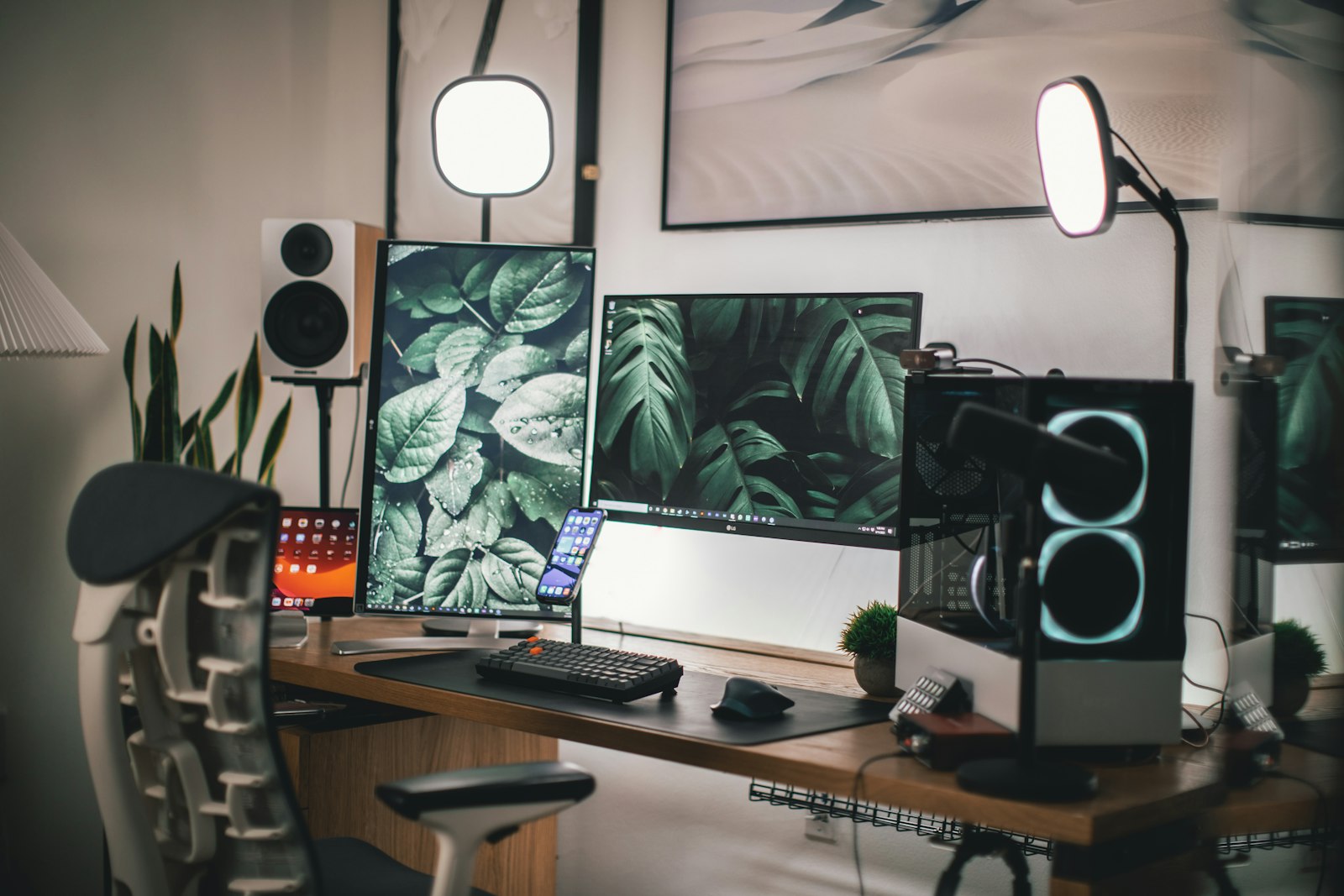
That second figure deserves a second look. Two hundred and fifty dollars is less than a single laptop, and it applies the moment the equipment leaves the house.
| Exposure | Covered? |
|---|---|
| Business equipment at home | To roughly $2,500 |
| Business equipment away from home | To roughly $250 |
| Business inventory or stock | Within the same small sub-limit |
| A client injured at your home | Generally not covered |
| A claim arising from your work | Not covered |
| Lost business income after a fire | Not covered |
| Your household contents | Fully covered, as normal |

Add up what you actually have
People underestimate this consistently, because equipment accumulates rather than being bought at once.
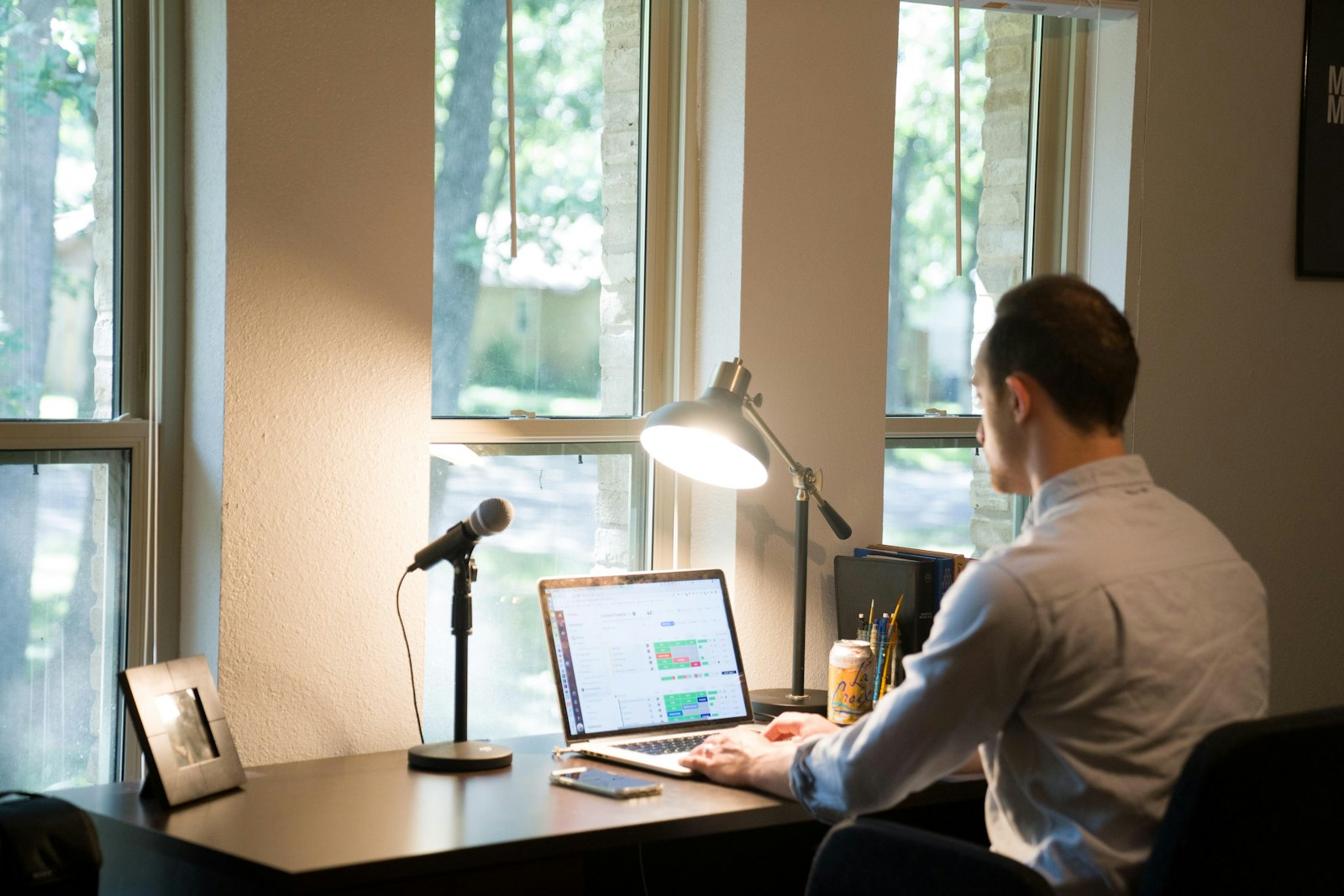
A laptop, an external monitor or two, a printer, a phone used for work, a camera, a microphone, a tablet, software licences, and whatever tools the trade requires. For most home businesses that clears $2,500 comfortably — often several times over.
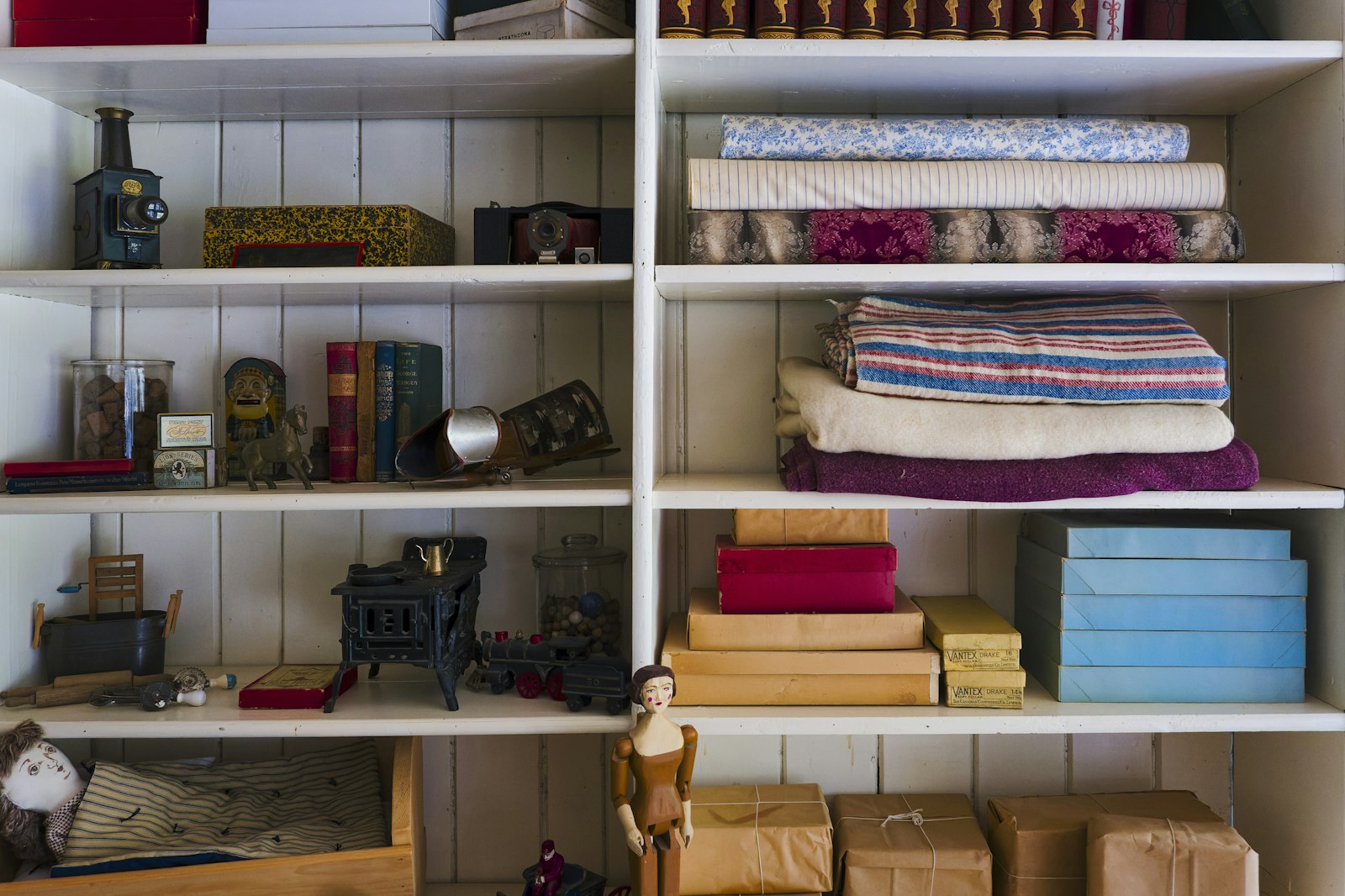
Then add anything held as stock. A craft business with materials in a spare room, a reseller with inventory in the basement, a caterer with equipment in the garage — all of that is business property, not household contents, and all of it falls under the same small ceiling.
Liability is the bigger hole
Property is the visible gap. Liability is the one that can cost more than the house.

A homeowners policy covers you as a homeowner. A guest who trips on your step is covered. A client who trips on the same step, visiting for business, generally is not — because the injury arises from the business, and business liability sits outside the policy.
This catches out exactly the businesses least likely to think about it. Tutors, music teachers, therapists, hairdressers, childminders and anyone else whose customers come to them. If people visit your home to receive a service you are paid for, this is the coverage you are missing.
Beyond visitors, there is the work itself. If a mistake in what you produce causes a client financial loss, that is professional liability — again outside a homeowners policy, and again the sort of claim that does not stay small.
Loss of income is the invisible exposure
Property and liability are the two most people eventually think about. There is a third that almost nobody does.
If a fire, a burst pipe or a storm makes your home unusable, a homeowners policy pays to repair the building and to house you while that happens. It does not replace the income the business stops earning in the meantime.
For a household where the home business is the main income, that is the gap that actually hurts. The equipment can be replaced in a week; a photographer who cannot shoot, a therapist who cannot see clients, or a maker who cannot access their stock loses earnings for as long as the repairs take.
Business interruption cover exists for exactly this, and it is generally available as part of the broader options below rather than as a standalone addition.
Three routes, at very different prices
| Option | What it does | Suits |
|---|---|---|
| Business property endorsement | Raises the equipment limit on your homeowners policy | Small operations, no visitors |
| Home business endorsement | Adds property plus limited business liability | Low-risk businesses with occasional visitors |
| Business owners policy | Standalone property and liability cover | Regular clients, staff, or significant assets |
| Professional liability | Covers claims arising from your advice or work | Consultants, designers, advisers |
| Commercial auto | Vehicles used to earn | Delivery, transport, trade vehicles |

The first two are inexpensive because they adjust a policy that already exists. Most home businesses in the Lehigh Valley are well served by an endorsement, and the conversation takes ten minutes.
When to move up a level
Four triggers usually mean an endorsement is no longer enough.
- Clients visit regularly. Occasional is one thing; a stream of appointments is another.
- You hold real inventory or equipment. Once the figure runs to five digits, sub-limits stop being relevant.
- You have employees, including part-time help. That brings its own obligations.
- A mistake could cost a client money. That is professional liability territory, whatever the size of the business.
Two adjacent things to check
Your vehicle. If the business puts the car to work — deliveries, transporting goods or equipment for payment — a personal auto policy may not respond. That is covered in when your personal auto policy stops covering you.
Your landlord, if you rent. A renters policy has the same structure and the same limitation, and many leases restrict business activity outright. Worth reading before scaling up — see renters insurance in Pennsylvania.
We review home business exposures and shop cover across several carriers through our insurance service in Bethlehem, and can price an endorsement against a standalone policy so the difference is visible. If you also own the property, homeowners insurance in Pennsylvania covers what the underlying policy does and does not do.
The Insurance Information Institute publishes a neutral overview of home business coverage.
Frequently asked questions
Does homeowners insurance cover a home business?
Only marginally. A homeowners policy typically covers business equipment in the home to a maximum of around $2,500, and only about $250 away from the premises. Business liability is generally not covered at all.
What is not covered by that sub-limit?
Business liability — a client injured at your home, or a claim arising from your work — sits outside a homeowners policy entirely. So does loss of business income, and inventory beyond the sub-limit.
Do I need coverage if I just work at a laptop?
Consider the equipment total honestly — computer, monitors, phone, camera, tools — and whether anyone visits for business. A consultant who never has visitors has a different exposure from a therapist or tutor seeing clients at home.
What is a business endorsement?
An addition to your existing homeowners policy that raises the business property limit and can add limited business liability. It is the cheapest route and suits small, low-risk operations.
When do I need a separate business policy?
When clients visit regularly, when you hold significant inventory or equipment, when you have employees, or when a professional mistake could cause a client financial loss. At that point a business owners policy is the right instrument.
Does this affect my car insurance too?
It can. Using your vehicle to earn money — deliveries, or transporting goods for the business — may fall outside a personal auto policy. That is a separate question with its own answer.
Running something from home?
Tell us what equipment you have and whether anyone visits. An endorsement is usually inexpensive — being uninsured is not. Hablamos Español.