Category: Insurance Guides

Plain-language guides to auto, home, and renters insurance in Pennsylvania.

  • Motorcycle Insurance in Pennsylvania: What Riders Need to Know

    Motorcycle Insurance in Pennsylvania: What Riders Need to Know

    Pennsylvania treats motorcycles differently from cars in two specific ways, and both of them matter more than the premium. One leaves most riders without medical coverage. The other quietly gives them back a legal right that car drivers routinely sign away.

    The liability requirement is identical

    A motorcycle must carry the same minimum liability as a car — $15,000 bodily injury per person, $30,000 per accident, $5,000 property damage. Written as 15/30/5, exactly as it is on an auto policy, and required before the bike can be registered.
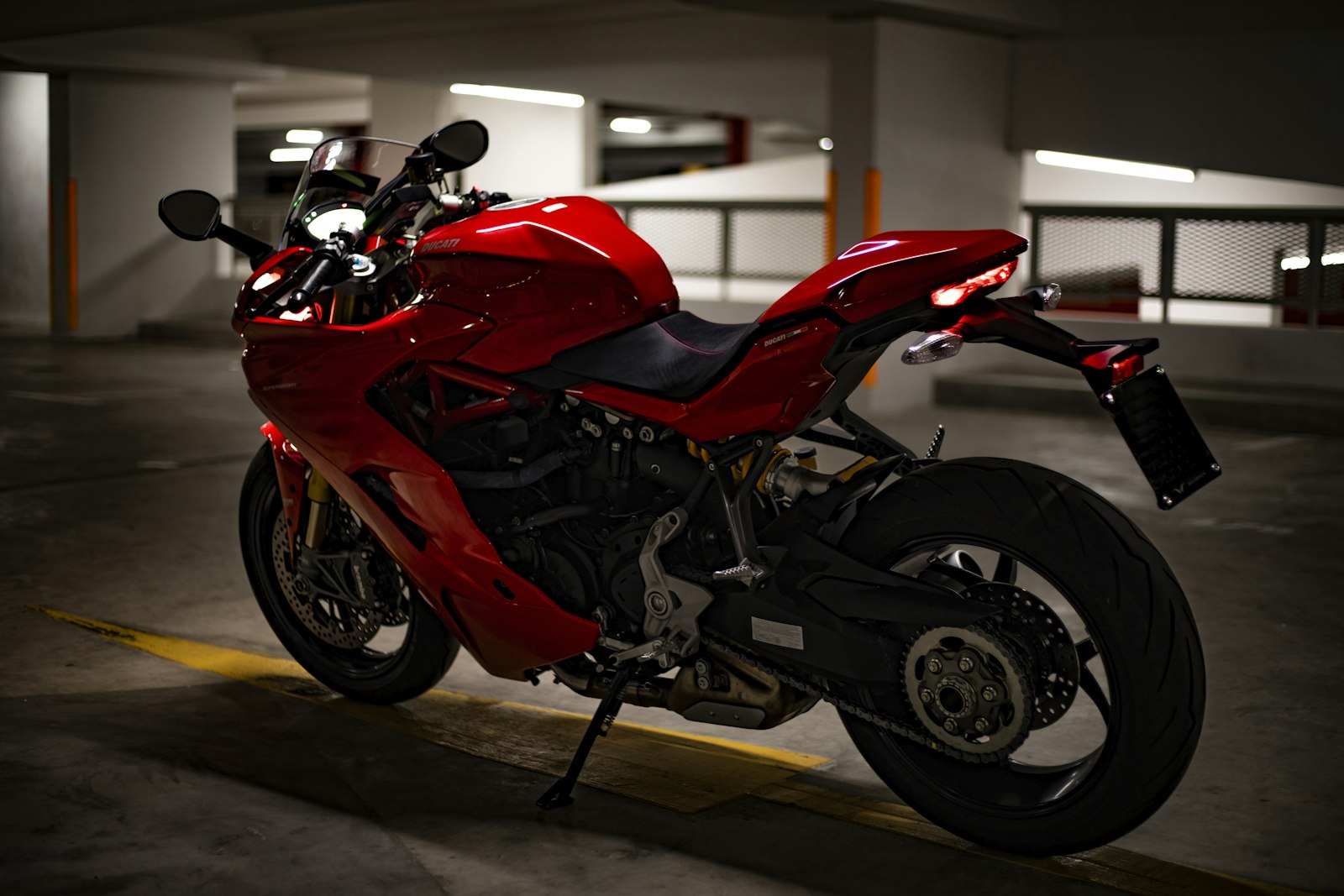
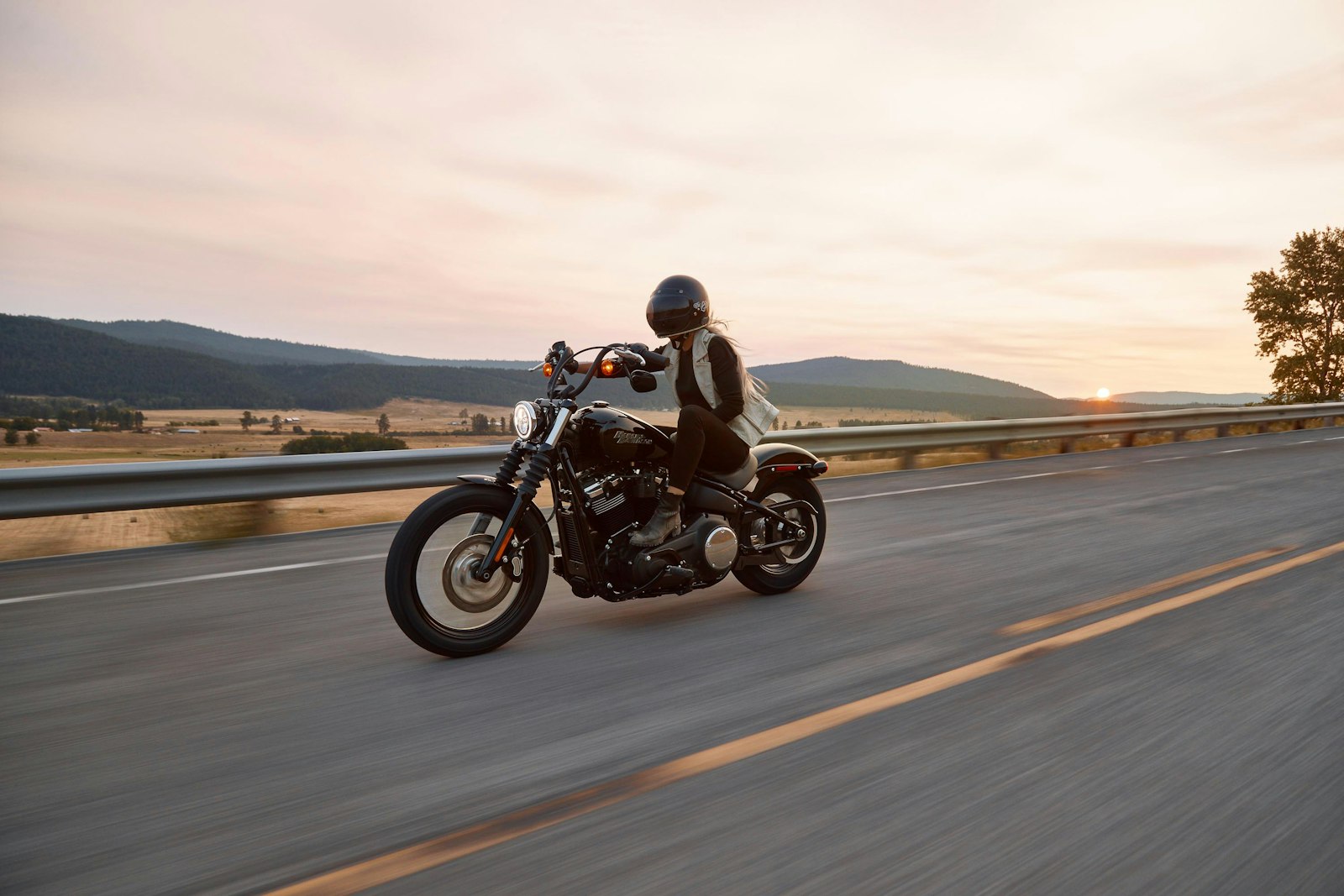
    A motorcycle insured in Pennsylvania
    Liability limits are identical to a car. Everything else is not.

    That is where the similarity ends.

    Difference one: no required medical benefits

    Every Pennsylvania car policy must include at least $5,000 in first-party medical benefits, paid regardless of who caused the crash.

    Motorcycle policies carry no such requirement. Medical payments coverage exists and can be added, but it is optional — and a rider who never asked for it does not have it.

    Medical coverage matters for Pennsylvania motorcyclists
    The coverage cars must carry, motorcycles need not.

    Consider what that means in practice. Motorcycle injuries skew severe, and the coverage that would pay first is the one Pennsylvania does not require on a bike. Riders relying on health insurance alone should check their deductible, their out-of-pocket maximum, and whether the plan excludes motorcycling. Adding medical payments coverage is inexpensive relative to what it does.

    Difference two: limited tort does not restrict you

    This one works in the rider’s favour, and almost nobody knows it.

    If you elected limited tort on your car policy, you gave up the right to sue for pain and suffering unless your injury clears a demanding legal threshold. That election does not follow you onto a motorcycle. Injured on a bike, you can pursue full pain and suffering damages regardless of what your car policy says.

    How your tort election behaves across vehicles
    Where you were injured Limited tort restricts you?
    Driving your own car Yes
    Passenger in a private passenger vehicle Yes
    Riding a motorcycle No
    Walking as a pedestrian No
    Riding a bicycle No
    Occupant of a vehicle that is not a private passenger vehicle No

    The mechanism is a statutory exception: limited tort restrictions do not apply to occupants of vehicles that are not private passenger vehicles. Our guide to full tort versus limited tort in Pennsylvania covers the full list of exceptions and why the election binds your whole household.

    The helmet rule

    Pennsylvania has a partial helmet law. Riders aged 21 or over may ride without one, provided they either have at least two years of riding experience or have completed a PennDOT-approved motorcycle safety course. Under 21, a helmet is required.

    Helmet and safety gear for Pennsylvania motorcyclists
    Optional for some riders, sensible for all of them.

    Insurance and law part company here. The choice is legal for qualifying riders; it does not change the severity of a head injury, and it does not change what your policy pays.

    Coverage worth carrying beyond the minimum

    Motorcycle coverages and when they earn their cost
    Coverage What it does Worth it when
    Medical payments Your injuries, regardless of fault Almost always — nothing else fills this gap
    Uninsured / underinsured motorist When the at-fault driver has too little cover Almost always — bike injuries outrun 15/30 fast
    Collision Repairs your bike after a crash you caused Any bike you could not replace out of pocket
    Comprehensive Theft, fire, vandalism, weather, animal strikes Almost always — bikes are easy to steal
    Accessory or custom parts Exhausts, bags, seats, chrome, audio If you have modified the bike at all
    Roadside assistance Recovery, which is specialised for bikes Long-distance riders

    Two of those deserve emphasis. Uninsured motorist coverage matters disproportionately for riders, because a motorcycle injury can exceed a $15,000 liability limit almost immediately. And custom parts are typically covered only to a low default sub-limit — if you have spent money on the bike, schedule it.
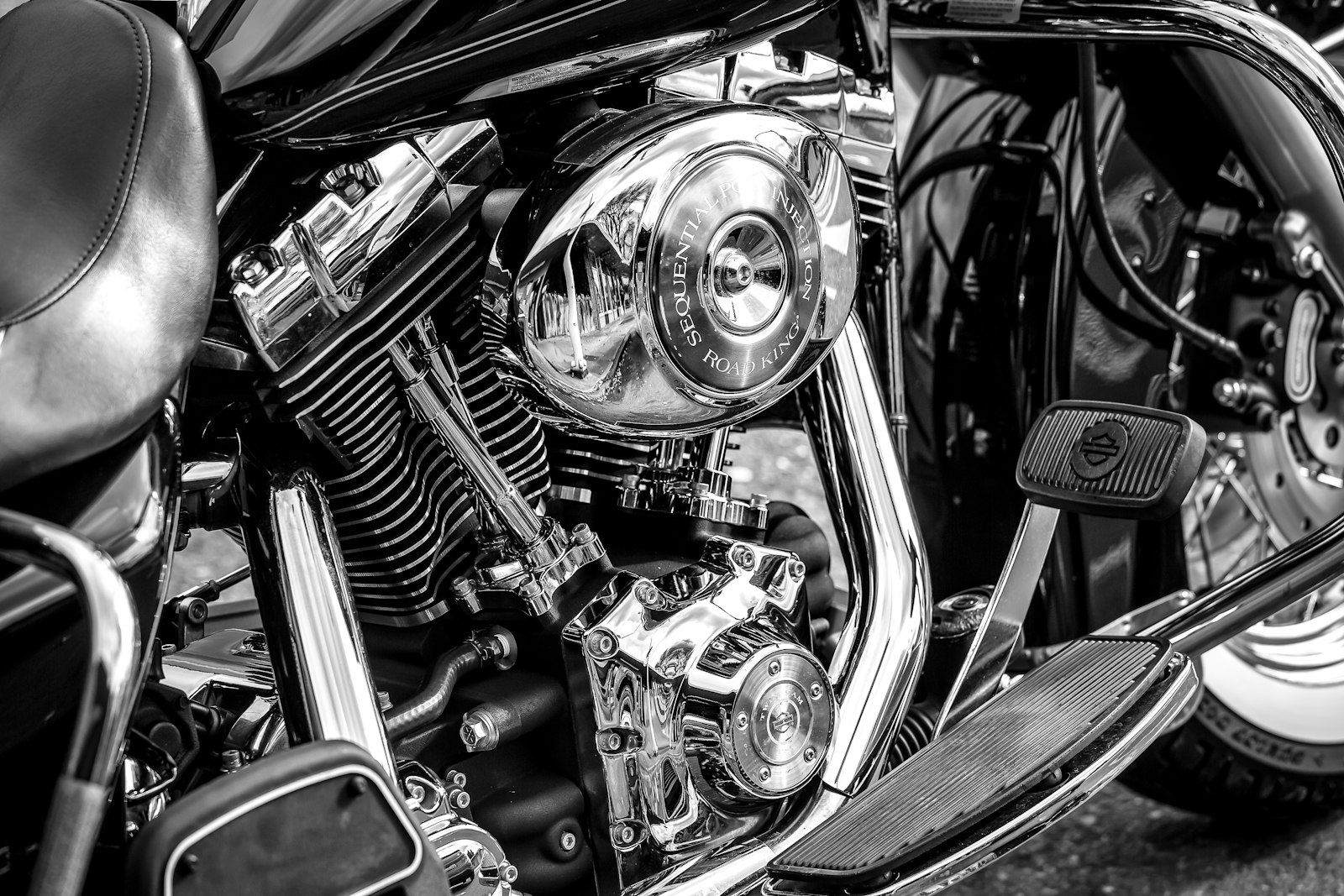
    Custom parts and accessories on a motorcycle need scheduled coverage
    Standard limits rarely cover what you have added.

    Registration and inspection for a bike

    Motorcycle registration runs $25.00 for one year or $50.00 for two, roughly half the passenger car rate. Motorcycles also require an annual safety inspection in Pennsylvania, though they are not subject to the emissions testing that applies to cars in Lehigh and Northampton counties.

    Registration and insurance stay linked the same way they do for a car: a lapse in coverage can lead to a registration suspension, and an expired inspection blocks renewal outright.

    What lowers a motorcycle premium

    • Complete an approved rider safety course. It earns a discount with most carriers and satisfies the helmet exemption at the same time. Courses are run through the Pennsylvania Motorcycle Safety Program.
    • Bundle with auto or home. Multi-policy discounts apply to bikes as readily as cars.
    • Keep the bike garaged. Secure overnight storage reduces theft exposure.
    • Raise the deductible on collision, not the liability limits.
    • Ride a bike the actuaries like. Engine size and category move the premium considerably.

    Winter storage

    Pennsylvania riding is seasonal for most people, and cancelling the policy in November is a common instinct. It usually costs more than it saves.

    Seasonal motorcycle storage in Pennsylvania
    Cancelling in winter usually costs more than it saves.

    A coverage lapse can raise your rate when you restart, and a stored bike can still be stolen, or damaged by fire, flood, or a burst pipe. Most carriers offer a reduced comprehensive-only arrangement over winter that keeps the policy continuous.

    We write auto and cycle coverage together through carriers including American National, Bristol West, Capitol and Progressive — see our insurance service in the Lehigh Valley. If you have just bought the bike, how to insure a vehicle you just bought covers the timing, and the registration side sits with our PennDOT agent services.

    Frequently asked questions

    What insurance is required for a motorcycle in Pennsylvania?

    The same liability minimums as a car: $15,000 bodily injury per person, $30,000 per accident, and $5,000 property damage — commonly written 15/30/5. Motorcycles must be insured to be registered.

    Do motorcycle policies include medical benefits in PA?

    No. Unlike car policies, Pennsylvania motorcycle policies are not required to include first-party medical benefits. Medical payments coverage is available but optional, and many riders do not realise they are without it until they need it.

    Does limited tort apply to motorcycles?

    No. Even if you carry limited tort on your car policy, you can still pursue full pain and suffering damages when you are injured on a motorcycle. A motorcycle is not a private passenger vehicle for these purposes.

    Do I have to wear a helmet in Pennsylvania?

    Not necessarily. Riders aged 21 or over may ride without a helmet if they have at least two years of riding experience or have completed a PennDOT-approved motorcycle safety course. Riders under 21 must wear one.

    How much is motorcycle registration in Pennsylvania?

    A motorcycle registration is $25.00 for one year or $50.00 for two years under PennDOT’s current schedule of fees — roughly half the cost of a passenger car registration.

    Should I cancel my motorcycle insurance over winter?

    Usually not. A lapse in coverage can raise your rate when you restart, and a stored bike can still be stolen or damaged by fire or a burst pipe. Comprehensive-only storage coverage is generally the better option.

    Riding season sorted?

    We quote motorcycle coverage across several carriers and can bundle it with your auto policy. Ask about medical payments — most riders do not have it. Hablamos Español.


    Call 610-625-1525Book an appointment

  • Homeowners Insurance in Pennsylvania: What’s Covered and What Isn’t

    Homeowners Insurance in Pennsylvania: What’s Covered and What Isn’t

    A homeowners policy is four coverages bundled together, plus a list of exclusions that most owners never read. In Pennsylvania two of those exclusions matter more than people expect — and one of them has a state-run solution costing about $40 a year.

    The four coverages inside a standard policy

    What a standard homeowners policy contains
    Coverage What it protects How the limit is usually set
    Dwelling The structure itself Estimated cost to rebuild
    Other structures Garage, shed, fence, detached buildings Typically 10% of dwelling
    Personal property Everything inside Typically 50–70% of dwelling
    Loss of use Living costs while the home is unliveable Typically 20% of dwelling
    Personal liability Injury or damage you are responsible for $100,000 upward, chosen
    Medical payments Minor guest injuries, regardless of fault $1,000–$5,000
    Dwelling coverage protects the structure of a Pennsylvania home
    Dwelling coverage rebuilds — it does not reflect market price.

    Insure to rebuild, not to market value. The two are different numbers. Land cannot burn down, so market price includes something the insurer never has to replace — and in areas where construction costs have risen faster than house prices, the rebuild figure can exceed what you paid.

    What is normally covered

    Standard policies cover a defined list of perils. The common ones behave predictably:

    • Fire and smoke — the core of the policy
    • Wind, hail, and falling objects, including trees
    • Weight of ice, snow or sleet — relevant most Pennsylvania winters
    • Sudden and accidental water damage from plumbing or appliances
    • Theft and vandalism
    • Lightning and electrical surge
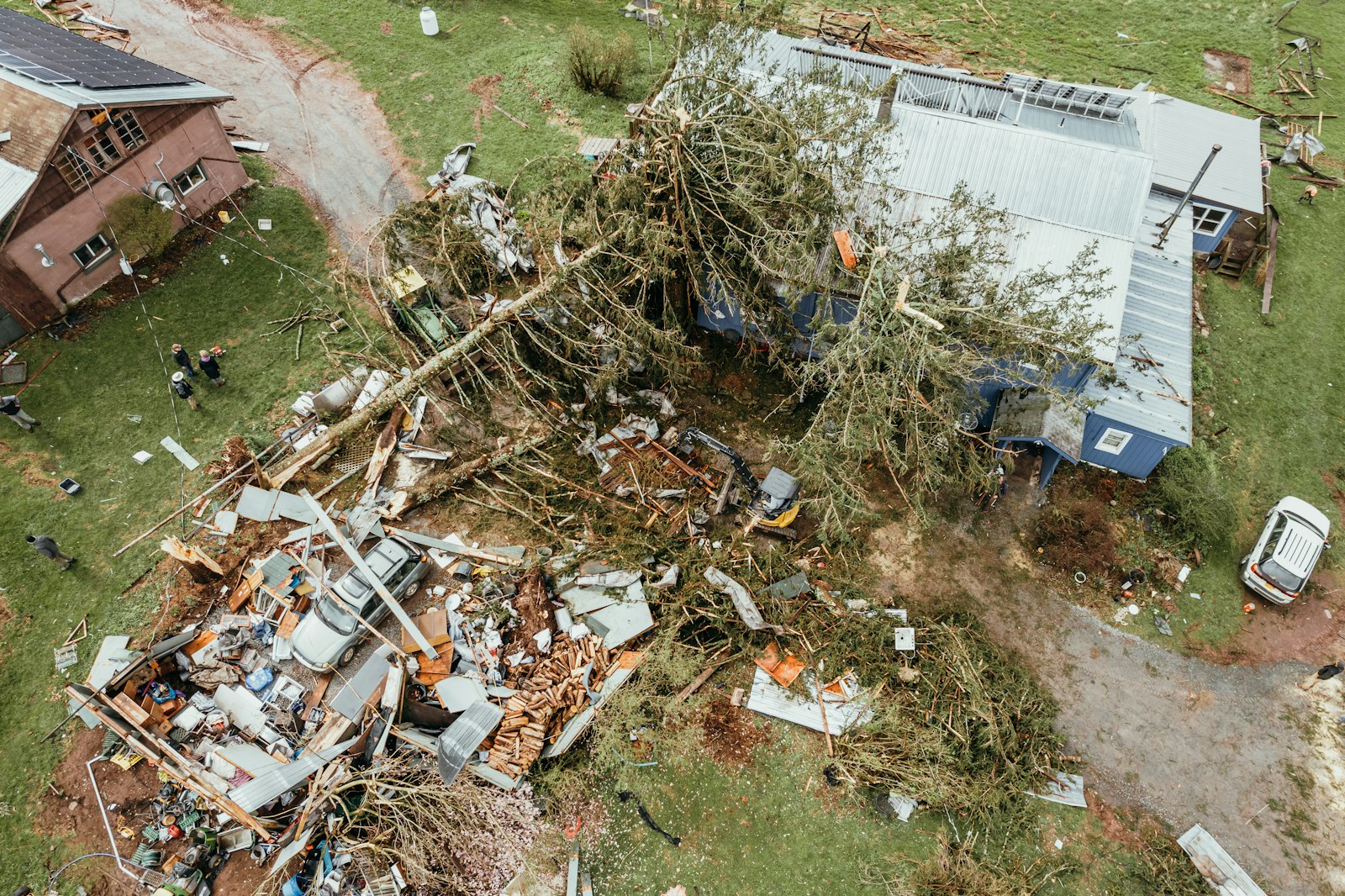
    Storm damage to a Pennsylvania home
    Wind and falling trees are standard covered perils.

    The exclusions that catch people out

    Commonly excluded, and what to do about it
    Excluded Why Solution
    Flooding from outside Universal exclusion Separate flood policy
    Earth movement and subsidence Universal exclusion Endorsement, or the state mine subsidence programme
    Sewer and drain backup Excluded as standard Inexpensive endorsement
    Gradual leaks and long-term seepage Treated as maintenance Fix and document promptly
    Mould, in most circumstances Limited or excluded Endorsement, often capped
    Home-based business property Outside personal lines Business endorsement or policy
    High-value jewellery above a sub-limit Sub-limited Schedule the items individually

    Mine subsidence: Pennsylvania’s own problem

    Pennsylvania was mined underneath for well over a century, and roughly a million properties statewide sit above old underground workings. When that ground sags or collapses, the damage to the building above can be severe.

    Every standard homeowners policy excludes it, as part of the general earth movement exclusion.

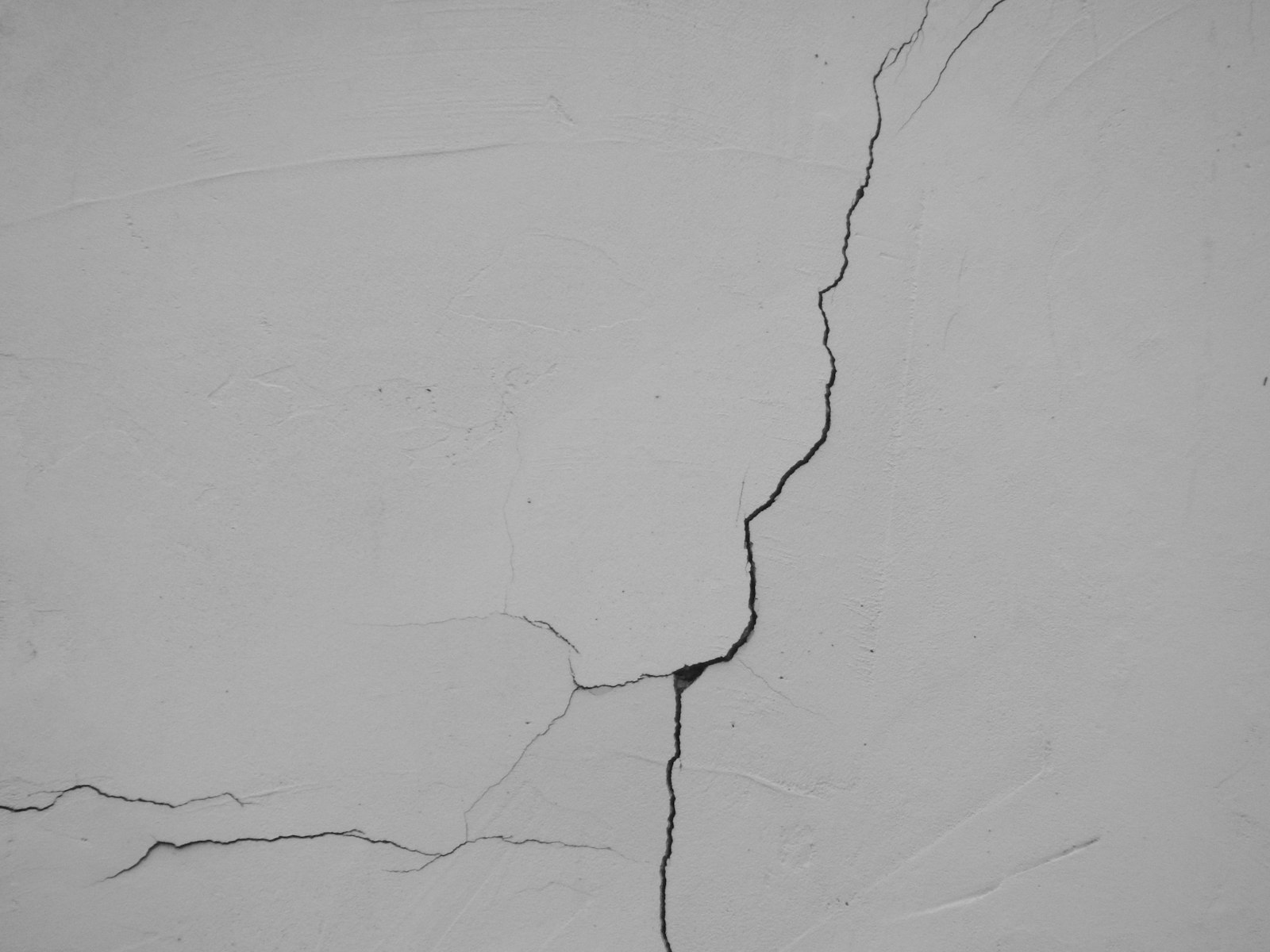
    Foundation cracking from ground subsidence in Pennsylvania
    Earth movement is excluded from standard policies.

    Pennsylvania responded by running its own programme through the Department of Environmental Protection. The terms are unusually good:

    Pennsylvania mine subsidence insurance at a glance
    Feature Detail
    Coverage range $5,000 to $1,000,000
    Approximate premium About $40 per year per $150,000 of coverage
    Deductible on residential structures $0
    Appurtenances — fences, patios, driveways Covered up to 20% of the overall limit
    What is not covered The land itself, and personal belongings
    How to buy it Through a licensed property and casualty producer
    Pennsylvania's mining history underlies the state subsidence programme
    Roughly a million Pennsylvania properties sit over old mine workings.

    A zero-deductible policy at around $40 a year is close to unique in personal insurance. Whether your specific address sits over former workings is worth checking — the programme is administered by the Pennsylvania Department of Environmental Protection, and it is bought through an agent rather than direct.

    Liability is the coverage nobody shops for

    People compare homeowners quotes on the dwelling figure and the premium. Almost nobody compares the liability limit, which is the coverage most likely to produce a claim larger than the house is worth.

    A guest injured on your steps, a dog bite, a tree of yours landing on a neighbour’s car, a child hurt in your pool — all of these attach to you personally. Standard policies often start at $100,000, which is not much once legal costs are involved.

    Raising the limit is inexpensive because catastrophic claims are rare. If you have a pool, a trampoline, a dog, or you host regularly, it is worth asking what $300,000 or $500,000 costs, and whether an umbrella policy sitting above your home and auto makes sense.

    Two settlement terms worth checking now

    Replacement cost versus actual cash value. Actual cash value depreciates your belongings before paying. Replacement cost does not. The premium difference is modest; the claim difference is not.

    Roof settlement basis. Some policies pay older roofs at depreciated value even when the rest of the policy is replacement cost. After a hail or wind event that difference can run to thousands. Ask which basis applies before you need to find out.

    Documenting belongings for a Pennsylvania homeowners claim
    Do this before you need it, not after.

    Keep an inventory

    Walk through the house with your phone and record every room, opening cupboards and drawers as you go. Store it somewhere that is not in the house — cloud storage or email works.

    It takes fifteen minutes and turns a contested claim into a straightforward one. Nobody reconstructs the contents of their home accurately from memory after a fire.

    Reviewing the policy

    Construction costs have moved sharply, and a dwelling limit set several years ago may no longer rebuild the house. Renovations, an extension, a finished basement, or a new roof all change the number.

    Reviewing a Pennsylvania homeowners policy with an agent
    Rebuild costs move faster than policy limits.

    We shop homeowners coverage across several carriers, including American National and Bristol West, through our insurance service in Bethlehem — and bundling with auto is usually the largest discount available. If you rent rather than own, renters insurance in Pennsylvania covers the tenant side, and the auto minimums guide covers the vehicle half of a bundle.

    Frequently asked questions

    Is homeowners insurance required in Pennsylvania?

    Not by state law. If you have a mortgage, your lender will require it as a condition of the loan, which is why nearly every mortgaged home in Pennsylvania carries a policy.

    Does homeowners insurance cover flooding?

    No. Flooding from outside the home is excluded from every standard homeowners policy and requires a separate flood policy. This matters in parts of the Lehigh Valley near the Lehigh and Delaware rivers.

    What is mine subsidence insurance?

    It covers damage caused when ground above old underground mine workings sags or collapses. Standard homeowners policies exclude it. Pennsylvania runs a state programme through the Department of Environmental Protection, with coverage from $5,000 to $1,000,000 and a $0 deductible on residential structures.

    How much does mine subsidence insurance cost in PA?

    Premiums run roughly $40 per year for each $150,000 of coverage, which makes it one of the least expensive protections available to a Pennsylvania homeowner. It is purchased through a licensed property and casualty insurance producer.

    Should I insure my home for what I paid for it?

    No. Dwelling coverage should reflect the cost to rebuild, which is a different figure from market value. Land is not at risk, so market price includes something insurance never needs to replace — and in some markets the rebuild cost is higher than the sale price.

    What is an actual cash value roof settlement?

    Some policies pay roof claims at depreciated value rather than replacement cost, particularly on older roofs. It substantially reduces what you receive after storm damage. Check which basis your policy uses before you need to claim.

    When did you last review your limits?

    Bring your current declarations page to our Bethlehem office. We will check your rebuild figure, flag any gaps, and price it across multiple carriers. Hablamos Español.

    Call 610-625-1525Book an appointment

  • Renters Insurance in Pennsylvania: What It Covers and What It Costs

    Renters Insurance in Pennsylvania: What It Covers and What It Costs

    Renters insurance is the cheapest policy most people will ever buy and the one they are most likely to skip. The usual reason is a belief that turns out to be wrong: that the landlord’s insurance covers you.

    It does not. It covers the landlord.

    What your landlord’s policy actually covers

    Who insures what in a Pennsylvania rental
    Item Landlord’s policy Your renters policy
    The building structure Yes No
    Roof, plumbing, wiring Yes No
    Your furniture and electronics No Yes
    Your clothing and personal items No Yes
    Damage you cause to the unit No Yes, via liability
    A guest injured in your apartment No Yes, via liability
    Somewhere to stay if the unit is unliveable No Yes, loss of use

    The split is clean and it surprises people every time. If a pipe bursts in the wall, the landlord repairs the wall and the pipe. Everything of yours that got soaked is your problem.

    Personal belongings covered by a Pennsylvania renters insurance policy
    Add it up — it is almost always more than you think.

    Add up what you actually own

    Most renters underestimate their belongings by a wide margin, because nobody thinks of it as a total. Walk through the rooms and count.

    A television, a laptop, a phone, a bed, a sofa, a table, kitchen equipment, a wardrobe of clothes, a bicycle, tools, and whatever is in the wardrobe you have not opened since you moved in. For most people it lands somewhere between $15,000 and $30,000 — considerably more than they would guess.

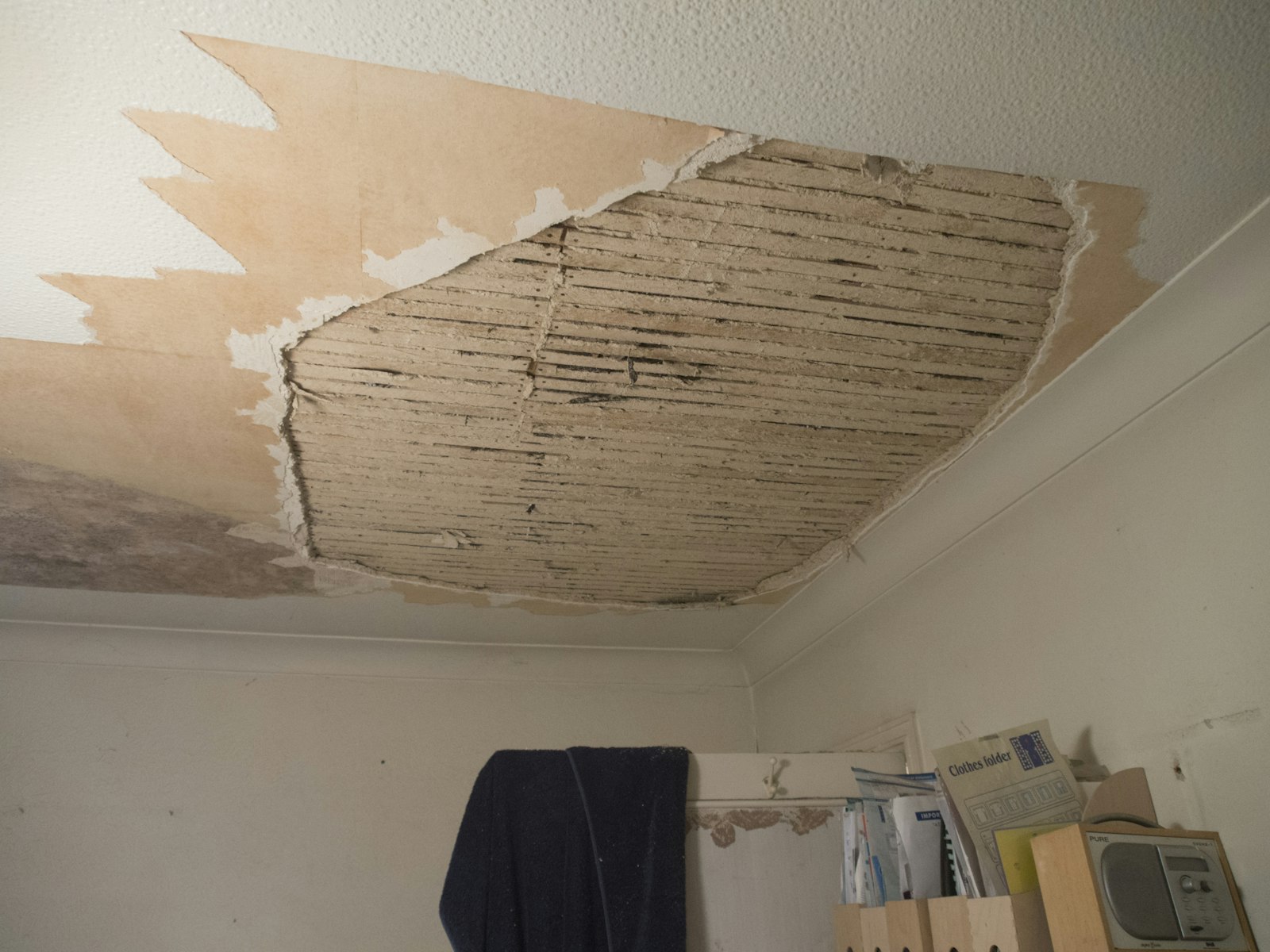
    Water damage in a rented Pennsylvania apartment
    The building is the landlord’s problem. Your things are not.

    The part that matters more than your belongings

    Personal property is why people buy renters insurance. Liability is why they should.

    If a guest is injured in your apartment, if your dog bites someone, or if you leave a tap running and flood the unit below, you are personally responsible. A standard renters policy includes liability coverage — commonly $100,000 or more — that stands between you and that claim.

    Liability coverage protects renters when a guest is injured
    Liability is the coverage that actually matters.

    Your belongings are replaceable and finite. A liability claim is neither, and it does not care what your annual income is.

    What a Pennsylvania renters policy covers

    Standard renters insurance coverages
    Coverage What it does Typical limit
    Personal property Replaces your belongings after a covered loss $15,000–$50,000
    Personal liability Injury or damage you are responsible for $100,000–$300,000
    Medical payments to others Minor injuries to guests, regardless of fault $1,000–$5,000
    Loss of use Hotel and meals if the unit becomes unliveable Percentage of property limit
    Off-premises property Belongings stolen away from home Usually a reduced limit

    What it does not cover

    • Flooding from outside. Rising water is excluded everywhere in Pennsylvania and needs a separate flood policy.
    • Earthquake and earth movement. Excluded without an endorsement.
    • Your roommate’s belongings, unless they are named on the policy.
    • Your car and anything bolted into it. That is auto insurance — though items stolen from the car are usually covered by renters.
    • Damage from neglected maintenance you were responsible for reporting.
    • High-value jewellery, art or collectibles above a sub-limit, without a scheduled endorsement.
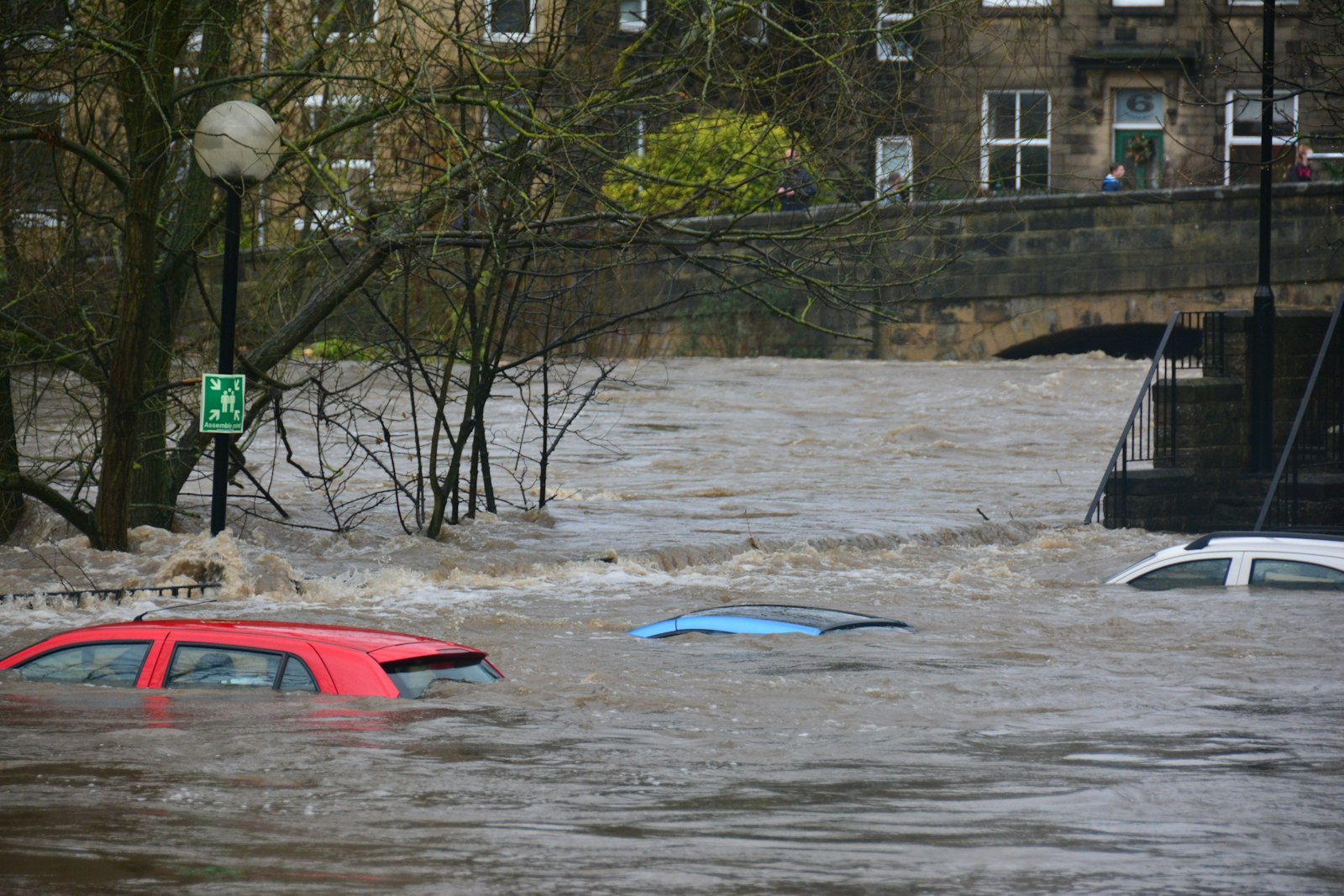
    Flood damage is excluded from standard Pennsylvania renters policies
    Flood is a separate policy, everywhere in Pennsylvania.

    Flood is worth a specific thought in the Lehigh Valley. Proximity to the Lehigh and Delaware rivers means flood risk is not theoretical for every address here. Flood coverage is separate from both renters and homeowners policies — ask about it rather than assuming.

    What it costs

    Renters insurance is inexpensive because the insurer is not on the hook for a building. Most Pennsylvania tenants pay somewhere between $12 and $25 a month.

    What moves your renters premium
    Factor Effect
    Coverage limit on personal property The largest single driver
    Replacement cost versus actual cash value Replacement cost adds a little, and is worth it
    Deductible A higher deductible lowers the premium
    Bundling with auto insurance Often the biggest available discount
    Building age, and whether it has alarms or sprinklers Modest effect
    Claims history Modest effect
    Budgeting for renters insurance in Pennsylvania
    Usually less than a streaming subscription.

    Roommates, students and leases

    A renters policy covers the people named on it. Your roommate’s belongings are not covered by your policy, and yours are not covered by theirs.

    Roommates can sometimes be added to a single policy, but many insurers prefer separate policies for unrelated tenants — and separate policies avoid an awkward conversation about whose claim it is when something happens.

    Students living away at college are often covered under a parent’s homeowners policy at a reduced limit, but the conditions vary by insurer and by whether the student is a dependant. It is worth a specific question rather than an assumption, particularly with Lehigh, Moravian, Muhlenberg and Lafayette all within a short drive.

    Replacement cost is the setting to get right

    Actual cash value pays what an item is worth now. A five-year-old laptop has almost no cash value, so a claim returns almost nothing.

    Replacement cost pays what a new equivalent costs. The difference in premium is small and the difference at claim time is enormous. If you change one thing on a quote, change this.

    Bundling usually pays for it

    Multi-policy discounts are among the largest available in personal insurance, and the discount applied to an auto policy frequently exceeds the entire renters premium. It is one of the rare situations where adding a policy can reduce what you pay overall.

    Bundling renters and auto insurance in Pennsylvania
    The bundle discount often exceeds the renters premium.

    We shop renters and auto together across several carriers — including American National and Bristol West — through our insurance service in the Lehigh Valley. If you also drive, our guide to Pennsylvania’s minimum car insurance requirements covers the auto side, and full tort versus limited tort explains the election that affects your whole household.

    The Insurance Information Institute publishes a neutral overview of how renters coverage is structured.

    Frequently asked questions

    Is renters insurance required in Pennsylvania?

    Not by state law. Landlords may require it as a condition of the lease, and many in the Lehigh Valley now do. Even where it is optional, the liability portion alone usually justifies the cost.

    Doesn’t my landlord’s insurance cover my things?

    No. Your landlord’s policy covers the building and their liability as the owner. It does not cover your furniture, electronics, clothing, or anything else you brought with you.

    How much does renters insurance cost in Pennsylvania?

    For most tenants it runs somewhere in the range of $12 to $25 a month, depending on coverage limits, deductible, location, and whether you bundle it with auto. It is one of the cheapest policies available.

    Does renters insurance cover water damage?

    It typically covers sudden and accidental water damage — a burst pipe, an overflowing appliance, a leak from the unit upstairs. It does not cover flooding from outside, which requires separate flood coverage.

    Am I covered if something is stolen outside my apartment?

    Usually yes. Personal property coverage generally follows your belongings away from home, including items taken from your car or while travelling, subject to your policy limits and deductible.

    What is replacement cost versus actual cash value?

    Actual cash value pays what your item is worth today, after depreciation. Replacement cost pays what it costs to buy a new equivalent. Replacement cost costs a little more and is worth it — a five-year-old laptop has almost no cash value.

    Renting in the Lehigh Valley?

    A renters quote takes a few minutes and usually costs less per month than a takeaway. We will price it alongside your auto policy to find the bundle discount. Hablamos Español.

    Call 610-625-1525Book an appointment

  • Full Tort vs Limited Tort in Pennsylvania: How to Choose

    Full Tort vs Limited Tort in Pennsylvania: How to Choose

    Pennsylvania is one of a small number of states that asks drivers to choose how much of their legal rights to keep. The choice appears as a single line on your policy, most people make it in seconds while comparing quotes, and it decides what happens to you after a crash you did not cause.

    What you are actually choosing

    Pennsylvania is a choice no-fault state. Whichever option you pick, your own medical benefits coverage pays your initial medical costs regardless of who was at fault, and you can pursue an at-fault driver for economic losses — medical bills and lost wages.

    The difference is non-economic damages: pain, suffering, mental anguish, and loss of enjoyment of life.

    Full tort and limited tort compared
    Full tort Limited tort
    Annual premium Higher Roughly 10–15% lower
    Recover medical bills Yes Yes
    Recover lost wages Yes Yes
    Recover for pain and suffering Yes, unrestricted Only if a threshold or exception is met
    Applies to your household Yes Yes
    Burden after a crash Prove fault and damages Prove fault, damages, and that the injury qualifies
    Finding the tort election on a Pennsylvania insurance declarations page
    It is one line, usually near the top.

    The threshold limited tort has to clear

    A limited tort driver can still sue for pain and suffering, but only if the injury is a serious injury. Pennsylvania defines that narrowly: death, serious impairment of a body function, or permanent serious disfigurement.

    Courts have interpreted “serious impairment of a body function” to require showing that the injury substantially affects your ability to lead your normal life. That is a demanding standard, and it is applied case by case.

    Soft tissue injuries that may not meet Pennsylvania's serious injury threshold
    Painful is not the same as legally serious.

    This is where limited tort bites. Whiplash, back strain, and other soft tissue injuries are genuinely painful, can take months to resolve, and frequently fall short of the threshold. Those are also the most common injuries in ordinary collisions — so the saving applies to the crashes you are most likely to have.

    The exceptions that hand your rights back

    Pennsylvania restores full tort rights to a limited tort driver in a defined set of circumstances. In these situations you do not have to prove a serious injury at all.

    When limited tort does not restrict you
    Circumstance Full tort rights restored?
    The at-fault driver was convicted of DUI, or accepted ARD Yes
    The at-fault driver was operating a vehicle registered in another state Yes
    The at-fault driver had no insurance Yes
    The at-fault driver intended to cause injury Yes
    You were an occupant of a vehicle that is not a private passenger vehicle Yes
    You were a pedestrian or a cyclist rather than an occupant Yes
    A drunk driver, one of the exceptions restoring full tort rights in Pennsylvania
    Some at-fault drivers hand your rights back.

    Two of these are worth dwelling on. The out-of-state vehicle exception matters more in the Lehigh Valley than almost anywhere else in Pennsylvania — the New Jersey border is twenty minutes from Bethlehem, and out-of-state plates are a routine sight on Route 22 and Interstate 78.

    Pedestrians and cyclists retain full tort rights in Pennsylvania
    Not every exception involves the other driver.

    The pedestrian and cyclist exception surprises people too. Limited tort restricts you as a driver or passenger; on foot or on a bike, the restriction does not apply.

    Your choice binds your household

    This is the part that gets least attention and deserves the most. The tort election is binding on you and every household member covered by the policy.

    A Pennsylvania tort election binds everyone in the household on the policy
    Your choice is not only yours.

    If you elect limited tort to save $150 a year, your spouse is limited tort. Your teenage driver is limited tort. An adult child living at home and insured on your policy is limited tort. None of them chose it, and none of them can opt out individually.

    What happens if you never chose

    Pennsylvania presumes full tort if you never responded to the election notice. That sounds reassuring, but it applies to genuine non-response — not to someone who accepted a quote that had limited tort built into the price.

    Do not assume. Find your declarations page and look for the words “limited tort” or “full tort”, usually near the top with the named insureds. If you cannot find it, your agent can tell you in under a minute.

    The money, and who should pick which

    Limited tort typically saves 10% to 15%. On a $1,400 annual premium that is around $140 to $210 a year.

    Which election tends to suit whom
    Situation Leans toward
    You have dependants relying on your income Full tort
    You commute daily, especially near state lines Full tort
    Household includes a teenage or new driver Full tort
    Physically demanding job where an injury stops your earnings Full tort
    Very low annual mileage, no dependants, tight budget Limited tort is defensible
    You already carry strong disability and health cover Limited tort is defensible
    Reviewing a tort election with an insurance agent in Pennsylvania
    Changing the election takes one conversation.

    Limited tort is not indefensible. It is a real trade, and for some households the premium saving genuinely matters more than a contingent legal right. What makes it a bad decision is making it without knowing — which is how most Pennsylvanians end up with it.

    Changing the election is straightforward: it takes one conversation with your agent and takes effect on your policy. We review coverage and shop rates across several carriers, and we will read your current declarations page with you. For the coverages you are legally required to carry, see Pennsylvania’s minimum car insurance requirements; if you have just bought a vehicle, how to insure a car you just bought covers the timing.

    PennDOT publishes an overview of Pennsylvania’s insurance law, including the tort options, in its Insurance Law fact sheet.

    Frequently asked questions

    What is the difference between full tort and limited tort in PA?

    Both let you recover medical bills and lost wages. Full tort also preserves your unrestricted right to sue an at-fault driver for pain and suffering. Limited tort gives up that right unless your injury meets the serious injury threshold or one of the statutory exceptions applies.

    What counts as a serious injury under Pennsylvania law?

    Death, serious impairment of a body function, or permanent serious disfigurement. Courts have read serious impairment to require an injury that substantially affects your ability to lead your normal life — a demanding standard that many soft tissue injuries do not meet.

    Which tort option do I have if I never chose one?

    Pennsylvania law presumes full tort if you never responded to the election notice. In practice, though, most people who accepted a cheaper quote did make a limited tort election without registering it. Check your declarations page rather than assuming.

    Does limited tort apply to my whole family?

    Yes. The election is binding on you and all household members covered by the policy, including your children. One person’s decision to save on the premium restricts everyone in the house.

    Are there exceptions to limited tort?

    Yes. You keep full tort rights if the at-fault driver was convicted of DUI or accepted ARD, was driving a vehicle registered in another state, was uninsured, or intended to cause injury. You also keep them if you were a pedestrian or cyclist, or an occupant of a vehicle that is not a private passenger vehicle.

    How much does full tort actually cost?

    Commonly around 10% to 15% more than limited tort on the equivalent policy. On a $1,400 annual premium that is roughly $140 to $210 a year — the trade is that money against your ability to be compensated for pain and suffering.

    Do you know which one you have?

    Bring your declarations page to our Bethlehem office and we will read it with you, explain your election, and price both options. Free, no obligation. Hablamos Español.

    Call 610-625-1525Book an appointment

  • How to Insure a Car You Just Bought in Pennsylvania

    How to Insure a Car You Just Bought in Pennsylvania

    Pennsylvania will not issue plates or registration on a vehicle without active insurance. That single rule determines the order everything else has to happen in — and it catches out a surprising number of buyers who plan to sort coverage later in the week.

    The grace period, honestly explained

    Most articles will tell you Pennsylvania gives you a grace period on a newly bought car. That is a half-truth worth unpicking, because it has cost people real money.

    There is no statutory grace period. What exists is a provision in most auto policies that automatically extends coverage to a newly acquired vehicle — typically for somewhere between seven and 30 days, depending on the insurer. PennDOT expects the vehicle to be added to your policy within 14 days of purchase.

    When the grace period does and does not help you
    Your situation Automatic coverage? What to do
    Active policy, replacing a listed vehicle Usually yes Notify your insurer within days, not weeks
    Active policy, adding a second vehicle Often shorter, sometimes none Call before you take delivery
    Policy cancelled after selling your last car No You need a new policy in force first
    First car you have ever owned No Arrange a policy before the purchase
    Liability-only existing policy Yes, but liability only Upgrade before delivery if the car is financed
    Calling an insurance agent before driving a newly bought car in Pennsylvania
    One phone call before you drive away.

    A grace period extends something that already exists. If you have no active policy, there is nothing to extend. This is the single most common misunderstanding, and it leaves people driving uninsured while believing they are covered.

    What your insurer needs from you

    Adding a vehicle takes a few minutes on the phone if you have the details ready.

    • The vehicle identification number — make and model alone is not enough
    • The purchase date and price
    • The current odometer reading
    • Where the vehicle will be garaged overnight
    • Everyone who will drive it regularly
    • Lienholder details, if the purchase is financed
    The VIN needed to add a newly purchased car to a Pennsylvania policy
    Your insurer needs the VIN, not the make and model.

    Ask for a binder or an insurance identification card to be sent while you are still on the call. That document is what you bring to the title appointment — you do not need to wait for a policy packet in the post.

    An insurance binder proving Pennsylvania coverage for a new vehicle
    A binder is enough to get plates issued.

    If the car is financed

    A lender is not bound by Pennsylvania’s minimum requirements, and effectively every auto loan requires comprehensive and collision coverage with a deductible cap, plus the lender named as loss payee.

    Relying on a grace period here is particularly risky. If your existing policy is liability-only, the newly acquired vehicle inherits liability-only — and you are in breach of the loan agreement from day one.

    Lender coverage requirements for a financed vehicle in Pennsylvania
    A lender’s requirements exceed the state minimum.
    Minimum required versus what a lender expects
    Coverage Pennsylvania minimum Typical lender requirement
    Bodily injury liability 15/30 Often 100/300
    Property damage liability $5,000 Often $50,000 or more
    Comprehensive Not required Required
    Collision Not required Required
    Deductible Not applicable Usually capped at $500 or $1,000
    Lienholder listed Not applicable Required as loss payee

    Gap coverage, briefly

    If you financed with little money down, the loan balance can exceed what the car is worth for the first year or two. A total loss pays out the vehicle’s value, not your balance, and the difference is yours to settle.

    The gap between a car's value and the loan balance
    New vehicles lose value faster than loans shrink.

    Gap coverage closes that difference. It is inexpensive, and it matters most in exactly the situation where people are least able to absorb a surprise bill.

    Timing it with the title appointment

    The sequence that works, in order:

    1. Agree the purchase and get the VIN from the seller.
    2. Call your agent with the VIN and purchase price. Ask for a binder.
    3. Confirm coverage is active from the date you take possession.
    4. Bring the binder or insurance card to the title transfer appointment.
    5. Collect plates and registration — at an authorized agent, usually the same visit.
    Arriving at a Pennsylvania title appointment with insurance ready
    No coverage, no plates — it is that simple.

    Because we are both an insurance agency and a PennDOT agent, we can quote coverage across several carriers and complete the title transfer in the same place. If you are still choosing a car, our private-seller checklist covers the rest of the purchase.

    Dealer purchases work slightly differently

    Buying from a licensed dealer removes some of the timing pressure, because the dealer handles the title and registration internally and will not release the vehicle without proof of coverage.

    What does not change is the underlying requirement. The dealer will ask for your insurance details before you drive off the lot, and a policy that is liability-only will not satisfy a finance agreement arranged in the same showroom.

    Arrange coverage before you go in rather than accepting whatever can be bound in the finance office under time pressure. It is the same decision either way, made more calmly.

    Mistakes worth avoiding

    • Assuming the seller’s insurance covers the drive home. It does not.
    • Assuming a grace period exists when you have no active policy.
    • Letting a liability-only policy extend to a financed car.
    • Waiting until after the title appointment. No coverage, no plates.
    • Taking the first quote under time pressure. Rates between carriers differ by hundreds a year for identical drivers.

    Before you decide on limits, it is worth understanding what Pennsylvania actually requires — our guide to minimum car insurance requirements covers the 15/30/5 rule and the tort election. For a plain-language overview of how the coverages in a policy fit together, the Insurance Information Institute is a good neutral reference.

    Frequently asked questions

    Do I need insurance before I can register a car in Pennsylvania?

    Yes. Proof of active Pennsylvania insurance is required before plates and registration can be issued. Arrange coverage before your title transfer appointment, not after.

    Is there a grace period for a newly bought car in PA?

    It depends on your policy, not on state law. Many insurers automatically extend coverage to a newly acquired vehicle for somewhere between seven and 30 days, but this only applies if you already have an active policy — and PennDOT expects the vehicle added within 14 days. Confirm the terms with your agent rather than assuming.

    What if I don’t have any existing insurance?

    Then there is no grace period to rely on, because a grace period extends an existing policy. If you cancelled coverage after selling your last car, or this is your first vehicle, you need a policy in force before you take delivery.

    What does my insurer need to add the car?

    The vehicle identification number, the purchase date and price, the odometer reading, where the car will be garaged, and who will drive it. The VIN is the essential item — make and model alone is not enough.

    Does the grace period include collision and comprehensive?

    Generally your new vehicle inherits whatever your existing policy carries. If your current policy is liability-only, the new car has liability only — which is a serious problem if the new car is financed and the lender requires full coverage.

    Can I use the seller’s insurance to drive it home?

    No. Insurance follows the policyholder and the vehicle listed on their policy, not whoever is driving. Once ownership transfers, the seller’s coverage does not protect you.

    Buying a car this week?

    Call us with the VIN and we will quote coverage across multiple carriers, then handle the title, tax and plates in the same visit. Hablamos Español.

    Call 610-625-1525Book an appointment

  • PA Minimum Car Insurance Requirements: What 15/30/5 Really Means

    PA Minimum Car Insurance Requirements: What 15/30/5 Really Means

    Pennsylvania’s minimum car insurance requirement is one of the lowest in the country. Meeting it keeps you legal — it does not necessarily keep you protected, and one line on your policy in particular can cost you far more than it saves.

    The legal minimum

    Every registered vehicle in Pennsylvania must carry at least this much coverage.

    Pennsylvania minimum required auto coverage
    Coverage Minimum limit What it pays for
    Bodily injury liability, per person $15,000 Injuries to one other person you are responsible for
    Bodily injury liability, per accident $30,000 Total injuries to all other people in one accident
    Property damage liability $5,000 Damage you cause to someone else’s vehicle or property
    Medical benefits (first party benefits) $5,000 Your own medical costs, regardless of who was at fault

    Insurance agents write the liability portion as 15/30/5. Note what is missing: none of it pays to repair your own vehicle. That requires collision and comprehensive coverage, which Pennsylvania does not mandate.

    A Pennsylvania auto insurance policy showing liability limits
    Your declarations page lists the limits you actually carry.

    Full tort or limited tort: the choice that matters most

    Pennsylvania is a choice no-fault state, which means every policyholder makes a decision most never think about again. It appears as a single line on your policy.

    Full tort versus limited tort in Pennsylvania
    Full tort Limited tort
    Premium Higher Lower — often 10% to 15% less
    Sue for medical bills and lost wages Yes Yes
    Sue for pain and suffering Yes, without restriction Only in limited circumstances
    If you suffer a serious injury Full right to recover Exception applies — you may still sue
    If injuries are painful but not ‘serious’ Full right to recover Generally cannot recover
    Best suited to Drivers prioritising protection Drivers prioritising premium cost

    Limited tort is not a small saving with no downside. It typically trims 10% to 15% from your premium, and in exchange you give up the right to claim for pain and suffering unless your injury clears a legal threshold such as death, serious impairment of a body function, or permanent disfigurement. Whiplash and soft-tissue injuries frequently fall short of that threshold.

    Exceptions do exist — including accidents caused by a drunk driver, an uninsured motorist, or a driver in an out-of-state vehicle.

    Choosing between full tort and limited tort on a Pennsylvania auto policy
    The tort election is a permanent-feeling choice made in seconds.

    Why the minimum often is not enough

    The $5,000 property damage limit is the one that fails first. It was set decades ago, and the average new vehicle now costs many times that.

    Consider a straightforward scenario: you are at fault in a collision with a three-year-old SUV, and the repair comes to $19,000. Your policy pays $5,000. The remaining $14,000 is yours personally — and the other driver’s insurer will pursue you for it.

    Where minimum limits run out
    Scenario Typical cost Minimum policy pays You may owe
    Moderate damage to a late-model SUV $19,000 $5,000 $14,000
    Total loss of a mid-range sedan $24,000 $5,000 $19,000
    Serious injury to one other driver $85,000 $15,000 $70,000
    Injuries to three people in one vehicle $120,000 $30,000 $90,000
    A car accident where Pennsylvania minimum liability limits may fall short
    Minimum property damage limits rarely cover a modern vehicle.

    Raising liability limits is usually far cheaper than people expect, because the underlying risk of a catastrophic claim is what drives the price, and that risk does not scale linearly with the limit.

    Coverage Pennsylvania does not require

    Optional Pennsylvania auto coverages
    Coverage What it does Worth considering when
    Collision Repairs your vehicle after a crash you caused Your car would be costly to replace
    Comprehensive Theft, fire, flood, hail, falling objects, animal strikes You park outside or drive rural roads
    Uninsured / underinsured motorist Covers you when the at-fault driver has too little or no insurance Almost always — a meaningful share of drivers are uninsured
    Higher medical benefits Raises the $5,000 first party benefits floor Your health plan has a high deductible
    Rental reimbursement Pays for a rental while yours is repaired You have no second vehicle
    Gap coverage Pays the difference when you owe more than the car is worth You financed with little money down
    Damage covered by optional comprehensive auto insurance in Pennsylvania
    Comprehensive covers what collision does not.

    What driving uninsured costs

    Pennsylvania treats a coverage lapse seriously, and the penalties compound.

    • A fine of at least $300
    • A three-month suspension of your vehicle registration
    • A three-month suspension of your driver’s license
    • Restoration fees to reinstate both
    • Towing and storage costs if the vehicle is impounded

    Because registration and insurance are linked, a lapse can also block a renewal outright — something we cover in our guide to Pennsylvania vehicle registration renewal.

    Penalties for driving without insurance in Pennsylvania
    A lapse suspends both your registration and your license.

    Lowering your premium without gutting your coverage

    • Compare carriers properly. Identical drivers routinely see quotes that differ by hundreds of dollars a year between insurers.
    • Bundle auto with home or renters. Multi-policy discounts are among the largest available.
    • Raise your deductible, not your liability risk. Moving a collision deductible from $250 to $1,000 lowers the premium while leaving your liability protection intact.
    • Ask about every discount. Safe driver, low mileage, defensive driving courses, good student, and paperless billing all add up.
    • Review after any life change. Moving, changing jobs, or paying off a vehicle can all shift your rate.
    Comparing Pennsylvania auto insurance quotes from multiple carriers
    The same driver can see very different rates across carriers.

    We shop several carriers — including American National, Bristol West, Capitol, and Progressive — rather than quoting a single company, which is the whole point of our auto and home insurance service in the Lehigh Valley. If you are buying a vehicle, arrange coverage before your title transfer appointment, because plates cannot be issued without it. Our breakdown of Pennsylvania title transfer costs covers the rest of what you will pay that day.

    For neutral background on how the coverages in a standard auto policy fit together, the Insurance Information Institute publishes a plain-language overview.

    Frequently asked questions

    What is the minimum car insurance required in Pennsylvania?

    Pennsylvania requires $15,000 bodily injury liability per person, $30,000 per accident, and $5,000 property damage liability — written as 15/30/5 — plus at least $5,000 in medical benefits, also called first party benefits.

    What is the difference between full tort and limited tort?

    Full tort preserves your unrestricted right to sue an at-fault driver for pain and suffering. Limited tort gives up that right in most cases in exchange for a lower premium, though exceptions apply for serious injury, death, and certain other circumstances.

    Which tort option am I on if I never chose?

    Pennsylvania defaults to full tort if no election is recorded. However, most people who selected a cheaper quote without reading closely did make a limited tort election. Check your declarations page rather than assuming.

    Is Pennsylvania a no-fault state?

    Pennsylvania is a choice no-fault state. Your own medical benefits coverage pays your initial medical costs regardless of fault, while your tort election determines whether you can sue for pain and suffering.

    What happens if I drive without insurance in PA?

    Penalties include a minimum $300 fine, a three-month suspension of both your registration and your driver’s license, and restoration fees to reinstate them. You may also be responsible for towing and storage costs.

    Do I need insurance before I can register a car in Pennsylvania?

    Yes. Proof of active Pennsylvania insurance is required before plates and registration can be issued, so arrange coverage before your title transfer appointment rather than after.

    Not sure what you are actually covered for?

    Bring your current declarations page and we will read it with you, explain your tort election, and shop your rate across multiple carriers. Free quotes, no obligation.

    Call 610-625-1525Book an appointment