
A personal auto policy insures personal use of a car. That sounds obvious until you notice how many ordinary arrangements fall outside it — and that nobody finds out which side of the line they were on until after a claim.
The exclusion is broader than most people think
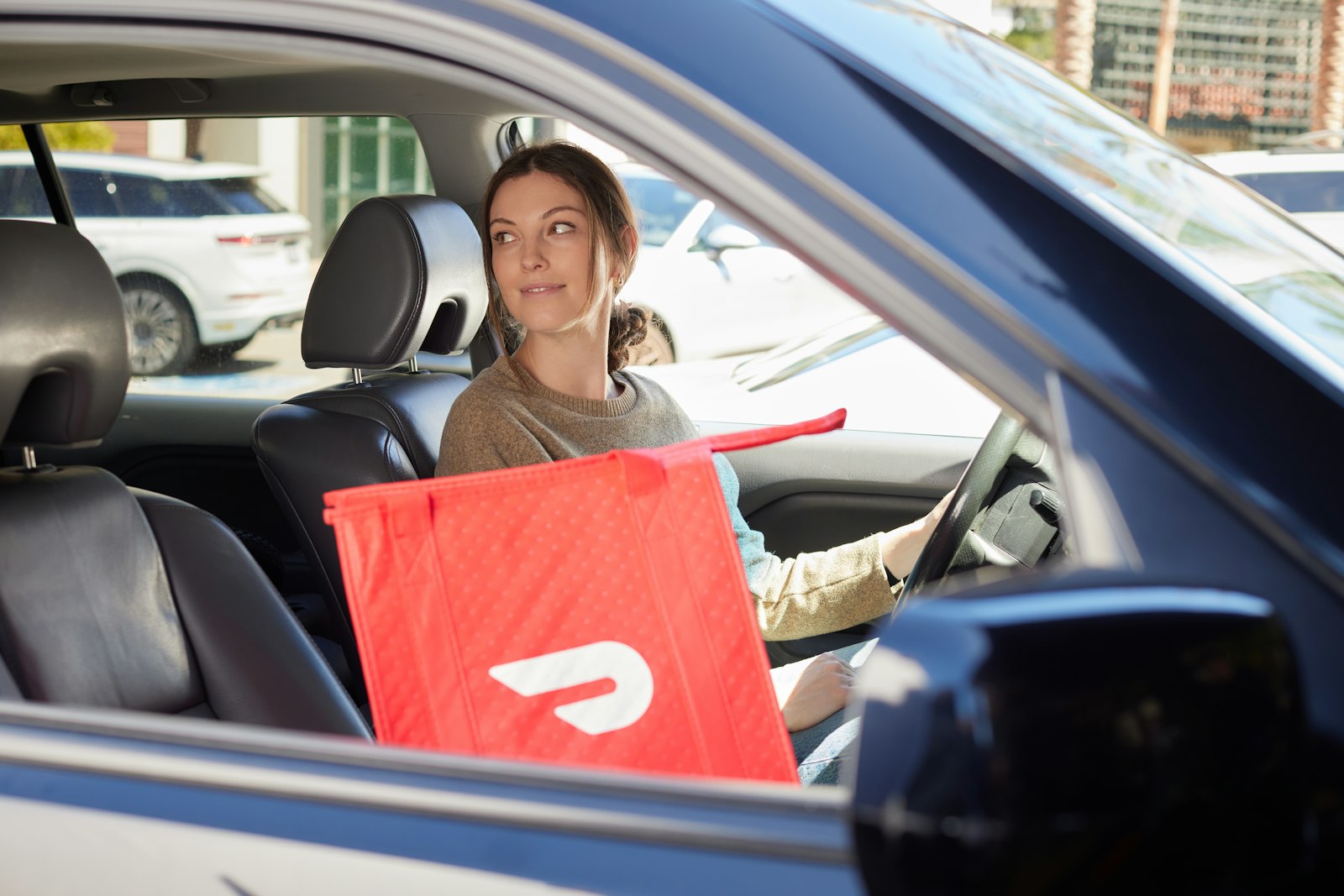
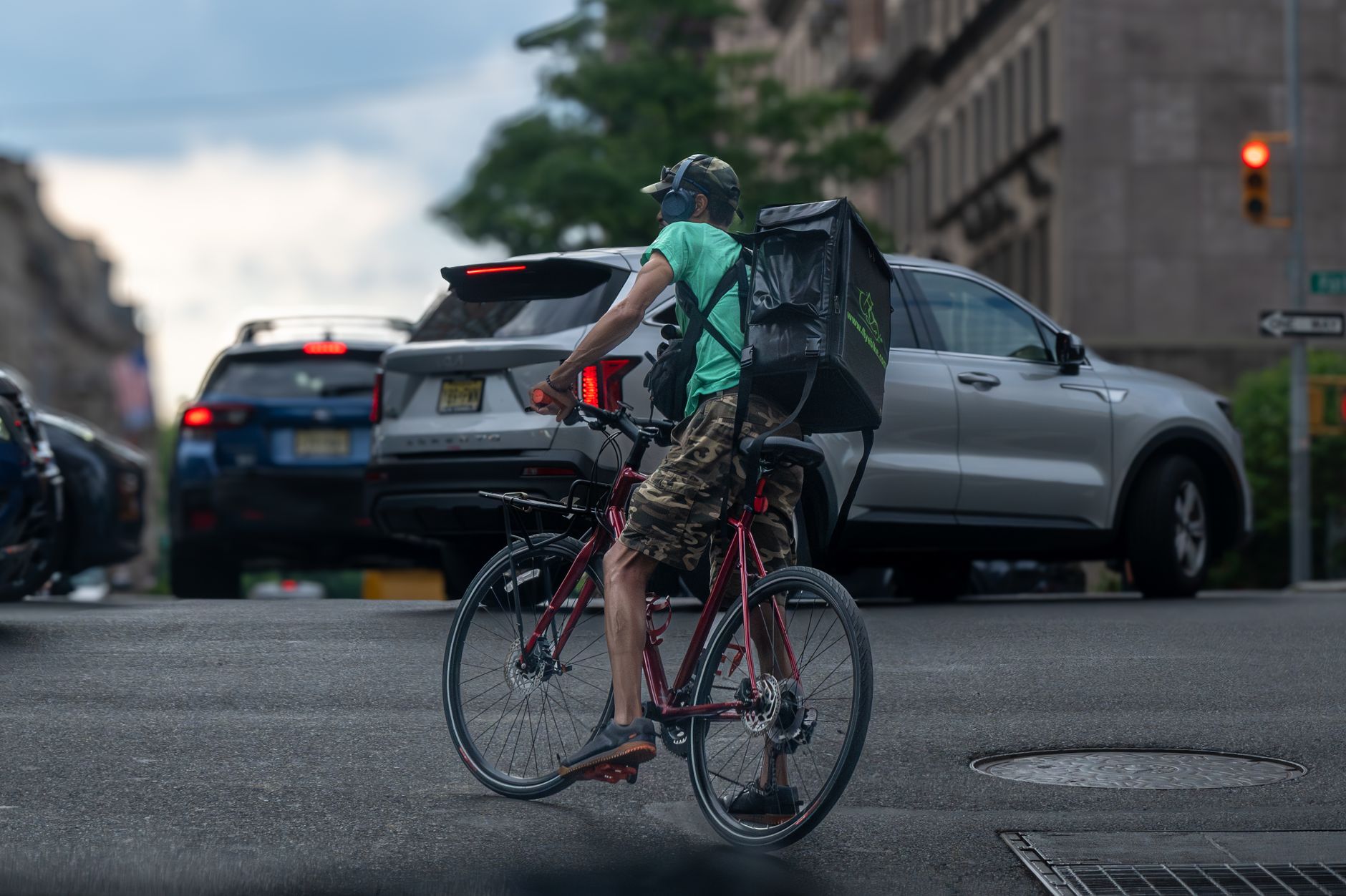
Personal auto policies generally will not cover a vehicle used for commercial purposes. The examples insurers give are unambiguous: delivering food, operating a delivery service, using a pickup to plough driveways for money, or providing transportation through a ride-sharing platform.
Two further points widen it. A personal policy is unlikely to cover a vehicle used primarily in business, and it will not cover a vehicle owned by a business at all.
| Activity | Personal policy? |
|---|---|
| Commuting to a regular workplace | Covered — this is personal use |
| Driving to a client meeting occasionally | Usually covered |
| Carrying tools to your own job | Usually covered |
| Food or parcel delivery for payment | Excluded |
| Rideshare driving | Excluded without an endorsement |
| Ploughing or landscaping for payment | Excluded |
| Vehicle used primarily for business | Unlikely to be covered |
| Vehicle titled to a business | Not covered |
Commuting is not business use. This is the most common misunderstanding in the other direction. Driving forty minutes each way to a job is personal use of your car, and no endorsement is needed for it. The trigger is the vehicle earning, not the trip relating to work.
Rideshare has three phases
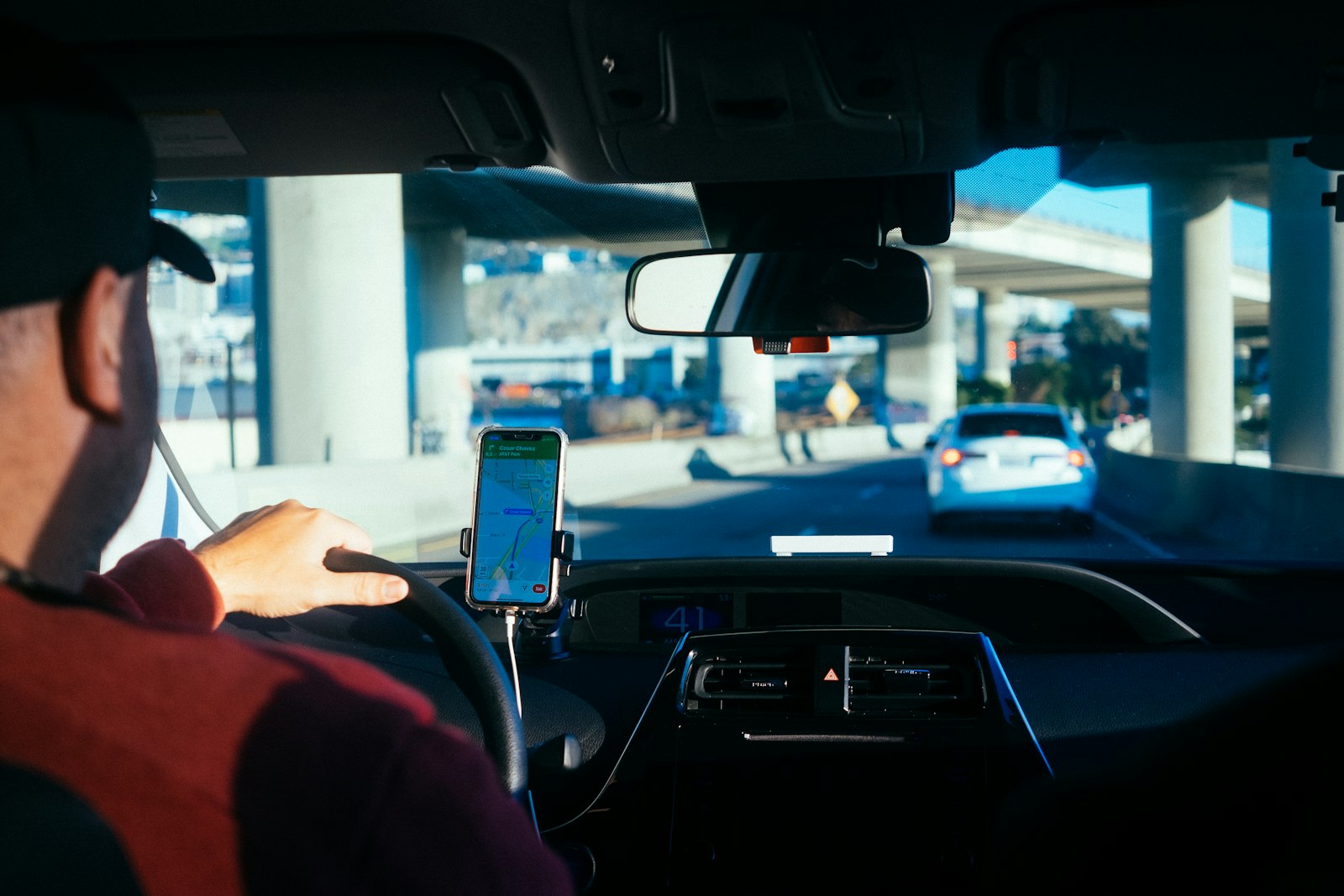
Ride-sharing is the most nuanced case, because coverage changes depending on what the app is doing.
| Phase | Typical position |
|---|---|
| App off, driving personally | Your personal policy applies |
| App on, waiting for a request | The gap phase — limited platform cover, personal policy likely excluded |
| Request accepted, driving to collect | Platform coverage applies |
| Passenger in the vehicle | Platform coverage applies |
The waiting phase is where drivers are most exposed, and it is where a rideshare endorsement on your own policy earns its cost. Many insurers now offer one specifically to bridge that period, and it is a supplemental product rather than a separate policy.
Delivery is the harder problem
Food and parcel delivery attracts less attention than rideshare and is excluded just as firmly. Someone delivering a few evenings a week to supplement income is running a commercial use of a personally insured car.
Fewer insurers offer delivery endorsements than rideshare ones, and where none is available the honest answer is a commercial policy. That is a real cost, and it deserves to be weighed against what the driving actually earns.
The grey middle
Between clear personal use and clear commercial use sits a band where the answer depends on facts rather than categories.
A contractor driving to a job in their own pickup with their own tools is usually fine on a personal policy. The same person running three crews, with the truck out earning all day every day, is not — the vehicle has become primarily a business asset.
Nobody has to make that judgement at the roadside. But somebody will make it during a claim, and it is far better to have the conversation with your agent while everything is calm.
Why insurers draw the line here
It is not arbitrary. A car earning money behaves differently from a car that is not.
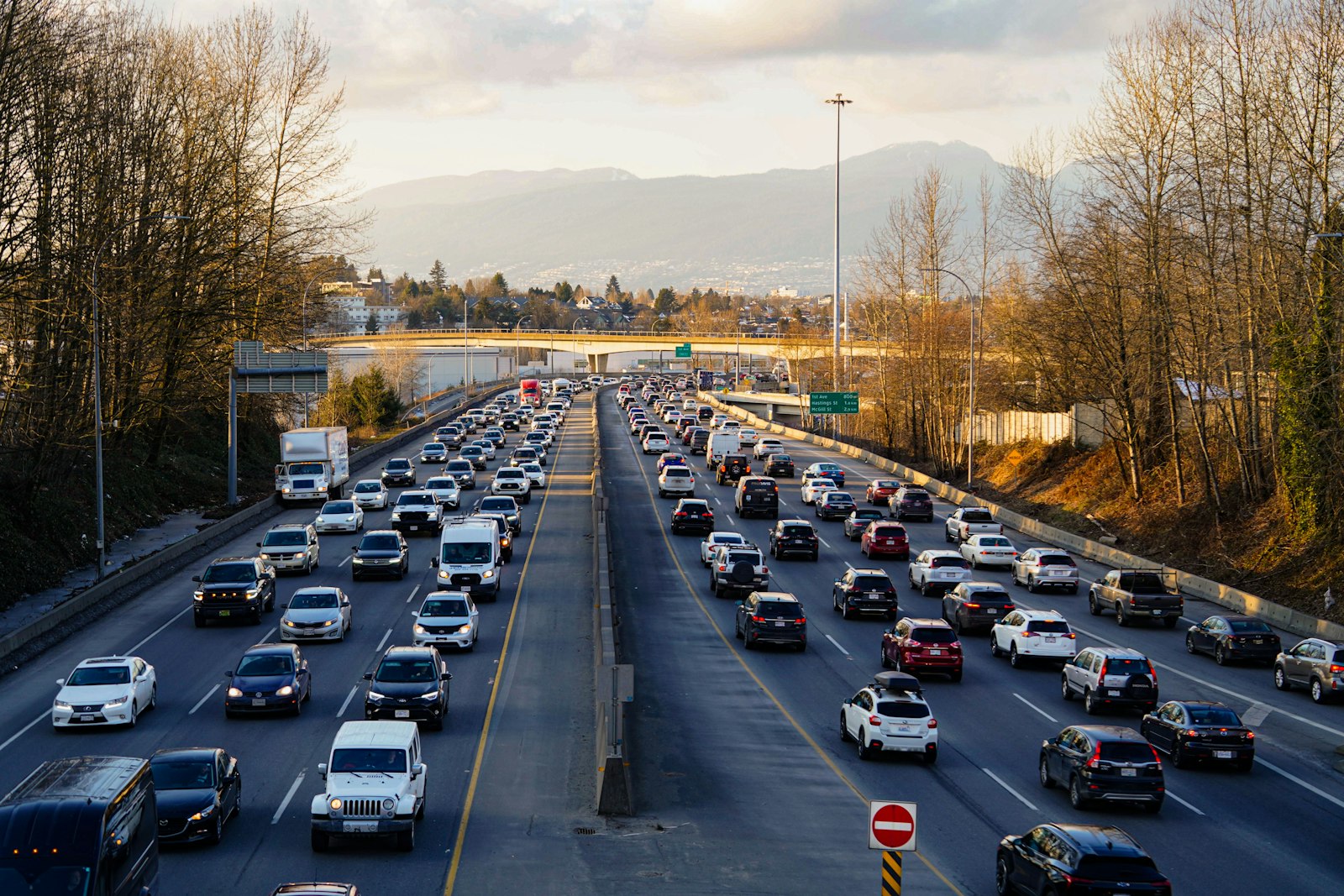
It covers more miles, spends more time in traffic at busy hours, stops and starts constantly, carries strangers or goods, and is driven under time pressure. Every one of those raises the probability of a claim, and none of them was priced into a policy written for commuting and errands.
Which is also why the fix is an adjustment rather than a refusal. Insurers are not trying to exclude the work — they are trying to charge for it.
How insurers find out
People assume undisclosed business use is invisible. It is not, and the discovery mechanism is always the same: a claim large enough to be worth investigating.

- Platform records show precisely when the app was active
- Delivery orders and receipts establish what the trip was
- Witnesses and police reports record signage, bags and passengers
- Your own account of where you were going
- Social media and vehicle markings, more often than you would think
A denied claim on a serious accident does not simply mean paying for your own car. It means personal exposure to the other party’s injuries, which in Pennsylvania can exceed the 15/30/5 minimums almost immediately — as set out in why the state minimum is rarely enough.
Fixing it is usually cheap
The remedy is almost always smaller than the risk.

| Option | Suits |
|---|---|
| Business use classification on the personal policy | Occasional work driving |
| Rideshare endorsement | Uber and Lyft drivers |
| Delivery endorsement, where available | Occasional delivery work |
| Commercial auto policy | Vehicles used primarily in business |
| Hired and non-owned auto cover | Businesses whose staff drive their own cars |
Tell your agent what the vehicle actually does. Not what it did when the policy was written, and not the version that sounds least complicated — the real answer, including the two evenings a week.
We review classifications and shop coverage across several carriers through our insurance service in Bethlehem, and it is worth doing at the same time as checking your tort election and stacking choice, both of which bind your whole household. If the work happens at home rather than on the road, home-based business insurance covers the other half of the same problem.
The Insurance Information Institute publishes a neutral question-and-answer on ride-sharing coverage.
Frequently asked questions
Does my personal auto policy cover delivery driving?
Generally no. Personal auto policies will not provide coverage where the car is used for commercial purposes such as delivering food or operating a delivery service. That exclusion applies whether you deliver full time or occasionally.
Am I covered driving for Uber or Lyft?
Not under a standard personal policy. Coverage is generally excluded when you use your vehicle to provide transportation through a ride-sharing service. Many insurers now offer a rideshare endorsement that closes the gap, and the platform provides some coverage during certain phases.
Is commuting business use?
No. Driving to and from your regular workplace is personal use, however long the journey. The distinction is not whether the trip relates to work — it is whether the vehicle is being used to earn money in the way a commercial vehicle would.
What about driving between job sites?
That is closer to the line. Occasional errands are usually fine; a vehicle used primarily in business is unlikely to be covered by a personal policy, and a vehicle owned by a business will not be.
How would my insurer even know?
Because the question gets asked after a claim. Platform records, delivery apps, receipts and witness accounts all establish what the vehicle was doing, and an insurer investigating a significant claim will look.
What does a business use endorsement cost?
Usually far less than people expect, because it is adjusting an existing policy rather than writing a new one. The cost is trivial against a denied claim, which is the alternative it protects you from.
Driving for an app, even occasionally?
Tell us what the car actually does and we will check whether you are covered. An endorsement costs far less than a denied claim. Hablamos Español.