
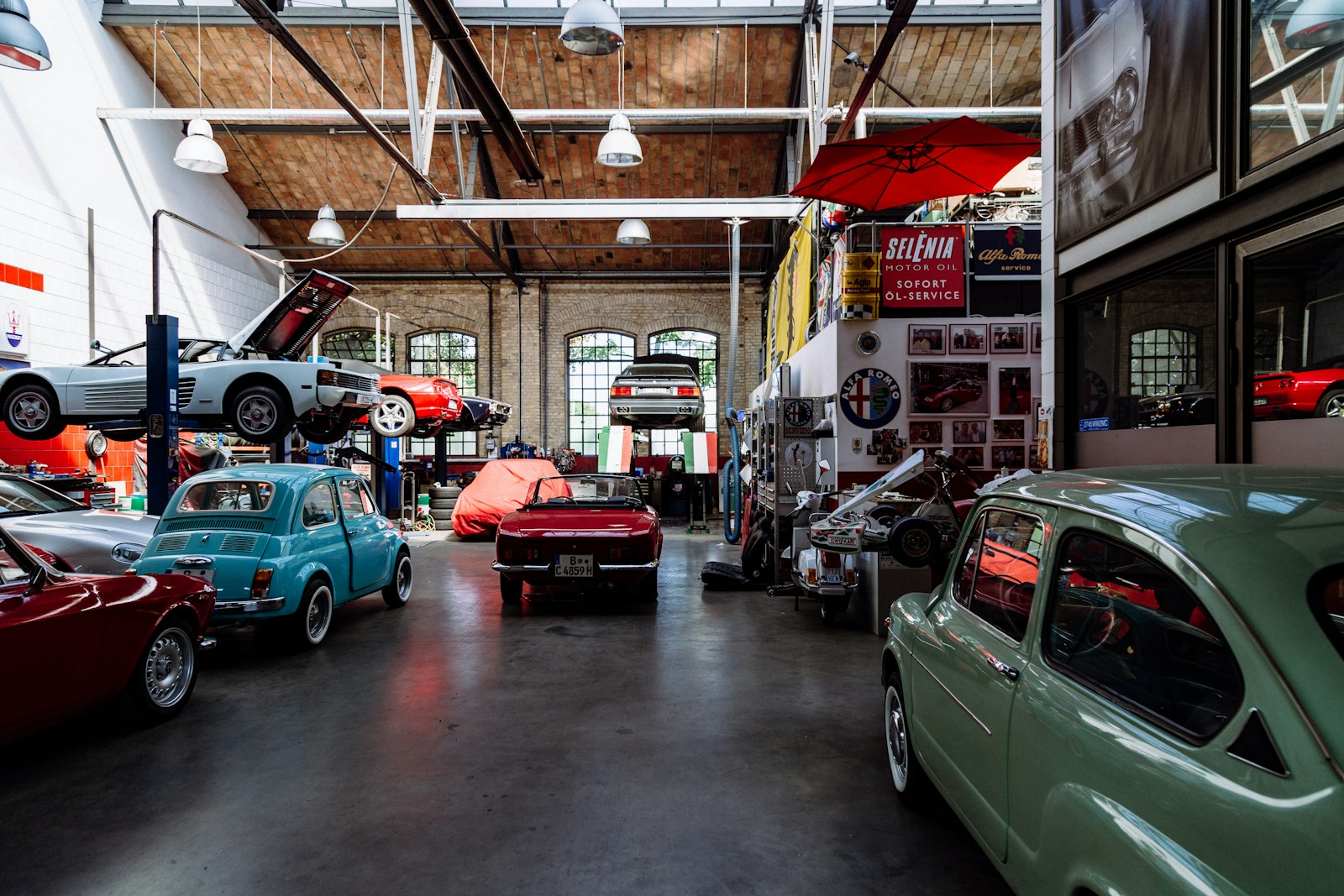
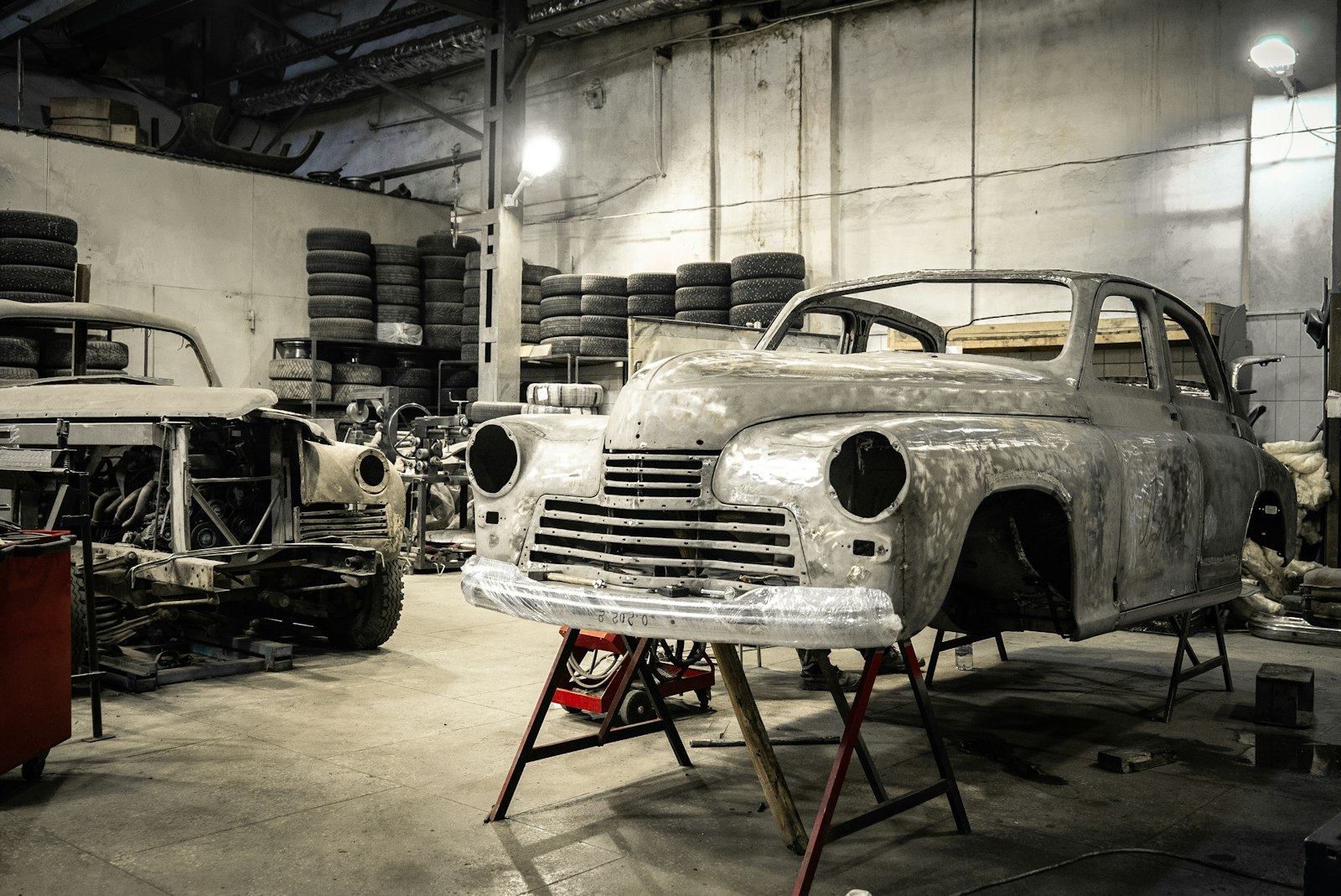
Insurance treats a 1968 car as a fifty-seven-year-old car. That is fine until you have spent four years and $40,000 rebuilding it, and discover the policy considers it worth about six thousand dollars.
The problem with actual cash value
A standard auto policy settles a total loss at actual cash value: what a comparable vehicle of that year, mileage and condition would cost in your local market.
For an ordinary car that works well. For a restored one it fails, because the comparables the valuation reaches for are unrestored examples of the same model, and no amount of receipts changes the formula.
| Standard policy | Agreed value policy | |
|---|---|---|
| Basis of settlement | Actual cash value at the time of loss | The figure agreed when the policy was written |
| Depreciation applied | Yes | No |
| Restoration costs recognised | Rarely | Yes, with evidence |
| Dispute at claim time | Common | Largely pre-empted |
| Usage restrictions | None | Yes — mileage, storage, pleasure use |
| Typical premium | Higher for the value covered | Often lower, because use is limited |
How this plays out after a loss is the same mechanism described in when your car is totaled in Pennsylvania — Pennsylvania applies a total loss formula against actual cash value, so the value figure decides everything.
How agreed value works
You and the insurer settle on a number at the outset, supported by evidence, and that number is what gets paid if the vehicle is a total loss.

What insurers usually want to see:
- Photographs — exterior from every angle, interior, engine bay, undercarriage
- A professional appraisal, for higher-value vehicles
- Restoration receipts and documentation of the work
- Comparable sales for the model in similar condition
- Details of storage and how the car is kept
Keep that file updated. A value agreed five years ago on a market that has moved is worth revisiting.
The conditions attached
Specialist policies are cheaper than their coverage suggests because the risk is genuinely lower. The conditions are what make that true, and breaching them is what causes claims to fail.
| Condition | Why it exists | Watch out for |
|---|---|---|
| Limited annual mileage | Low use means low exposure | Track it honestly — odometers get read at claim time |
| Pleasure use only | No commuting or business use | A single regular commute can void the basis |
| Secure, usually enclosed storage | Theft and weather exposure | A driveway may not satisfy it |
| Another vehicle in the household | Confirms this is not daily transport | Selling the daily driver changes things |
| Minimum driver age and clean record | Underwriting the driver, not just the car | Adding a young driver may not be possible |
| Named drivers only | Restricts who may drive it | Lending it to a friend may not be covered |
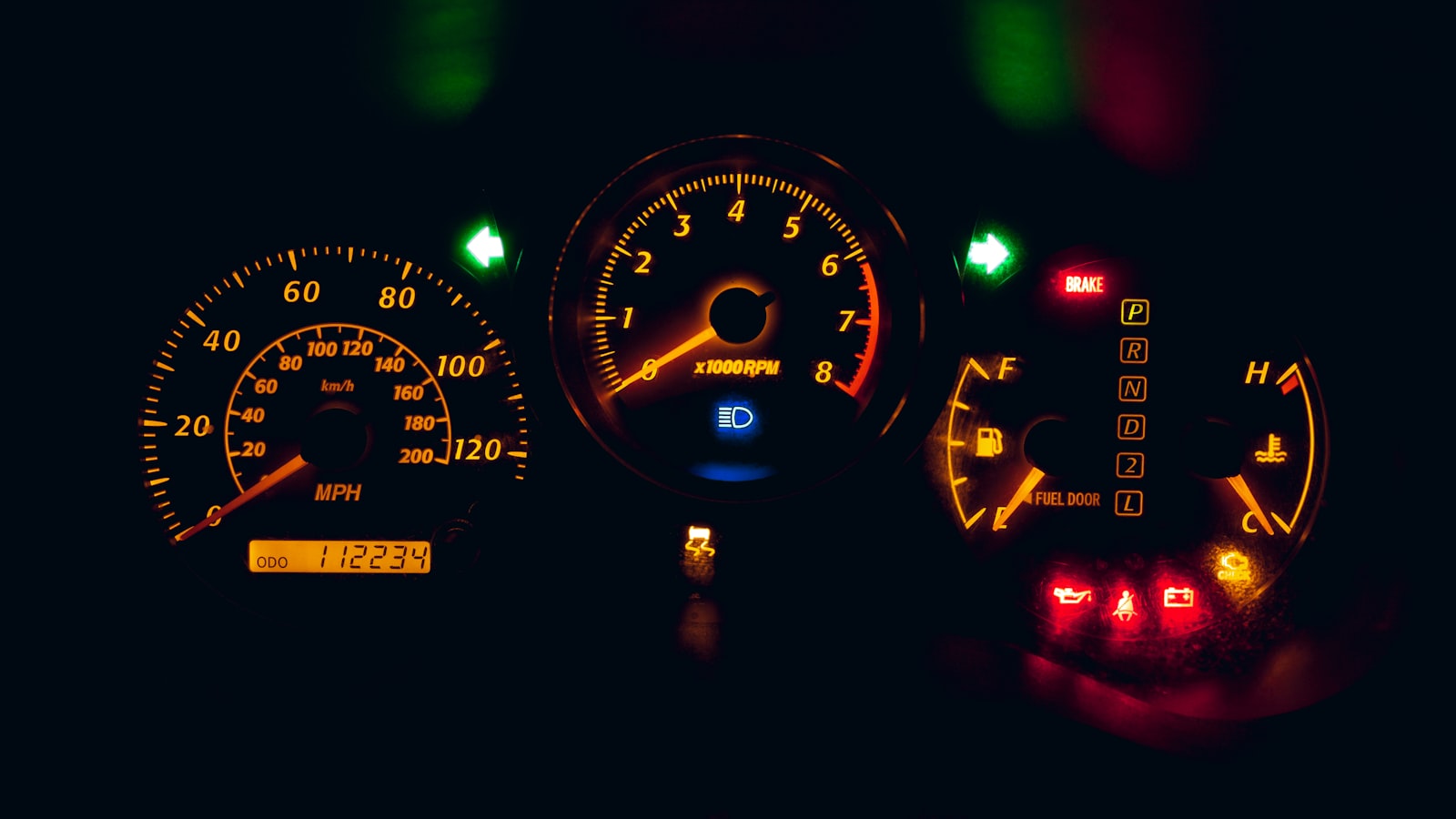
Mileage limits are not a formality. Insurers check the odometer against the declared figure when a claim is made. Consistently exceeding what you declared is the most common reason a specialist claim runs into difficulty — and it is entirely avoidable by declaring a realistic number at the outset.
Pennsylvania requirements still apply
A classic policy is still a Pennsylvania auto policy. It must carry at least 15/30/5 liability and $5,000 in medical benefits, and the vehicle must be insured before it can be registered.
The elections you make on any policy apply here too — your tort choice and your stacking choice both operate the same way. Both are covered in full tort versus limited tort and stacked versus unstacked coverage, and both bind the whole household regardless of which car is involved.
How the plates interact
Registration and insurance are separate decisions, but they point the same way. Pennsylvania’s antique, classic and collectible plates carry a usage restriction limiting the vehicle to club events, exhibits, tours, parades and occasional transportation — roughly one day a week.
That restriction is close to what a specialist insurer already expects, which is why owners commonly do both. The plate rules, fees and inspection exemptions are set out in antique, classic and collectible plates in Pennsylvania.
Keep the file current
An agreed value is a snapshot of a market on the day it was set. Classic values move, sometimes sharply, and a figure agreed three years ago may now be well short of what the car would cost to replace.
Review it annually alongside the renewal, and update the evidence when anything changes — further restoration work, a fresh appraisal, or comparable sales that have moved the market.
Extras worth asking about
- Spare parts and tools coverage — a stock of period parts can be worth insuring separately
- Coverage during restoration, for a vehicle in pieces and not yet roadworthy
- Trailer and transport cover for getting to shows
- Specialist repair provisions, so the insurer does not insist on the cheapest shop
- Automatic value increases on a rising market
When a standard policy is the right answer
Not every old car needs specialist treatment. A twenty-year-old vehicle in ordinary condition, used as ordinary transport, is exactly what a standard policy is designed for — and the mileage and storage conditions of a classic policy would simply get in the way.
The dividing line is whether the car is worth meaningfully more than its book value, and whether its use is genuinely limited. If both are true, agreed value is worth the conversation.
We shop coverage across several carriers through our insurance service in Bethlehem, and can handle the title and registration side in the same visit. Pennsylvania’s registration categories and their conditions are defined on PennDOT Form MV-11.
Frequently asked questions
What is agreed value insurance?
You and the insurer agree the vehicle’s value when the policy is written, usually supported by an appraisal and photographs. If the car is a total loss, that agreed figure is what is paid — with no depreciation argument at claim time.
Why is a standard policy a problem for a classic car?
A standard policy pays actual cash value, which values your car as an old car of its year and mileage. A restoration costing $40,000 on a vehicle with a book value of $6,000 leaves you $34,000 short after a total loss.
What conditions come with a classic policy?
Typically limited annual mileage, pleasure use rather than commuting, secure and usually enclosed storage, a minimum driver age and clean record, and another regularly used vehicle in the household. Conditions vary by insurer.
Does a classic policy still meet Pennsylvania requirements?
Yes. It must still provide at least 15/30/5 liability and $5,000 in medical benefits, and the vehicle must be insured to be registered. The specialist elements sit on top of those minimums.
Do I need antique plates to get classic insurance?
Not necessarily, and the two are separate decisions. That said, the usage restrictions attached to antique and classic plates line up closely with what specialist insurers expect, so owners frequently do both.
Is a classic policy more expensive?
Often it is cheaper, despite the higher agreed value, because the vehicle is driven very little, stored securely, and owned by someone with a strong incentive to look after it. The restrictions are what make the price work.
Restored something worth protecting?
Bring your photographs, receipts and any appraisal. We will price agreed value cover against a standard policy so you can see the difference. Hablamos Español.