
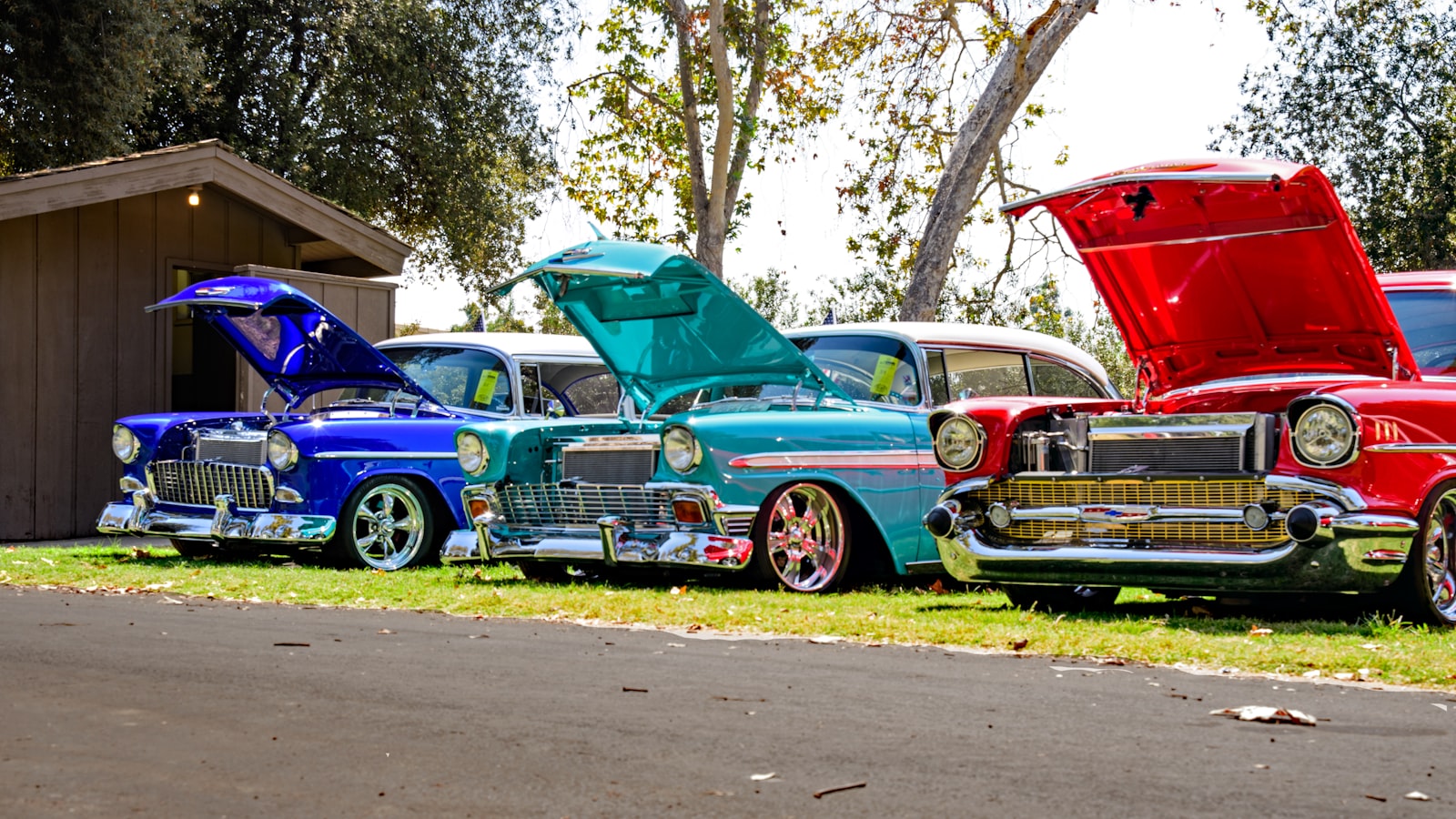
Permanent registration with no annual renewal, and an exemption from inspection — antique plates look like the best deal PennDOT offers. They come with a restriction that rules them out for most people who want them.
The three categories
Pennsylvania distinguishes between vehicles by age and by how original they remain.
| Category | Age requirement | Condition |
|---|---|---|
| Antique | Manufactured more than 25 years before the current year | Maintained in or restored to substantially original manufacturer specification |
| Classic | At least 15 years old | Close to original factory condition |
| Collectible | — | Substantial changes made to the engine or exhaust system |
| Street rod | — | Extensively modified, registered in its own category |
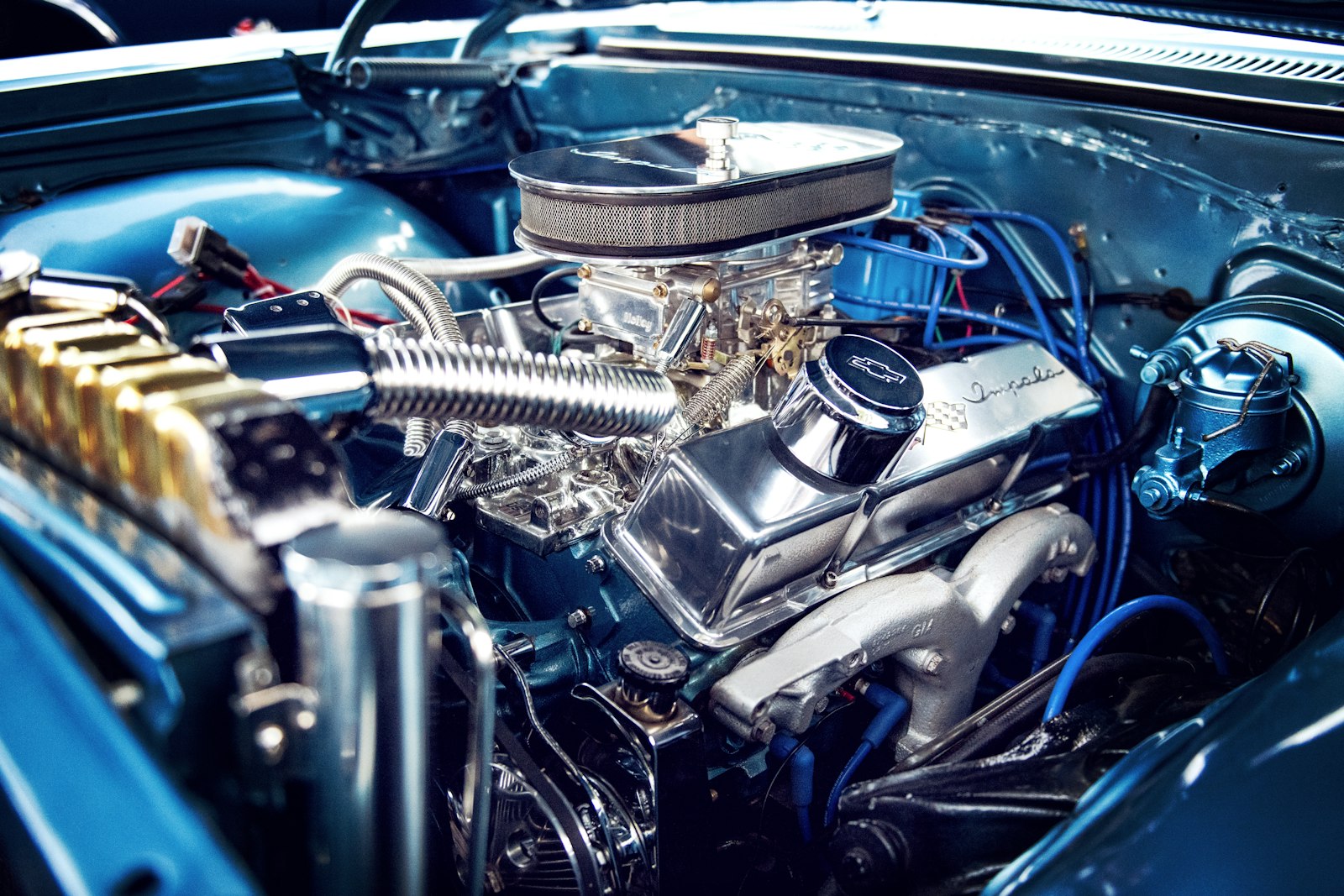
The distinction between classic and collectible turns on modification. A fifteen-year-old car kept close to factory specification is classic. Change the engine or exhaust substantially and it moves into collectible territory.
The restriction that decides it
It is unlawful to operate a vehicle displaying antique, classic, vintage, collectible or historic military registration plates for general daily transportation. Permitted use is limited to club activities, exhibits, tours, parades, occasional transportation and similar uses — understood as roughly one day a week.
This is not a guideline. It is the condition on which the reduced obligations are granted, and it is the reason these plates exist at all: the state accepts less oversight of a vehicle that is barely used.
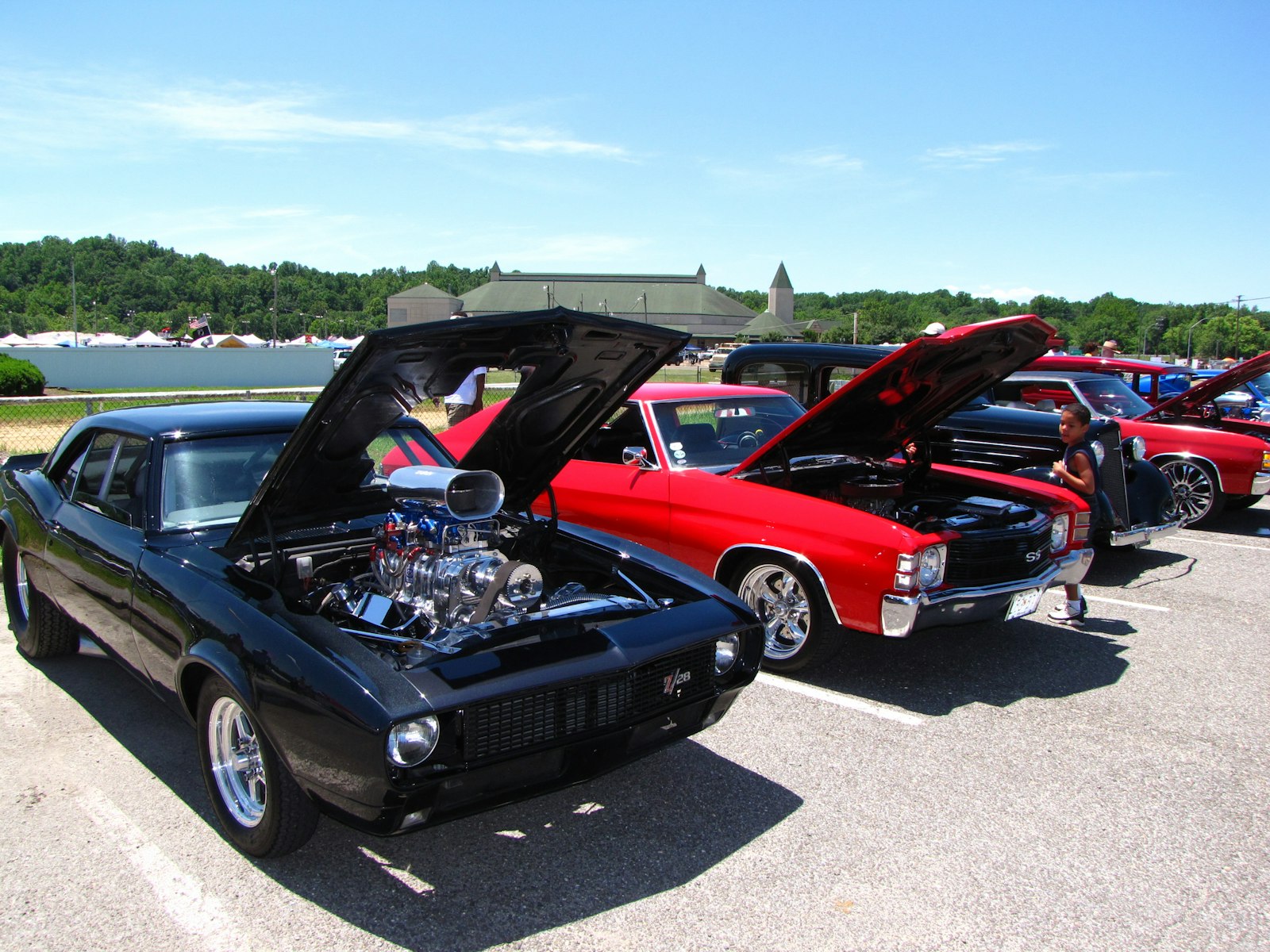
So the honest test is simple. If the car is a hobby vehicle that comes out for shows, club runs and the occasional fine Sunday, these plates fit. If it is a nice old car you would like to drive to work, they do not — and registering it this way to save money is a straightforward way to acquire a citation.
Inspection: the difference people miss
Antique and classic are not treated the same, and the gap is significant.
| Plate | Annual safety inspection | Emissions testing |
|---|---|---|
| Antique | Exempt | Exempt |
| Classic | Required | Exempt in all counties |
| Standard passenger | Required | Required in program counties |

For a Lehigh Valley owner that emissions exemption is worth having on its own, since both Lehigh and Northampton are program counties — as covered in our guide to Pennsylvania vehicle inspection.
The antique exemption from safety inspection is not an invitation to neglect the car. A vehicle in poor condition remains unlawful to operate regardless of what its plate exempts it from.
What it costs
| Plate | Fee |
|---|---|
| Antique, Classic and Collectible | $102.00 |
| Street Rod | $69.00 |
| Certificate of title, where one is issued | $72.00 |
| Standard passenger registration, one year | $48.00 |
The antique fee is a one-off rather than annual, which is where the arithmetic turns. At $48 a year for standard registration, a $102 permanent plate pays for itself in a little over two years — before counting the inspection savings.
Applying
The application is Form MV-11, the Application for Permanent Antique, Classic or Collectible Registration Plate. Permanent means what it says: once granted, there is no annual renewal.
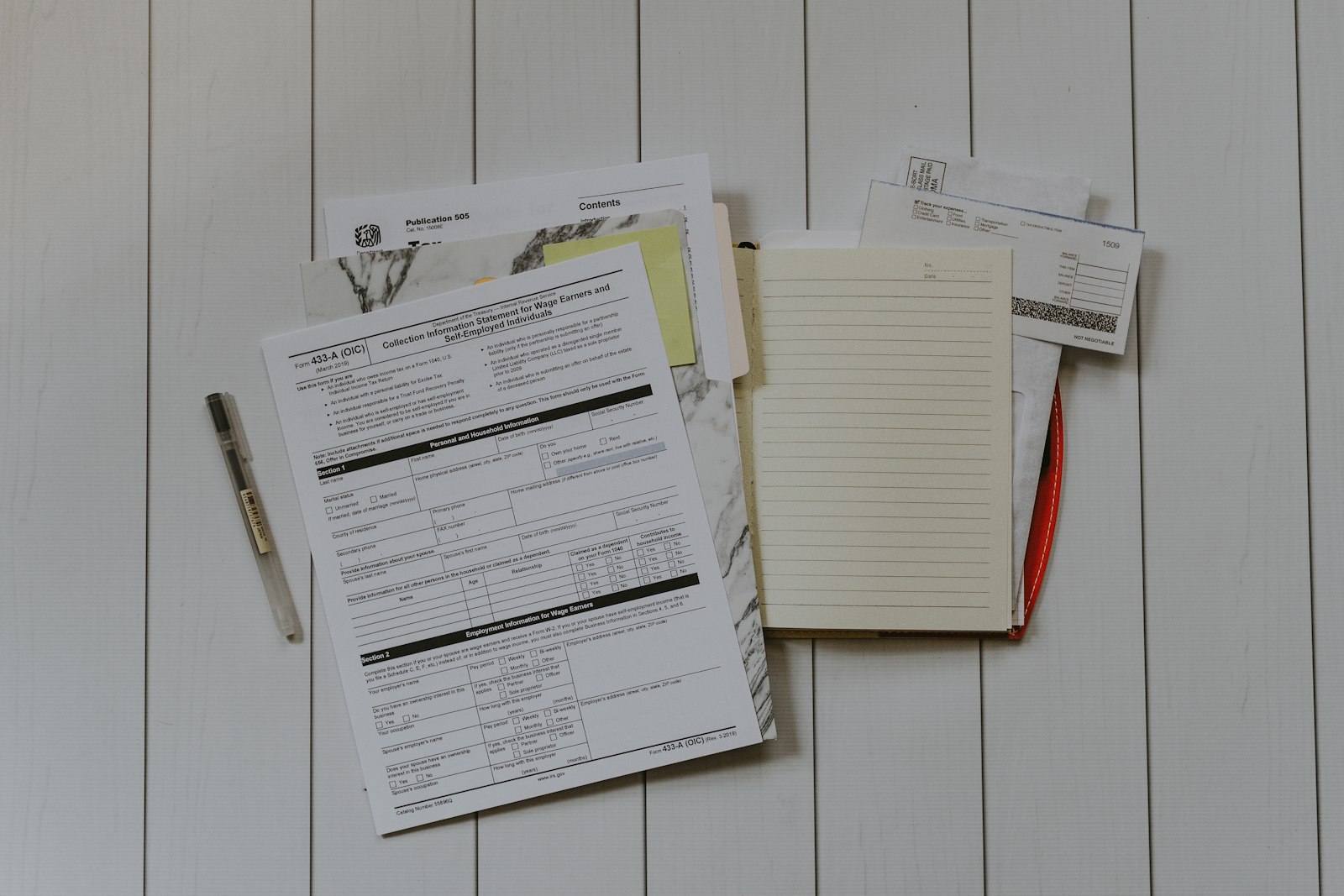
You will generally need:
- The completed MV-11
- Evidence of ownership — the certificate of title
- Proof of Pennsylvania insurance
- The registration fee
- Photographs of the vehicle, where requested
If the vehicle is not yet titled in your name, the title transfer happens first — the ordinary process set out in how to transfer a car title in Pennsylvania, with the same notarization requirement as any other transfer.
What happens if you exceed the usage limit
The restriction is enforceable, and enforcement is not theoretical. An officer who sees an antique-plated vehicle in a commuter queue at eight on a Tuesday morning has a reasonable basis to ask questions.
The immediate consequence is a citation. The longer-term one is worse: a vehicle registered on a basis that does not match how it is used has a registration open to challenge, and an insurer told it was a hobby vehicle may take an interest in the discrepancy after a claim.
There is no partial version of these plates. If the car needs to do the school run, register it normally, pay the $48 and take the inspection. The saving is not worth an argument with a claims adjuster.
Insurance is its own decision
These plates change the registration, not the coverage. A standard auto policy values an older vehicle at actual cash value, which for a restored car is frequently a fraction of what was spent on it.
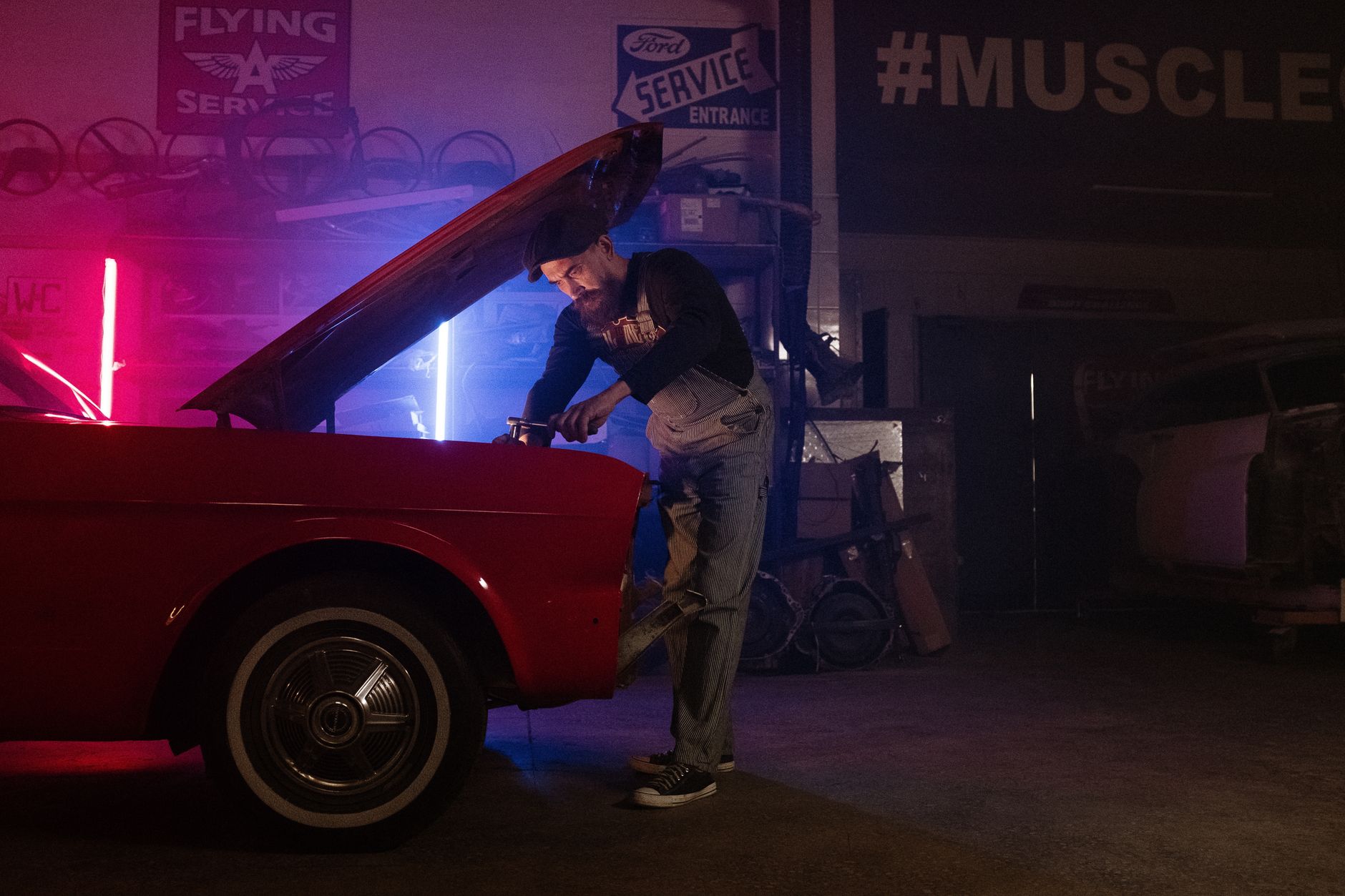
Specialist classic policies work differently, and the usage restriction that comes with the plate lines up neatly with what those insurers expect. That is covered separately in insuring a classic or antique car in Pennsylvania.
Is it worth it?
| Your situation | Suitable? |
|---|---|
| Show car, driven a handful of times a year | Yes — clearly |
| Weekend hobby car, club member | Yes |
| Second car used for occasional errands | Borderline — watch the usage limit |
| Older car used for commuting | No |
| Only vehicle in the household | No |
We process antique, classic and collectible registrations alongside ordinary plate and title work through our PennDOT agent services in Bethlehem. The governing rules sit in 67 Pa. Code Chapter 67, Antique and Classic Vehicles.
Frequently asked questions
What qualifies as an antique vehicle in Pennsylvania?
A motor vehicle manufactured more than 25 years prior to the current year, which has been maintained in or restored to a condition substantially in conformance with manufacturer specifications.
What is the difference between antique and classic plates?
Antique applies to vehicles more than 25 years old. Classic plates are available for cars and motorcycles at least 15 years old that remain close to original factory condition. The inspection treatment also differs — antique vehicles are exempt from annual safety inspection, classic vehicles are not.
Can I drive daily on antique or classic plates?
No. It is unlawful to operate a vehicle displaying antique, classic, vintage, collectible or historic military plates for general daily transportation. Permitted use covers club activities, exhibits, tours, parades and occasional transportation — understood as roughly one day a week.
How much do antique and classic plates cost in PA?
The antique, classic and collectible registration plate fee is $102.00, in addition to the $72.00 certificate of title fee where a title is being issued. Street rod registration is $69.00. Personalized versions cost more.
Do I have to renew the registration each year?
No. Form MV-11 is an application for permanent antique, classic or collectible registration, so there is no annual renewal once it is granted. That is one of the main attractions of these plates.
Does a classic car still need emissions testing?
Vehicles with classic plates are exempt from emissions testing in all counties, but still require the annual safety inspection. Vehicles with antique plates are exempt from the safety inspection as well.
Registering a hobby car?
We handle antique, classic and collectible applications along with the title work — and we will tell you honestly if the usage limit does not suit how you drive it. Hablamos Español.