
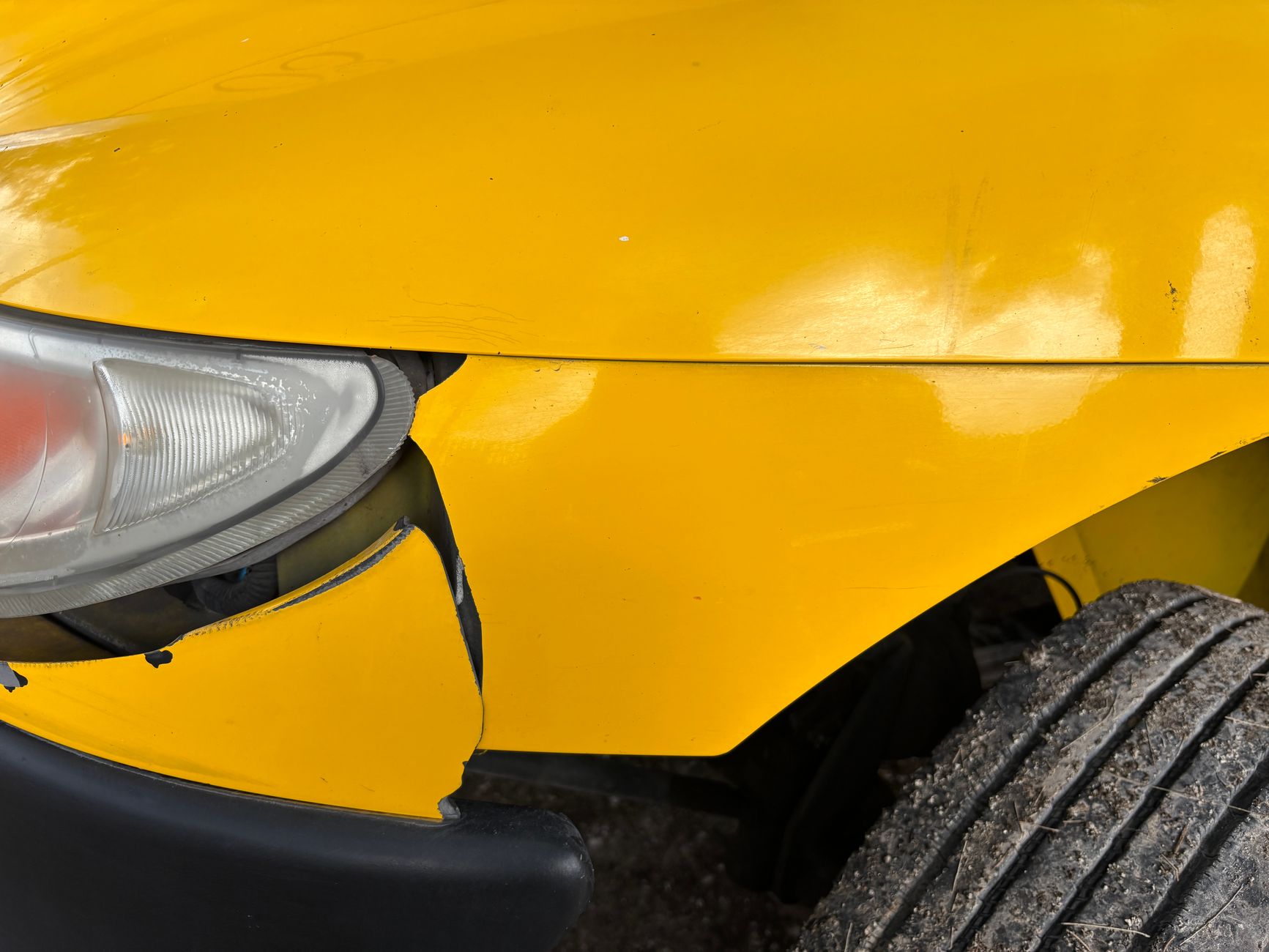
“Totaled” sounds like a description of the wreckage. It is not — it is an accounting decision, and in Pennsylvania it is made by a formula rather than by how bad the car looks.
How Pennsylvania decides
Many states use a fixed percentage: repairs above, say, 75% of value and the vehicle is written off. Pennsylvania does not work that way.
Pennsylvania applies a total loss formula: a vehicle is a total loss when the cost to repair it, plus its salvage value, equals or exceeds its pre-loss actual cash value.
| Element | What it means |
|---|---|
| Cost to repair | The full estimate to return the vehicle to pre-loss condition |
| Salvage value | What the damaged vehicle is worth to a salvage buyer |
| Actual cash value | What the vehicle was worth immediately before the loss |
| The test | Repairs + salvage ≥ actual cash value = total loss |
In practice most insurers also apply internal thresholds, commonly somewhere around 70% to 75% of value, at which they stop repairing regardless. The formula is the legal framework; the internal threshold is what usually triggers the decision.
This is why an apparently repairable car gets written off. On an older vehicle with modest value, a damaged airbag module, a bent structural member, or a few hundred dollars of paint can push the arithmetic over the line. The metal is fine. The maths is not.
Actual cash value is the number that matters
Everything in a total loss settlement turns on actual cash value — and it is three things it is frequently mistaken for.
| Not this | Why |
|---|---|
| What you paid for it | Irrelevant, however recently |
| What you owe on it | The loan is between you and the lender |
| What a dealer would ask for it | Retail asking price is not market value |
| What it would cost to replace with something newer | The standard is a comparable vehicle |
Actual cash value is what it would cost to replace your vehicle with a comparable one — same year, make, model, mileage, options and condition — in your local market.
Where valuations go wrong
Insurers establish value using a valuation report built from comparable vehicles. Those reports are automated, and automated things miss context.
- Comparables from the wrong market. Vehicles two hundred miles away in a cheaper region.
- Mileage mismatch. Your low-mileage car compared against average-mileage examples.
- Missing options. Trim levels, towing packages, all-wheel drive, upgraded systems.
- Condition not credited. A genuinely well-kept vehicle rated as average.
- Recent work ignored. New tyres, a new transmission, a timing belt done last month.
Ask for the valuation report. You are entitled to see how the figure was reached, and reading it is the only way to know whether it is defensible.
Negotiating it

- Request the valuation report and read every comparable it used.
- Find genuinely comparable local listings — same year, similar mileage, same trim, within a sensible radius.
- Document condition with photographs taken before the loss if you have them.
- Produce maintenance records. Recent significant work is real value.
- List the options the report omitted.
- Put it in writing, politely, with the evidence attached.
The first offer is an opening position, not a verdict. A settlement supported by better evidence than the automated report is a reasonable thing to ask for.
What happens to the vehicle
Normally the insurer takes it, and the title moves to them as part of the settlement. The vehicle goes onto a salvage certificate and is sold to a salvage buyer.
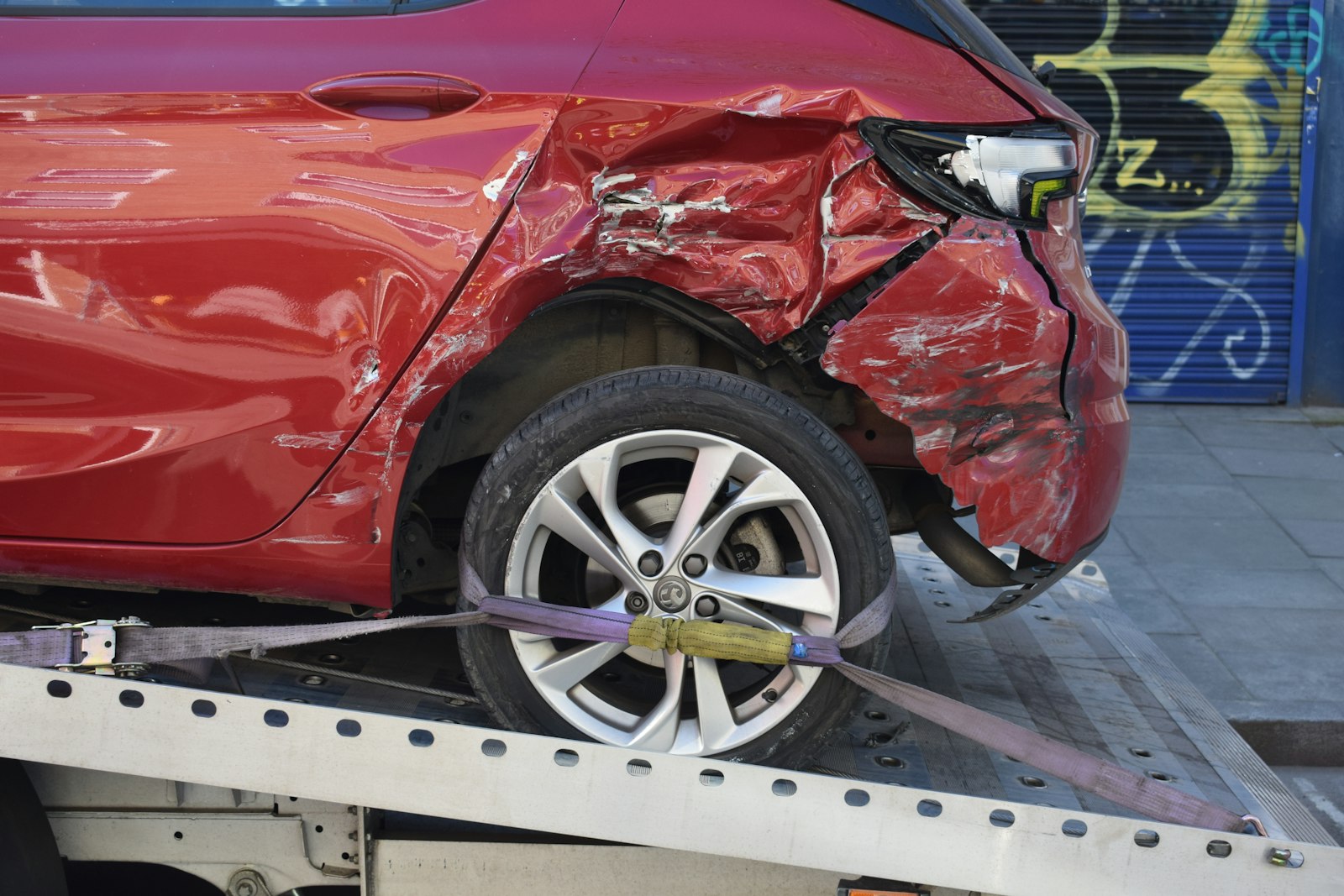
You can usually ask to retain the salvage instead. The insurer then deducts the salvage value from your settlement and you keep the car — on a salvage certificate, which means it cannot be registered or driven until it has been repaired, passed an enhanced inspection and been retitled. That process is set out in salvage and reconstructed titles in Pennsylvania.
Retaining salvage makes sense for a keen mechanic with a straightforward repair. It rarely makes sense for anyone else, because a branded title permanently reduces the vehicle’s value and narrows who will insure it.
If you owe more than it is worth
The settlement pays actual cash value. Your lender is owed the loan balance. When the second number is larger, the difference is yours.

This is exactly what gap coverage exists for, and it is inexpensive — but only if it was purchased before the loss. Our guide to insuring a car you have just bought covers when it is worth adding.
The costs of replacing the car
A settlement covers the vehicle. It does not cover the transaction costs of buying another one.
| Item | Amount |
|---|---|
| Sales tax on the replacement | 6% of the purchase price |
| Certificate of title | $72.00 |
| Registration, one year | $48.00 |
| Plate transfer, if you kept your plate | $11.00 |
| Lien recording, if financed | $36.00 |

Transferring your existing plate rather than taking a new registration is the easy saving here — see how to transfer a license plate. The full picture is in our title transfer cost breakdown, and we can handle the title, tax and plates in one visit through our Bethlehem title transfer service.
For general guidance on how auto claims are settled, the National Association of Insurance Commissioners publishes consumer material.
Frequently asked questions
What is the total loss threshold in Pennsylvania?
Pennsylvania does not use a fixed percentage. It applies a total loss formula: a vehicle is a total loss when the cost to repair it plus its salvage value equals or exceeds its pre-loss actual cash value. In practice most insurers apply internal thresholds around 70% to 75% of value.
What is actual cash value?
It is what your vehicle was worth immediately before the loss — the replacement cost of a comparable vehicle of the same year, make, model, mileage and condition in your local market. It is not what you paid, and it is not what you owe.
Can I dispute the insurer’s valuation?
Yes. Ask for the valuation report showing the comparable vehicles used, check them against genuinely similar local listings, and provide evidence of condition, options, recent maintenance or low mileage that the report missed.
Can I keep my totaled car?
Usually you can ask to retain the salvage. The insurer deducts the salvage value from the settlement and the vehicle moves onto a salvage certificate, which means it cannot be driven until it is repaired and retitled.
What if I owe more than the car is worth?
The settlement pays actual cash value, not your loan balance, and you remain responsible for the difference. Gap coverage exists specifically to close that shortfall and is inexpensive when purchased in advance.
Do I pay sales tax again on the replacement?
Yes. Buying a replacement vehicle is a new purchase, so Pennsylvania’s 6% sales tax applies to it along with the title and registration fees.
Replacing a written-off car?
We can insure the replacement and handle the title, sales tax and plates in the same visit — and check whether your plate should transfer. Hablamos Español.