
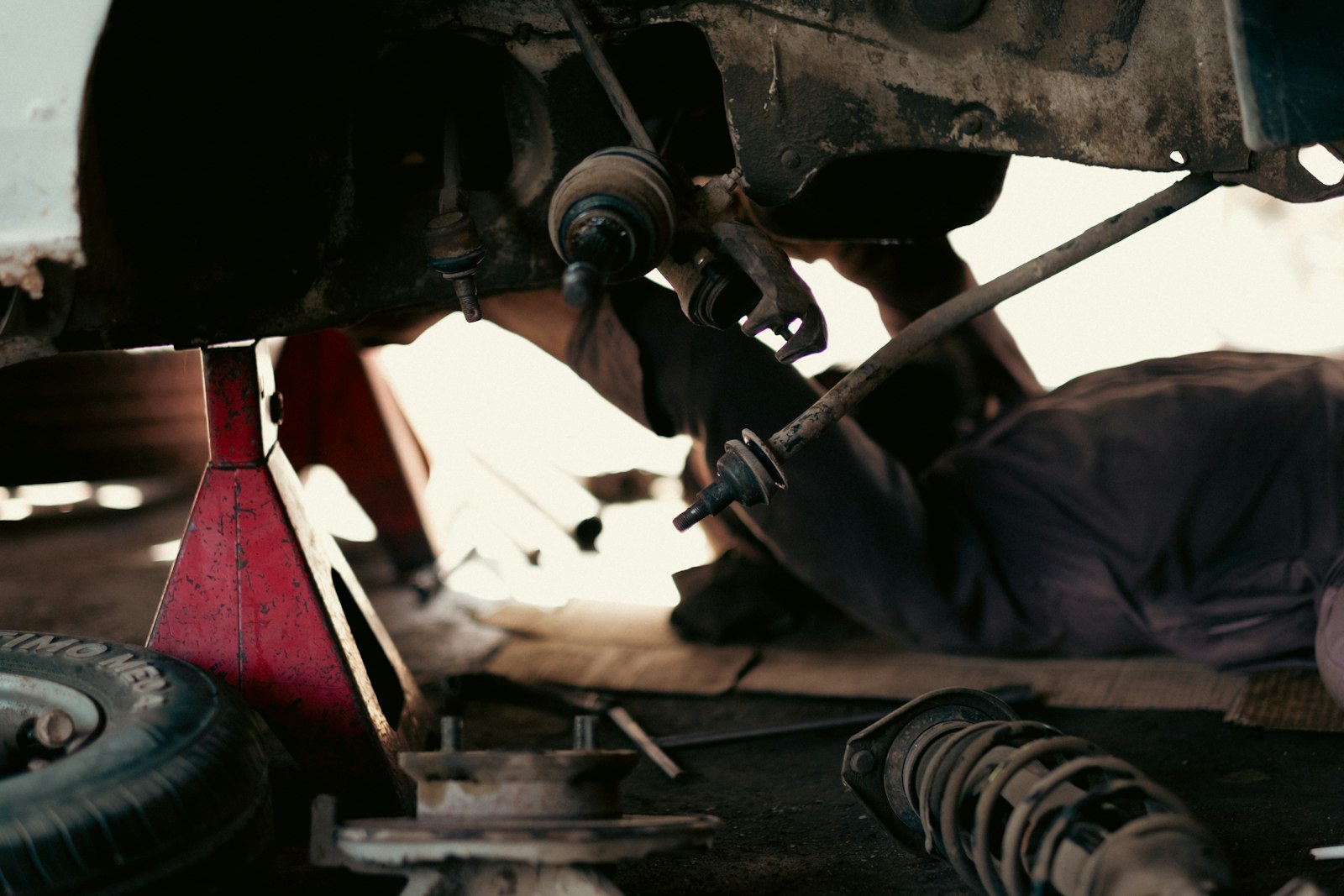
A salvage title looks like a bargain and behaves like a project. Pennsylvania has a defined route from salvage to legally registered, but it runs through a specialist inspection most people do not know exists — and it leaves a permanent mark on the vehicle.
What makes a vehicle salvage
A salvage certificate replaces an ordinary title when a vehicle is written off. In Pennsylvania that covers several situations:
- Total loss — the insurer decided repair costs exceeded the vehicle’s value
- Flood damage
- Fire damage
- Recovered theft with significant damage
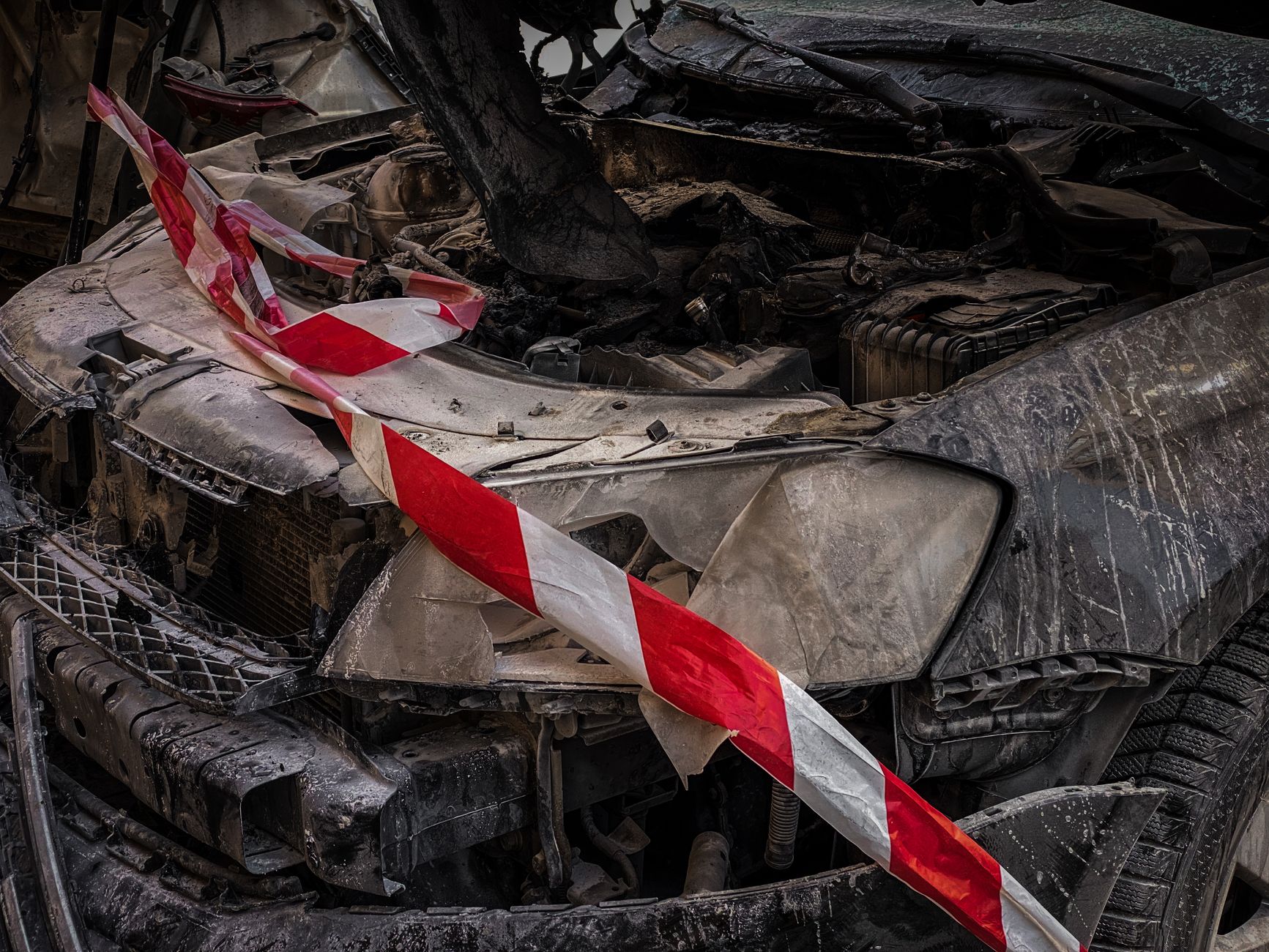
Total loss is an economic judgement, not a verdict on the metal. On an older car with a low book value, moderate damage can exceed the threshold. That is why some salvage vehicles are genuinely repairable and others should never return to the road — and why the inspection exists.
A vehicle holding a salvage certificate cannot be registered or driven on the road. It can be bought, sold, towed and repaired, but not used, until it is retitled.
The route back to the road
| Step | What happens | Where |
|---|---|---|
| 1. Acquire the vehicle | Title transfers on the salvage certificate | Notary / authorized agent |
| 2. Repair it | Structural and safety repairs completed | Your choice of shop |
| 3. Keep documentation | Receipts for major components retained | — |
| 4. Enhanced inspection | Repairs examined, vehicle photographed | Enhanced-certified station only |
| 5. Complete Form MV-426B | Inspector completes part of the form | At the inspection |
| 6. Title application | Reconstructed title issued, plates available | Authorized PennDOT agent |
The enhanced inspection
This is the part that catches people out. An enhanced inspection is not a normal state safety inspection, and not every inspection station may perform one — only those holding special enhanced certification from PennDOT.
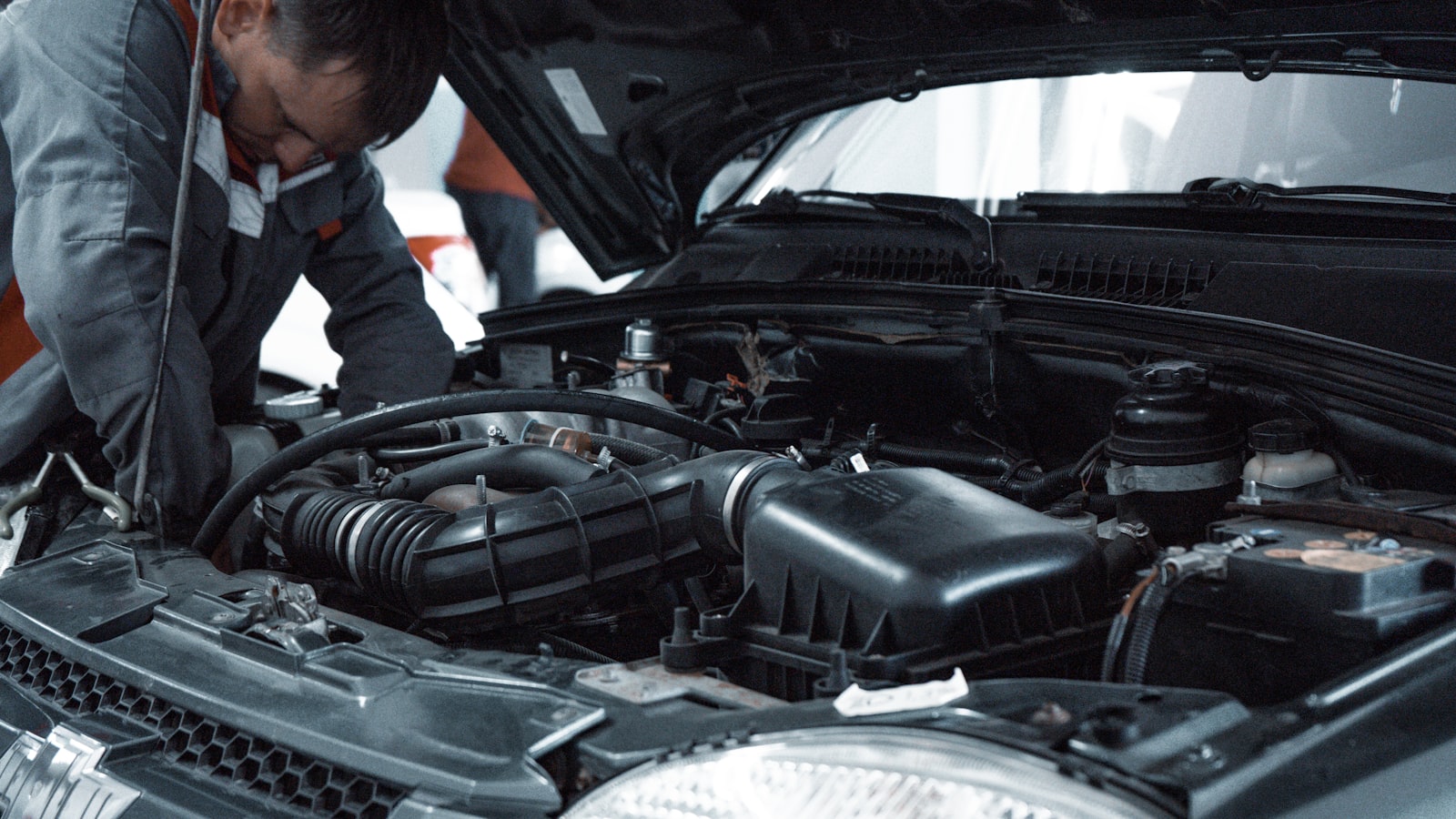
The inspector examines the repairs against the damage the vehicle sustained, photographs the vehicle, and reviews the documentation you present in support of titling it. This is a considerably more searching process than the annual sticker check.
Call ahead and confirm a station is enhanced-certified before arranging transport. A non-runner towed to the wrong garage is an expensive lesson.
Form MV-426B
The application carries a long title — Application for Reconstructed, Specially Constructed, Collectible, Modified, Flood, Recovered Theft Vehicles and Street Rods — because one form covers all of those categories.
You complete your portion; the enhanced inspector completes theirs at the inspection. Both parts have to be right before a reconstructed title will issue.
One useful exception. If the vehicle arrives in Pennsylvania on an out-of-state title that is already branded — rebuilt salvage, reconstructed, previously salvaged — you are not required to document the components repaired or replaced, nor produce parts receipts. The brand has already been applied elsewhere.
The brand is permanent
Once a title is branded, it stays branded. A reconstructed vehicle carries that designation on its title and in its history for the rest of its life, and moving it to another state does not clear it.
That matters in three practical ways.
| Area | Effect |
|---|---|
| Resale value | Typically well below a comparable clean-title vehicle |
| Buyer pool | Many private buyers and most dealers will not take one |
| Insurance | Some carriers restrict or decline comprehensive and collision |
| Financing | Many lenders will not finance a branded vehicle |
| Trade-in | Frequently refused outright |
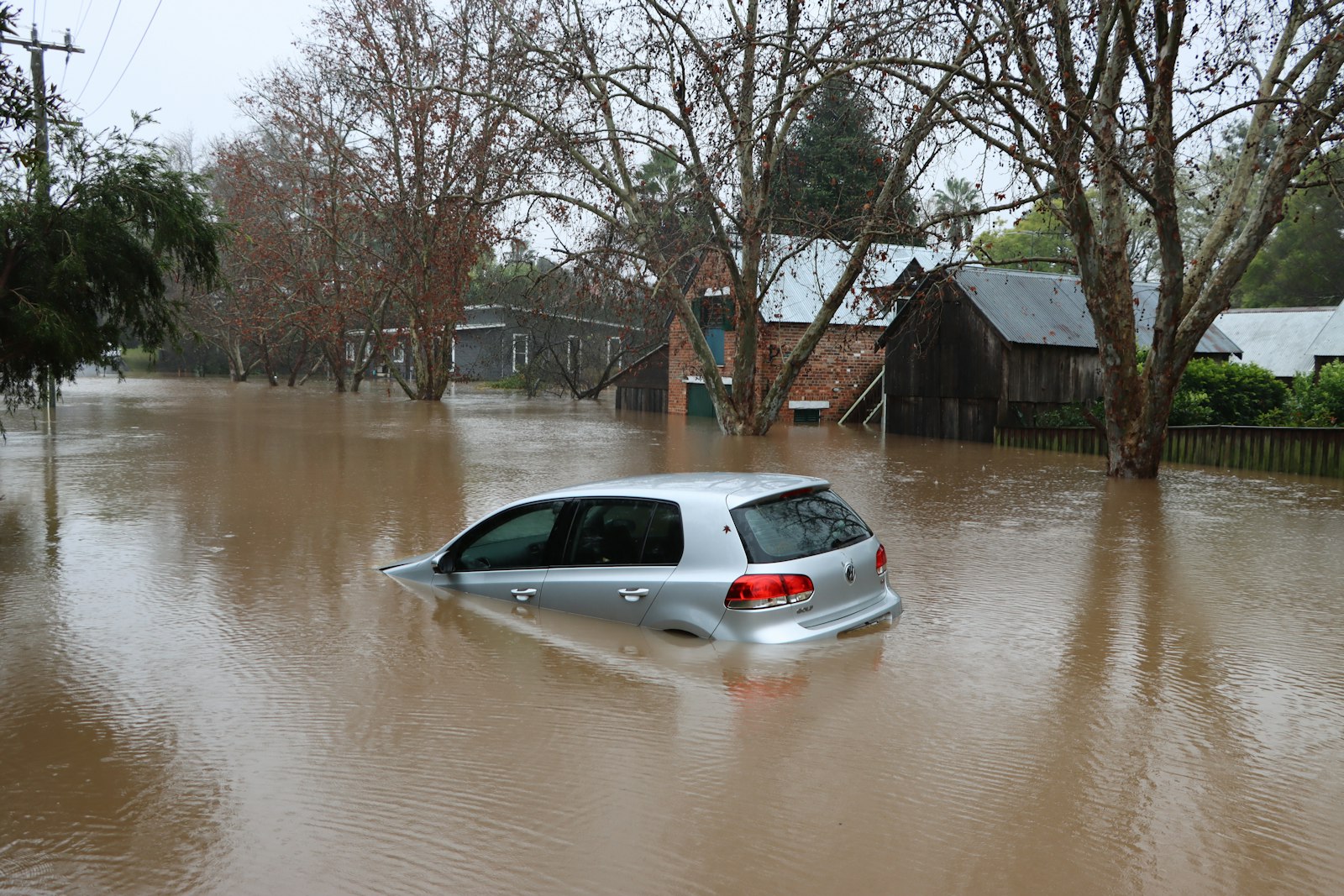
Flood vehicles are their own problem
Of the ways a vehicle earns a salvage brand, flood is the one that ages worst. Collision damage is visible and finite — a bent structure is either straightened correctly or it is not. Water spreads everywhere and keeps working afterwards.
Corrosion appears in wiring looms and connectors months later, electronic modules fail intermittently, and the faults are notoriously hard to diagnose because they move around. A car that drives well on a test drive can develop persistent electrical problems through its first winter.
Pennsylvania brands flood vehicles specifically so buyers can see it. Treat that brand as a different category from a repaired collision, and price it accordingly.
If you are buying one
Rebuilt vehicles can be sound purchases, and they can be catastrophes wearing fresh paint. The difference is usually visible in the documentation.
- Read the title. The brand is printed on it. If a seller describes a car as clean and the title says otherwise, that is the conversation over.
- Run the VIN. The brand follows the vehicle, not the paperwork in front of you.
- Ask what the original damage was. Cosmetic and flood damage are different worlds.
- Ask to see the repair documentation and the enhanced inspection paperwork.
- Get an independent inspection — genuinely non-negotiable here.
- Confirm insurance before you commit, since coverage is not guaranteed.
The rest of the buying process is unchanged: the title still needs notarizing, sales tax is still 6%, and plates still need issuing. Our private-seller checklist and cost breakdown both apply.
If you are selling one
Disclose the brand plainly and early. It is on the title, so a buyer will discover it at the notary if not before — and a sale that collapses at the counter wastes everyone’s afternoon.
Price it accordingly, keep the repair and inspection paperwork together, and expect a smaller pool of buyers who will nonetheless pay fairly for a well-documented car. Our seller checklist covers the rest.
We process reconstructed title applications and the transfer that follows through our PennDOT agent services in Bethlehem. PennDOT publishes the procedure in its Reconstructed Vehicle Titling Procedure fact sheet.
Frequently asked questions
What is a salvage title in Pennsylvania?
A salvage certificate is issued when a vehicle is a total loss, flood damaged, fire damaged, or a recovered theft with significant damage. A vehicle on a salvage title cannot be registered or driven on the road until it has been repaired and retitled.
How do I turn a salvage title into a reconstructed title?
Repair the vehicle, then take it and the salvage certificate to an enhanced inspection station with Form MV-426B. The enhanced inspector examines the repairs, photographs the vehicle, and reviews your supporting documentation before the reconstructed title can be issued.
Can any garage do the inspection?
No. Enhanced inspections may only be performed at stations holding special enhanced certification from PennDOT. An ordinary safety inspection station cannot do it, so call ahead and confirm before towing the vehicle anywhere.
Does the salvage brand ever come off?
No. Once a vehicle has been branded, the reconstructed designation stays on its title and its history permanently. It cannot be washed off by moving the car to another state.
Do I need parts receipts?
For a Pennsylvania salvage vehicle you are documenting the repairs, so keep receipts for major components. If the vehicle arrives on an out-of-state title that is already branded, you are not required to document components repaired or provide parts receipts.
Is it harder to insure a rebuilt car?
Often, yes. Liability coverage is usually straightforward, but some carriers restrict or decline comprehensive and collision on a branded vehicle, and valuations after a loss are lower. Confirm coverage before you buy, not after.
Rebuilding a salvage vehicle?
Bring the salvage certificate and your inspection paperwork and we will handle the reconstructed title, plates and registration. Call first with questions. Hablamos Español.