

Renters insurance is the cheapest policy most people will ever buy and the one they are most likely to skip. The usual reason is a belief that turns out to be wrong: that the landlord’s insurance covers you.
It does not. It covers the landlord.
What your landlord’s policy actually covers
| Item | Landlord’s policy | Your renters policy |
|---|---|---|
| The building structure | Yes | No |
| Roof, plumbing, wiring | Yes | No |
| Your furniture and electronics | No | Yes |
| Your clothing and personal items | No | Yes |
| Damage you cause to the unit | No | Yes, via liability |
| A guest injured in your apartment | No | Yes, via liability |
| Somewhere to stay if the unit is unliveable | No | Yes, loss of use |
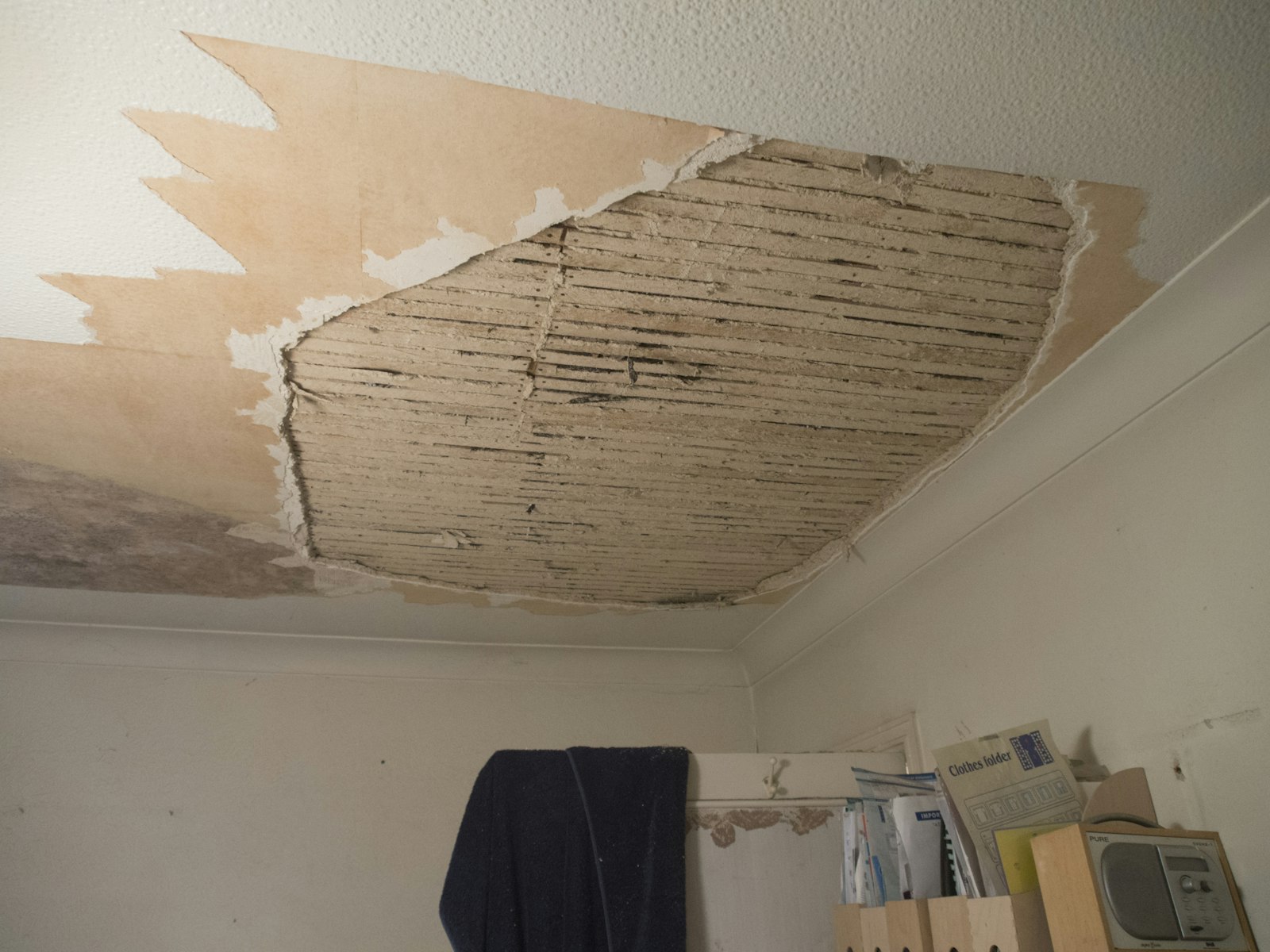
The split is clean and it surprises people every time. If a pipe bursts in the wall, the landlord repairs the wall and the pipe. Everything of yours that got soaked is your problem.
Add up what you actually own
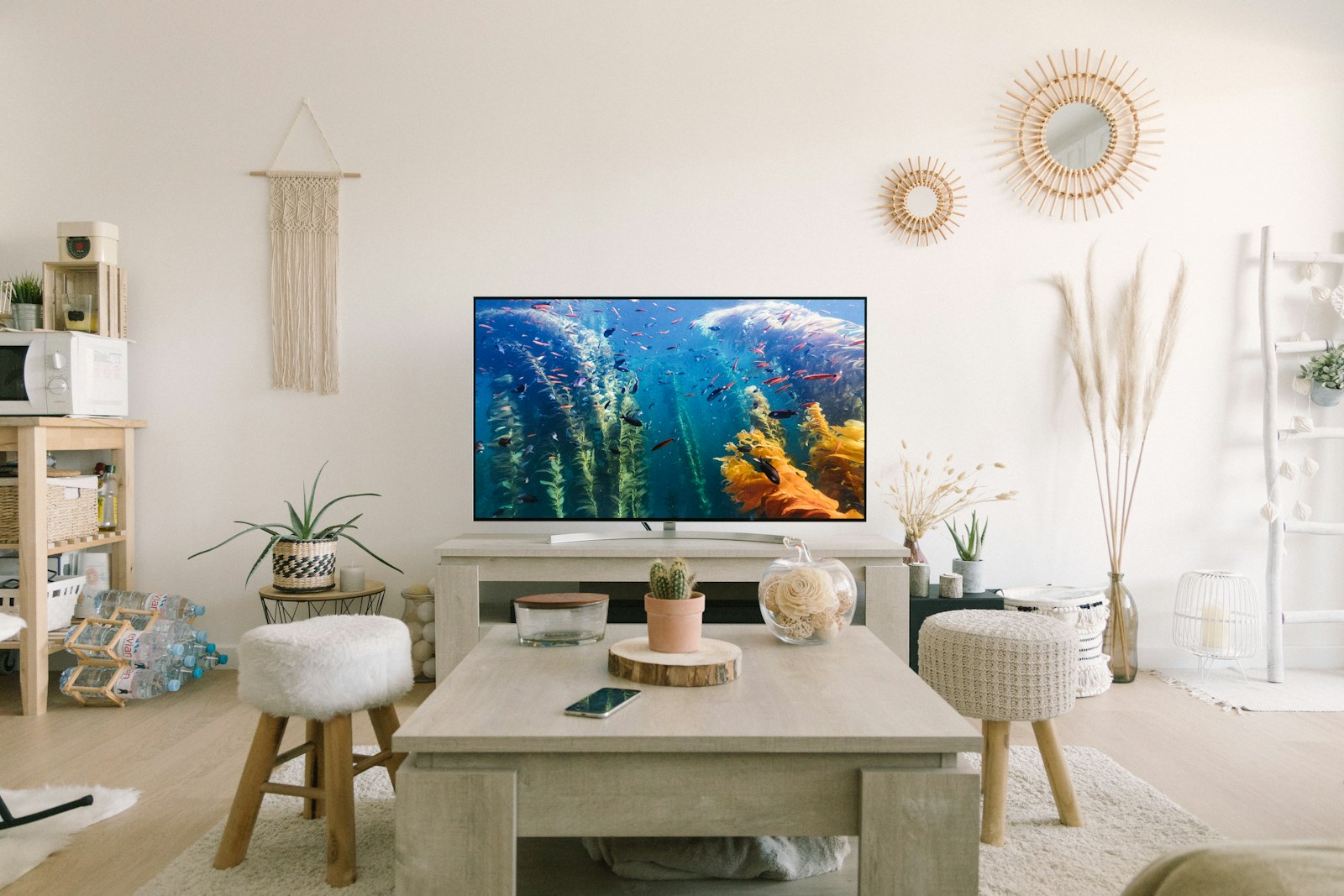
Most renters underestimate their belongings by a wide margin, because nobody thinks of it as a total. Walk through the rooms and count.
A television, a laptop, a phone, a bed, a sofa, a table, kitchen equipment, a wardrobe of clothes, a bicycle, tools, and whatever is in the wardrobe you have not opened since you moved in. For most people it lands somewhere between $15,000 and $30,000 — considerably more than they would guess.
The part that matters more than your belongings
Personal property is why people buy renters insurance. Liability is why they should.
If a guest is injured in your apartment, if your dog bites someone, or if you leave a tap running and flood the unit below, you are personally responsible. A standard renters policy includes liability coverage — commonly $100,000 or more — that stands between you and that claim.
Your belongings are replaceable and finite. A liability claim is neither, and it does not care what your annual income is.
What a Pennsylvania renters policy covers
| Coverage | What it does | Typical limit |
|---|---|---|
| Personal property | Replaces your belongings after a covered loss | $15,000–$50,000 |
| Personal liability | Injury or damage you are responsible for | $100,000–$300,000 |
| Medical payments to others | Minor injuries to guests, regardless of fault | $1,000–$5,000 |
| Loss of use | Hotel and meals if the unit becomes unliveable | Percentage of property limit |
| Off-premises property | Belongings stolen away from home | Usually a reduced limit |
What it does not cover
- Flooding from outside. Rising water is excluded everywhere in Pennsylvania and needs a separate flood policy.
- Earthquake and earth movement. Excluded without an endorsement.
- Your roommate’s belongings, unless they are named on the policy.
- Your car and anything bolted into it. That is auto insurance — though items stolen from the car are usually covered by renters.
- Damage from neglected maintenance you were responsible for reporting.
- High-value jewellery, art or collectibles above a sub-limit, without a scheduled endorsement.
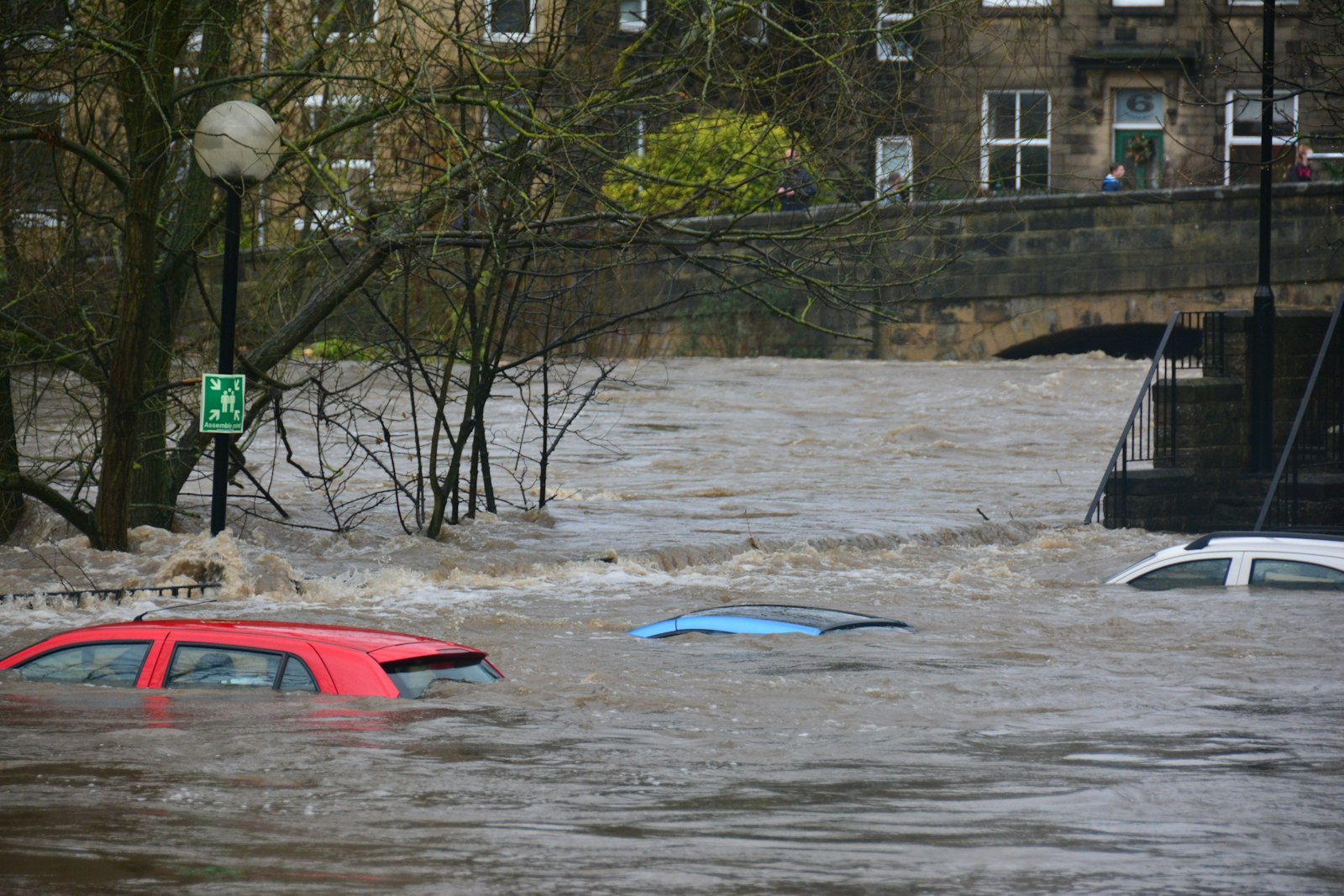
Flood is worth a specific thought in the Lehigh Valley. Proximity to the Lehigh and Delaware rivers means flood risk is not theoretical for every address here. Flood coverage is separate from both renters and homeowners policies — ask about it rather than assuming.
What it costs
Renters insurance is inexpensive because the insurer is not on the hook for a building. Most Pennsylvania tenants pay somewhere between $12 and $25 a month.
| Factor | Effect |
|---|---|
| Coverage limit on personal property | The largest single driver |
| Replacement cost versus actual cash value | Replacement cost adds a little, and is worth it |
| Deductible | A higher deductible lowers the premium |
| Bundling with auto insurance | Often the biggest available discount |
| Building age, and whether it has alarms or sprinklers | Modest effect |
| Claims history | Modest effect |

Roommates, students and leases
A renters policy covers the people named on it. Your roommate’s belongings are not covered by your policy, and yours are not covered by theirs.
Roommates can sometimes be added to a single policy, but many insurers prefer separate policies for unrelated tenants — and separate policies avoid an awkward conversation about whose claim it is when something happens.
Students living away at college are often covered under a parent’s homeowners policy at a reduced limit, but the conditions vary by insurer and by whether the student is a dependant. It is worth a specific question rather than an assumption, particularly with Lehigh, Moravian, Muhlenberg and Lafayette all within a short drive.
Replacement cost is the setting to get right
Actual cash value pays what an item is worth now. A five-year-old laptop has almost no cash value, so a claim returns almost nothing.
Replacement cost pays what a new equivalent costs. The difference in premium is small and the difference at claim time is enormous. If you change one thing on a quote, change this.
Bundling usually pays for it
Multi-policy discounts are among the largest available in personal insurance, and the discount applied to an auto policy frequently exceeds the entire renters premium. It is one of the rare situations where adding a policy can reduce what you pay overall.

We shop renters and auto together across several carriers — including American National and Bristol West — through our insurance service in the Lehigh Valley. If you also drive, our guide to Pennsylvania’s minimum car insurance requirements covers the auto side, and full tort versus limited tort explains the election that affects your whole household.
The Insurance Information Institute publishes a neutral overview of how renters coverage is structured.
Frequently asked questions
Is renters insurance required in Pennsylvania?
Not by state law. Landlords may require it as a condition of the lease, and many in the Lehigh Valley now do. Even where it is optional, the liability portion alone usually justifies the cost.
Doesn’t my landlord’s insurance cover my things?
No. Your landlord’s policy covers the building and their liability as the owner. It does not cover your furniture, electronics, clothing, or anything else you brought with you.
How much does renters insurance cost in Pennsylvania?
For most tenants it runs somewhere in the range of $12 to $25 a month, depending on coverage limits, deductible, location, and whether you bundle it with auto. It is one of the cheapest policies available.
Does renters insurance cover water damage?
It typically covers sudden and accidental water damage — a burst pipe, an overflowing appliance, a leak from the unit upstairs. It does not cover flooding from outside, which requires separate flood coverage.
Am I covered if something is stolen outside my apartment?
Usually yes. Personal property coverage generally follows your belongings away from home, including items taken from your car or while travelling, subject to your policy limits and deductible.
What is replacement cost versus actual cash value?
Actual cash value pays what your item is worth today, after depreciation. Replacement cost pays what it costs to buy a new equivalent. Replacement cost costs a little more and is worth it — a five-year-old laptop has almost no cash value.
Renting in the Lehigh Valley?
A renters quote takes a few minutes and usually costs less per month than a takeaway. We will price it alongside your auto policy to find the bundle discount. Hablamos Español.