
A private sale is usually the cheapest way to buy a used car in Pennsylvania. It is also the one where every piece of the paperwork risk lands on you — there is no dealer standing behind the transaction, and no finance office catching mistakes.
The good news is that the risky parts are predictable. Work through them in this order and a private purchase is straightforward.
Before you go and look
Two checks take five minutes and eliminate most bad listings before you waste a Saturday.
Ask the seller for the vehicle identification number up front. A seller who will not share the VIN is telling you something. With it, you can run a free recall lookup and buy a history report before committing to anything.
Ask directly whether they hold the title, whether it is in their name, and whether there is a lien on it. Those three answers determine whether a sale is even possible.
The most common private-sale problem in Pennsylvania is a title that is not in the seller’s name. If the person selling the car is not the person printed on the title, they cannot legally transfer it to you — no matter how the car got into their possession.
What to check in person
| Check | What you are looking for | Deal-breaker? |
|---|---|---|
| VIN on dash matches the title | Identical, digit for digit | Yes — walk away |
| Name on title matches seller’s ID | Exact match | Yes — walk away |
| Lien section of the title | Blank, or a lien release in hand | Yes, without a release |
| Title is unaltered | No cross-outs, no correction fluid | Yes — the title is void |
| Odometer reading | Matches the title and the listing | Investigate before proceeding |
| Current inspection sticker | Unexpired | No, but budget for it |
| Open safety recalls | None outstanding | No, but get them fixed free |

Free recall lookups by VIN are available from the National Highway Traffic Safety Administration. Outstanding recall work is repaired at no cost by a franchised dealer, so a recall is leverage rather than a reason to walk.
Get a pre-purchase inspection
For anything over a couple of thousand dollars, pay an independent shop to look at the car before you buy. Expect to spend around $100 to $150.
A seller who refuses a pre-purchase inspection has effectively answered every question you were going to ask. That refusal is the single most useful signal in a private sale.
Agreeing the price and the tax that follows it
The price you write down is the price Pennsylvania taxes at 6%. It is worth understanding what that means in practice before you negotiate.
| Purchase price | 6% sales tax | Title fee | Registration (1 yr) | State total |
|---|---|---|---|---|
| $3,000 | $180 | $72 | $48 | $300 |
| $8,000 | $480 | $72 | $48 | $600 |
| $15,000 | $900 | $72 | $48 | $1,020 |
| $25,000 | $1,500 | $72 | $48 | $1,620 |
Do not let a seller talk you into understating the price. It is tax fraud, PennDOT compares reported figures against standard vehicle value guides, and the person who signs the application is you. A full breakdown is in our guide to Pennsylvania title transfer costs.

Line up insurance before the appointment
Pennsylvania will not issue plates or registration without active coverage on the vehicle. This catches out buyers who plan to sort insurance later in the week.
Call your agent with the VIN once you have agreed the purchase, and have an insurance card or binder ready to bring. If you are shopping rates rather than adding to an existing policy, do it before the sale rather than under time pressure — we can compare quotes across several carriers, and our guide to Pennsylvania’s minimum coverage requirements explains what you actually need to carry.
The transfer itself
Pennsylvania requires the signatures on a vehicle title to be notarized. There is no private-sale exception, which means you and the seller both need to appear before a notary — though not necessarily at the same time.
- Meet at a notary who is also a PennDOT agent. One stop instead of two.
- Bring identification, the title, insurance, and the agreed price.
- Let the notary direct the signing. Nothing gets signed in advance — a pre-signed title is void.
- Pay the tax and fees. Collected at the time of transfer.
- Collect plates and registration. At an authorized agent, usually the same day.
- Watch the seller remove their plate. In Pennsylvania the plate belongs to the person, not the car.
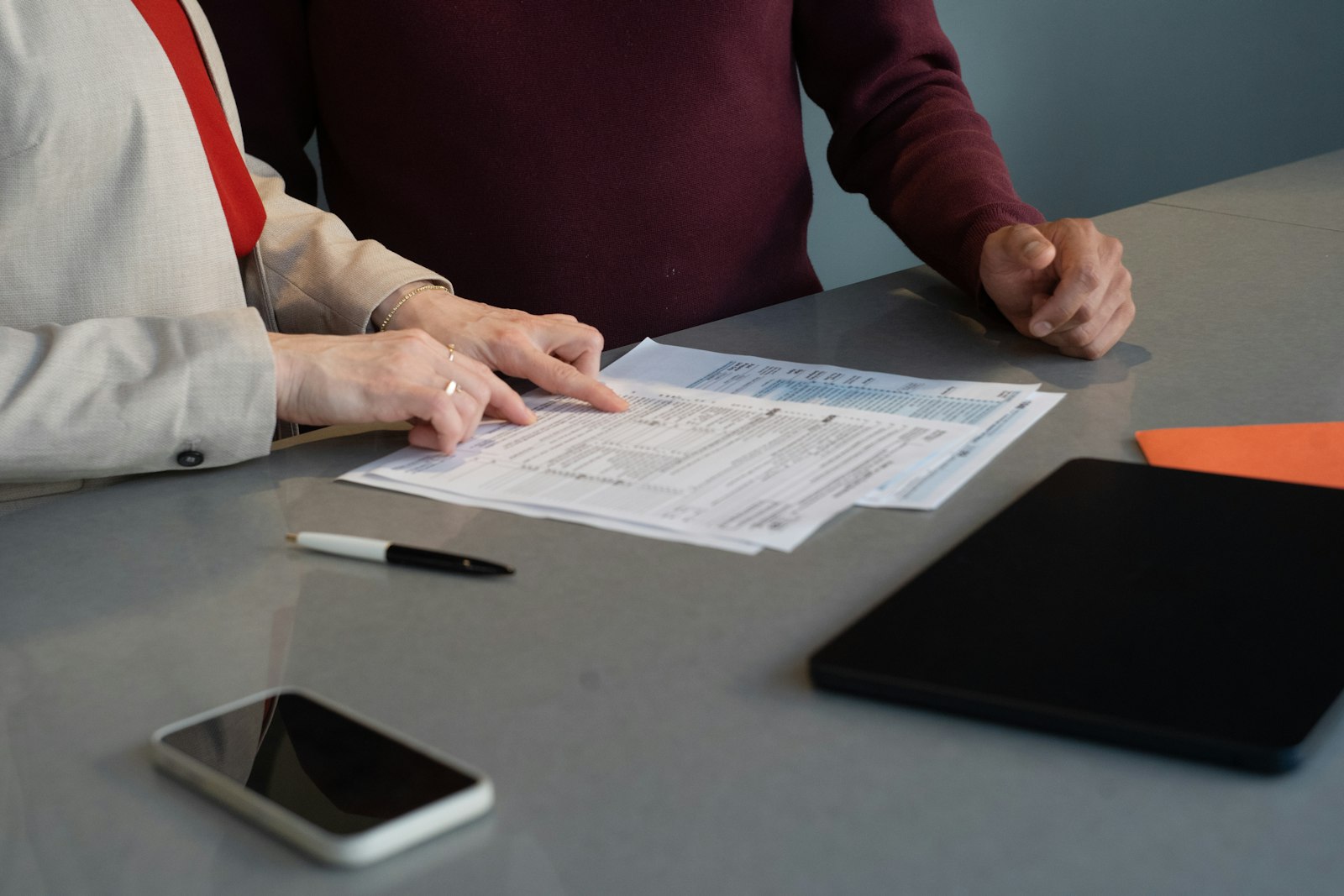
Our title transfer service in Bethlehem handles all of that in one appointment. For the mechanics of the signing itself, see our step-by-step title transfer guide, and for why the notary is unavoidable here, Pennsylvania’s notary requirement explained.
Warning signs worth walking away from
- The seller wants to meet somewhere other than their home. Occasionally innocent, often not.
- The title is signed but the buyer section is blank. This is title jumping — the seller never registered the car in their own name.
- Pressure to pay before the notary appointment. There is no legitimate reason for it.
- The price is well below market with a story attached. Divorce, moving abroad, deployment — the story is doing the work the paperwork should be doing.
- They will not accept a bill of sale. A seller with nothing to hide has no reason to object.
Frequently asked questions
Is a bill of sale required in Pennsylvania?
Pennsylvania does not require a separate bill of sale for a standard private vehicle sale, because the notarized title records the transfer. It is still worth writing one — it documents the agreed price, the odometer reading, and that the vehicle was sold as-is.
Can I drive the car home before the title is transferred?
Not legally on the seller’s plate, which stays with the seller. You need your own registration and plate, or a valid transfer of a plate you already hold. The cleanest approach is to complete the transfer and receive plates before driving away.
What if the seller cannot find the title?
Do not pay until they produce it. The seller must apply for a duplicate title, which costs $72 and can take four to six weeks by mail. No title means no legal transfer of ownership.
How do I know if the car has a lien on it?
The lien is recorded on the face of the title. If a lienholder is listed, the seller must provide a lien release from that lender before the title can transfer. A title showing an unsatisfied lien cannot be transferred to you.
Do I pay sales tax on a private sale?
Yes. Pennsylvania charges 6% sales tax on private party sales based on the purchase price, the same as a dealer sale. In Lehigh and Northampton counties the rate is 6%; Allegheny is 7% and Philadelphia is 8%.
Does the car need to pass inspection before I can register it?
You can title and register the vehicle first, but Pennsylvania requires a current safety inspection to keep it registered, and Lehigh and Northampton counties also require an emissions test. Factor the inspection into your budget before you buy.
Buying privately in the Lehigh Valley?
Bring the seller and the title to us — notarization, sales tax, title transfer, plates and registration handled in one visit. Hablamos Español.