
Tag: limited tort

  • Full Tort vs Limited Tort in Pennsylvania: How to Choose

    Full Tort vs Limited Tort in Pennsylvania: How to Choose

    Pennsylvania is one of a small number of states that asks drivers to choose how much of their legal rights to keep. The choice appears as a single line on your policy, most people make it in seconds while comparing quotes, and it decides what happens to you after a crash you did not cause.

    What you are actually choosing

    Pennsylvania is a choice no-fault state. Whichever option you pick, your own medical benefits coverage pays your initial medical costs regardless of who was at fault, and you can pursue an at-fault driver for economic losses — medical bills and lost wages.

    The difference is non-economic damages: pain, suffering, mental anguish, and loss of enjoyment of life.

    Full tort and limited tort compared
    Full tort Limited tort
    Annual premium Higher Roughly 10–15% lower
    Recover medical bills Yes Yes
    Recover lost wages Yes Yes
    Recover for pain and suffering Yes, unrestricted Only if a threshold or exception is met
    Applies to your household Yes Yes
    Burden after a crash Prove fault and damages Prove fault, damages, and that the injury qualifies
    Finding the tort election on a Pennsylvania insurance declarations page
    It is one line, usually near the top.

    The threshold limited tort has to clear

    A limited tort driver can still sue for pain and suffering, but only if the injury is a serious injury. Pennsylvania defines that narrowly: death, serious impairment of a body function, or permanent serious disfigurement.

    Courts have interpreted “serious impairment of a body function” to require showing that the injury substantially affects your ability to lead your normal life. That is a demanding standard, and it is applied case by case.

    Soft tissue injuries that may not meet Pennsylvania's serious injury threshold
    Painful is not the same as legally serious.

    This is where limited tort bites. Whiplash, back strain, and other soft tissue injuries are genuinely painful, can take months to resolve, and frequently fall short of the threshold. Those are also the most common injuries in ordinary collisions — so the saving applies to the crashes you are most likely to have.

    The exceptions that hand your rights back

    Pennsylvania restores full tort rights to a limited tort driver in a defined set of circumstances. In these situations you do not have to prove a serious injury at all.

    When limited tort does not restrict you
    Circumstance Full tort rights restored?
    The at-fault driver was convicted of DUI, or accepted ARD Yes
    The at-fault driver was operating a vehicle registered in another state Yes
    The at-fault driver had no insurance Yes
    The at-fault driver intended to cause injury Yes
    You were an occupant of a vehicle that is not a private passenger vehicle Yes
    You were a pedestrian or a cyclist rather than an occupant Yes
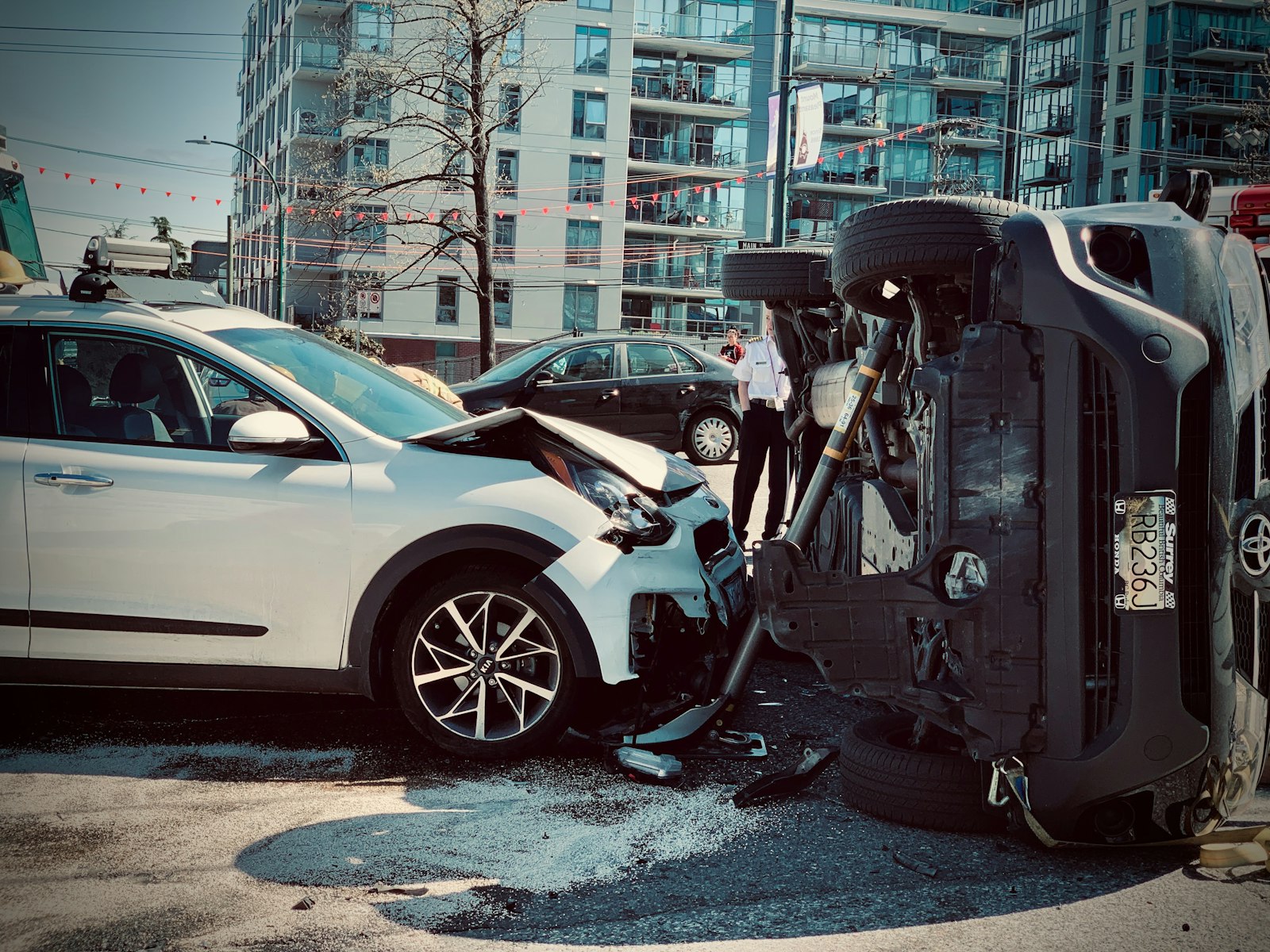
    A drunk driver, one of the exceptions restoring full tort rights in Pennsylvania
    Some at-fault drivers hand your rights back.

    Two of these are worth dwelling on. The out-of-state vehicle exception matters more in the Lehigh Valley than almost anywhere else in Pennsylvania — the New Jersey border is twenty minutes from Bethlehem, and out-of-state plates are a routine sight on Route 22 and Interstate 78.

    Pedestrians and cyclists retain full tort rights in Pennsylvania
    Not every exception involves the other driver.

    The pedestrian and cyclist exception surprises people too. Limited tort restricts you as a driver or passenger; on foot or on a bike, the restriction does not apply.

    Your choice binds your household

    This is the part that gets least attention and deserves the most. The tort election is binding on you and every household member covered by the policy.

    A Pennsylvania tort election binds everyone in the household on the policy
    Your choice is not only yours.

    If you elect limited tort to save $150 a year, your spouse is limited tort. Your teenage driver is limited tort. An adult child living at home and insured on your policy is limited tort. None of them chose it, and none of them can opt out individually.

    What happens if you never chose

    Pennsylvania presumes full tort if you never responded to the election notice. That sounds reassuring, but it applies to genuine non-response — not to someone who accepted a quote that had limited tort built into the price.

    Do not assume. Find your declarations page and look for the words “limited tort” or “full tort”, usually near the top with the named insureds. If you cannot find it, your agent can tell you in under a minute.

    The money, and who should pick which

    Limited tort typically saves 10% to 15%. On a $1,400 annual premium that is around $140 to $210 a year.

    Which election tends to suit whom
    Situation Leans toward
    You have dependants relying on your income Full tort
    You commute daily, especially near state lines Full tort
    Household includes a teenage or new driver Full tort
    Physically demanding job where an injury stops your earnings Full tort
    Very low annual mileage, no dependants, tight budget Limited tort is defensible
    You already carry strong disability and health cover Limited tort is defensible
    Reviewing a tort election with an insurance agent in Pennsylvania
    Changing the election takes one conversation.

    Limited tort is not indefensible. It is a real trade, and for some households the premium saving genuinely matters more than a contingent legal right. What makes it a bad decision is making it without knowing — which is how most Pennsylvanians end up with it.

    Changing the election is straightforward: it takes one conversation with your agent and takes effect on your policy. We review coverage and shop rates across several carriers, and we will read your current declarations page with you. For the coverages you are legally required to carry, see Pennsylvania’s minimum car insurance requirements; if you have just bought a vehicle, how to insure a car you just bought covers the timing.

    PennDOT publishes an overview of Pennsylvania’s insurance law, including the tort options, in its Insurance Law fact sheet.

    Frequently asked questions

    What is the difference between full tort and limited tort in PA?

    Both let you recover medical bills and lost wages. Full tort also preserves your unrestricted right to sue an at-fault driver for pain and suffering. Limited tort gives up that right unless your injury meets the serious injury threshold or one of the statutory exceptions applies.

    What counts as a serious injury under Pennsylvania law?

    Death, serious impairment of a body function, or permanent serious disfigurement. Courts have read serious impairment to require an injury that substantially affects your ability to lead your normal life — a demanding standard that many soft tissue injuries do not meet.

    Which tort option do I have if I never chose one?

    Pennsylvania law presumes full tort if you never responded to the election notice. In practice, though, most people who accepted a cheaper quote did make a limited tort election without registering it. Check your declarations page rather than assuming.

    Does limited tort apply to my whole family?

    Yes. The election is binding on you and all household members covered by the policy, including your children. One person’s decision to save on the premium restricts everyone in the house.

    Are there exceptions to limited tort?

    Yes. You keep full tort rights if the at-fault driver was convicted of DUI or accepted ARD, was driving a vehicle registered in another state, was uninsured, or intended to cause injury. You also keep them if you were a pedestrian or cyclist, or an occupant of a vehicle that is not a private passenger vehicle.

    How much does full tort actually cost?

    Commonly around 10% to 15% more than limited tort on the equivalent policy. On a $1,400 annual premium that is roughly $140 to $210 a year — the trade is that money against your ability to be compensated for pain and suffering.

    Do you know which one you have?

    Bring your declarations page to our Bethlehem office and we will read it with you, explain your election, and price both options. Free, no obligation. Hablamos Español.

    Call 610-625-1525Book an appointment

  • PA Minimum Car Insurance Requirements: What 15/30/5 Really Means

    PA Minimum Car Insurance Requirements: What 15/30/5 Really Means

    Pennsylvania’s minimum car insurance requirement is one of the lowest in the country. Meeting it keeps you legal — it does not necessarily keep you protected, and one line on your policy in particular can cost you far more than it saves.

    The legal minimum

    Every registered vehicle in Pennsylvania must carry at least this much coverage.

    Pennsylvania minimum required auto coverage
    Coverage Minimum limit What it pays for
    Bodily injury liability, per person $15,000 Injuries to one other person you are responsible for
    Bodily injury liability, per accident $30,000 Total injuries to all other people in one accident
    Property damage liability $5,000 Damage you cause to someone else’s vehicle or property
    Medical benefits (first party benefits) $5,000 Your own medical costs, regardless of who was at fault

    Insurance agents write the liability portion as 15/30/5. Note what is missing: none of it pays to repair your own vehicle. That requires collision and comprehensive coverage, which Pennsylvania does not mandate.

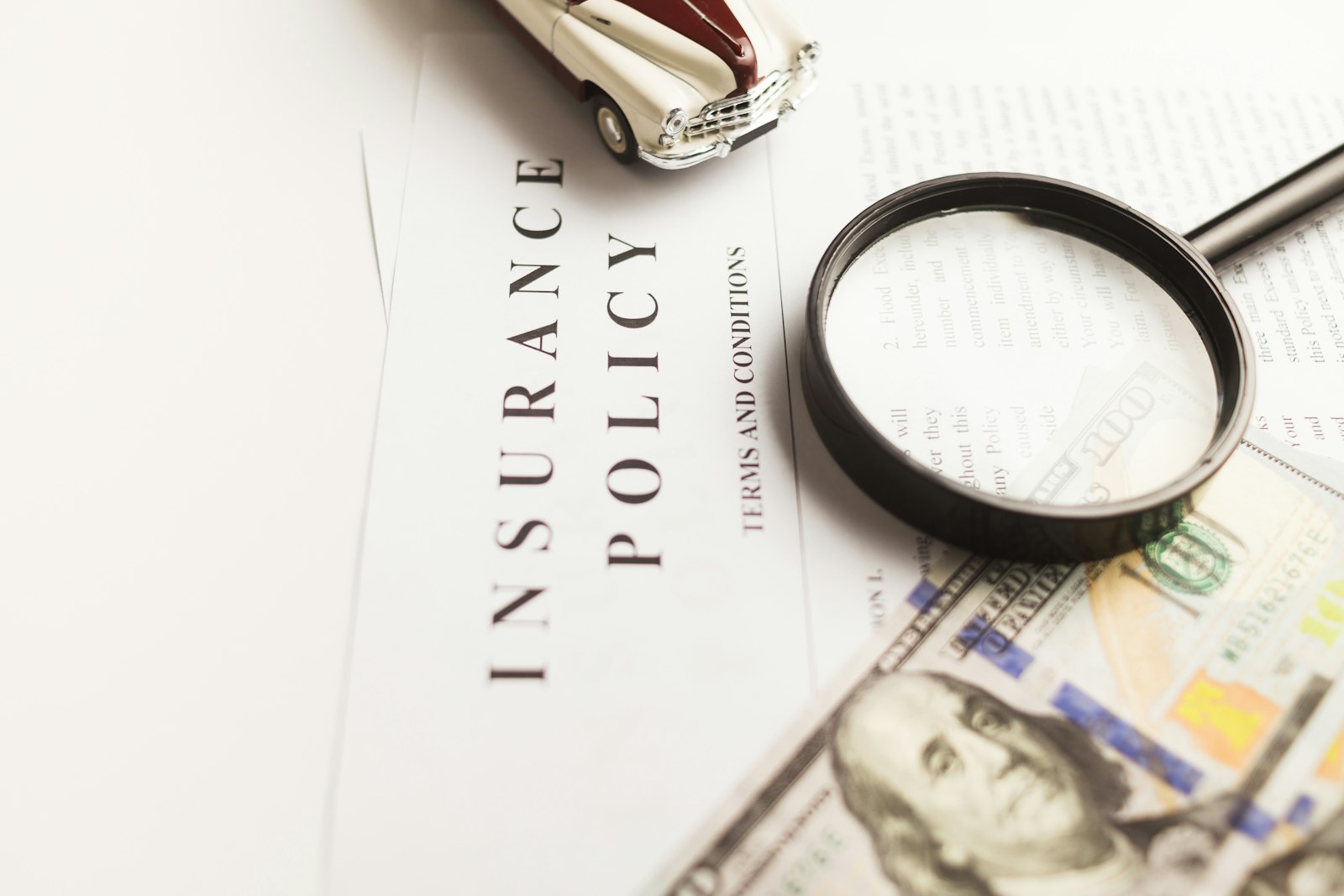
    A Pennsylvania auto insurance policy showing liability limits
    Your declarations page lists the limits you actually carry.

    Full tort or limited tort: the choice that matters most

    Pennsylvania is a choice no-fault state, which means every policyholder makes a decision most never think about again. It appears as a single line on your policy.

    Full tort versus limited tort in Pennsylvania
    Full tort Limited tort
    Premium Higher Lower — often 10% to 15% less
    Sue for medical bills and lost wages Yes Yes
    Sue for pain and suffering Yes, without restriction Only in limited circumstances
    If you suffer a serious injury Full right to recover Exception applies — you may still sue
    If injuries are painful but not ‘serious’ Full right to recover Generally cannot recover
    Best suited to Drivers prioritising protection Drivers prioritising premium cost

    Limited tort is not a small saving with no downside. It typically trims 10% to 15% from your premium, and in exchange you give up the right to claim for pain and suffering unless your injury clears a legal threshold such as death, serious impairment of a body function, or permanent disfigurement. Whiplash and soft-tissue injuries frequently fall short of that threshold.

    Exceptions do exist — including accidents caused by a drunk driver, an uninsured motorist, or a driver in an out-of-state vehicle.

    Choosing between full tort and limited tort on a Pennsylvania auto policy
    The tort election is a permanent-feeling choice made in seconds.

    Why the minimum often is not enough

    The $5,000 property damage limit is the one that fails first. It was set decades ago, and the average new vehicle now costs many times that.

    Consider a straightforward scenario: you are at fault in a collision with a three-year-old SUV, and the repair comes to $19,000. Your policy pays $5,000. The remaining $14,000 is yours personally — and the other driver’s insurer will pursue you for it.

    Where minimum limits run out
    Scenario Typical cost Minimum policy pays You may owe
    Moderate damage to a late-model SUV $19,000 $5,000 $14,000
    Total loss of a mid-range sedan $24,000 $5,000 $19,000
    Serious injury to one other driver $85,000 $15,000 $70,000
    Injuries to three people in one vehicle $120,000 $30,000 $90,000
    A car accident where Pennsylvania minimum liability limits may fall short
    Minimum property damage limits rarely cover a modern vehicle.

    Raising liability limits is usually far cheaper than people expect, because the underlying risk of a catastrophic claim is what drives the price, and that risk does not scale linearly with the limit.

    Coverage Pennsylvania does not require

    Optional Pennsylvania auto coverages
    Coverage What it does Worth considering when
    Collision Repairs your vehicle after a crash you caused Your car would be costly to replace
    Comprehensive Theft, fire, flood, hail, falling objects, animal strikes You park outside or drive rural roads
    Uninsured / underinsured motorist Covers you when the at-fault driver has too little or no insurance Almost always — a meaningful share of drivers are uninsured
    Higher medical benefits Raises the $5,000 first party benefits floor Your health plan has a high deductible
    Rental reimbursement Pays for a rental while yours is repaired You have no second vehicle
    Gap coverage Pays the difference when you owe more than the car is worth You financed with little money down
    Damage covered by optional comprehensive auto insurance in Pennsylvania
    Comprehensive covers what collision does not.

    What driving uninsured costs

    Pennsylvania treats a coverage lapse seriously, and the penalties compound.

    • A fine of at least $300
    • A three-month suspension of your vehicle registration
    • A three-month suspension of your driver’s license
    • Restoration fees to reinstate both
    • Towing and storage costs if the vehicle is impounded

    Because registration and insurance are linked, a lapse can also block a renewal outright — something we cover in our guide to Pennsylvania vehicle registration renewal.

    Penalties for driving without insurance in Pennsylvania
    A lapse suspends both your registration and your license.

    Lowering your premium without gutting your coverage

    • Compare carriers properly. Identical drivers routinely see quotes that differ by hundreds of dollars a year between insurers.
    • Bundle auto with home or renters. Multi-policy discounts are among the largest available.
    • Raise your deductible, not your liability risk. Moving a collision deductible from $250 to $1,000 lowers the premium while leaving your liability protection intact.
    • Ask about every discount. Safe driver, low mileage, defensive driving courses, good student, and paperless billing all add up.
    • Review after any life change. Moving, changing jobs, or paying off a vehicle can all shift your rate.
    Comparing Pennsylvania auto insurance quotes from multiple carriers
    The same driver can see very different rates across carriers.

    We shop several carriers — including American National, Bristol West, Capitol, and Progressive — rather than quoting a single company, which is the whole point of our auto and home insurance service in the Lehigh Valley. If you are buying a vehicle, arrange coverage before your title transfer appointment, because plates cannot be issued without it. Our breakdown of Pennsylvania title transfer costs covers the rest of what you will pay that day.

    For neutral background on how the coverages in a standard auto policy fit together, the Insurance Information Institute publishes a plain-language overview.

    Frequently asked questions

    What is the minimum car insurance required in Pennsylvania?

    Pennsylvania requires $15,000 bodily injury liability per person, $30,000 per accident, and $5,000 property damage liability — written as 15/30/5 — plus at least $5,000 in medical benefits, also called first party benefits.

    What is the difference between full tort and limited tort?

    Full tort preserves your unrestricted right to sue an at-fault driver for pain and suffering. Limited tort gives up that right in most cases in exchange for a lower premium, though exceptions apply for serious injury, death, and certain other circumstances.

    Which tort option am I on if I never chose?

    Pennsylvania defaults to full tort if no election is recorded. However, most people who selected a cheaper quote without reading closely did make a limited tort election. Check your declarations page rather than assuming.

    Is Pennsylvania a no-fault state?

    Pennsylvania is a choice no-fault state. Your own medical benefits coverage pays your initial medical costs regardless of fault, while your tort election determines whether you can sue for pain and suffering.

    What happens if I drive without insurance in PA?

    Penalties include a minimum $300 fine, a three-month suspension of both your registration and your driver’s license, and restoration fees to reinstate them. You may also be responsible for towing and storage costs.

    Do I need insurance before I can register a car in Pennsylvania?

    Yes. Proof of active Pennsylvania insurance is required before plates and registration can be issued, so arrange coverage before your title transfer appointment rather than after.

    Not sure what you are actually covered for?

    Bring your current declarations page and we will read it with you, explain your tort election, and shop your rate across multiple carriers. Free quotes, no obligation.

    Call 610-625-1525Book an appointment