
A homeowners policy is four coverages bundled together, plus a list of exclusions that most owners never read. In Pennsylvania two of those exclusions matter more than people expect — and one of them has a state-run solution costing about $40 a year.
The four coverages inside a standard policy
| Coverage | What it protects | How the limit is usually set |
|---|---|---|
| Dwelling | The structure itself | Estimated cost to rebuild |
| Other structures | Garage, shed, fence, detached buildings | Typically 10% of dwelling |
| Personal property | Everything inside | Typically 50–70% of dwelling |
| Loss of use | Living costs while the home is unliveable | Typically 20% of dwelling |
| Personal liability | Injury or damage you are responsible for | $100,000 upward, chosen |
| Medical payments | Minor guest injuries, regardless of fault | $1,000–$5,000 |
Insure to rebuild, not to market value. The two are different numbers. Land cannot burn down, so market price includes something the insurer never has to replace — and in areas where construction costs have risen faster than house prices, the rebuild figure can exceed what you paid.
What is normally covered
Standard policies cover a defined list of perils. The common ones behave predictably:
- Fire and smoke — the core of the policy
- Wind, hail, and falling objects, including trees
- Weight of ice, snow or sleet — relevant most Pennsylvania winters
- Sudden and accidental water damage from plumbing or appliances
- Theft and vandalism
- Lightning and electrical surge
The exclusions that catch people out
| Excluded | Why | Solution |
|---|---|---|
| Flooding from outside | Universal exclusion | Separate flood policy |
| Earth movement and subsidence | Universal exclusion | Endorsement, or the state mine subsidence programme |
| Sewer and drain backup | Excluded as standard | Inexpensive endorsement |
| Gradual leaks and long-term seepage | Treated as maintenance | Fix and document promptly |
| Mould, in most circumstances | Limited or excluded | Endorsement, often capped |
| Home-based business property | Outside personal lines | Business endorsement or policy |
| High-value jewellery above a sub-limit | Sub-limited | Schedule the items individually |
Mine subsidence: Pennsylvania’s own problem
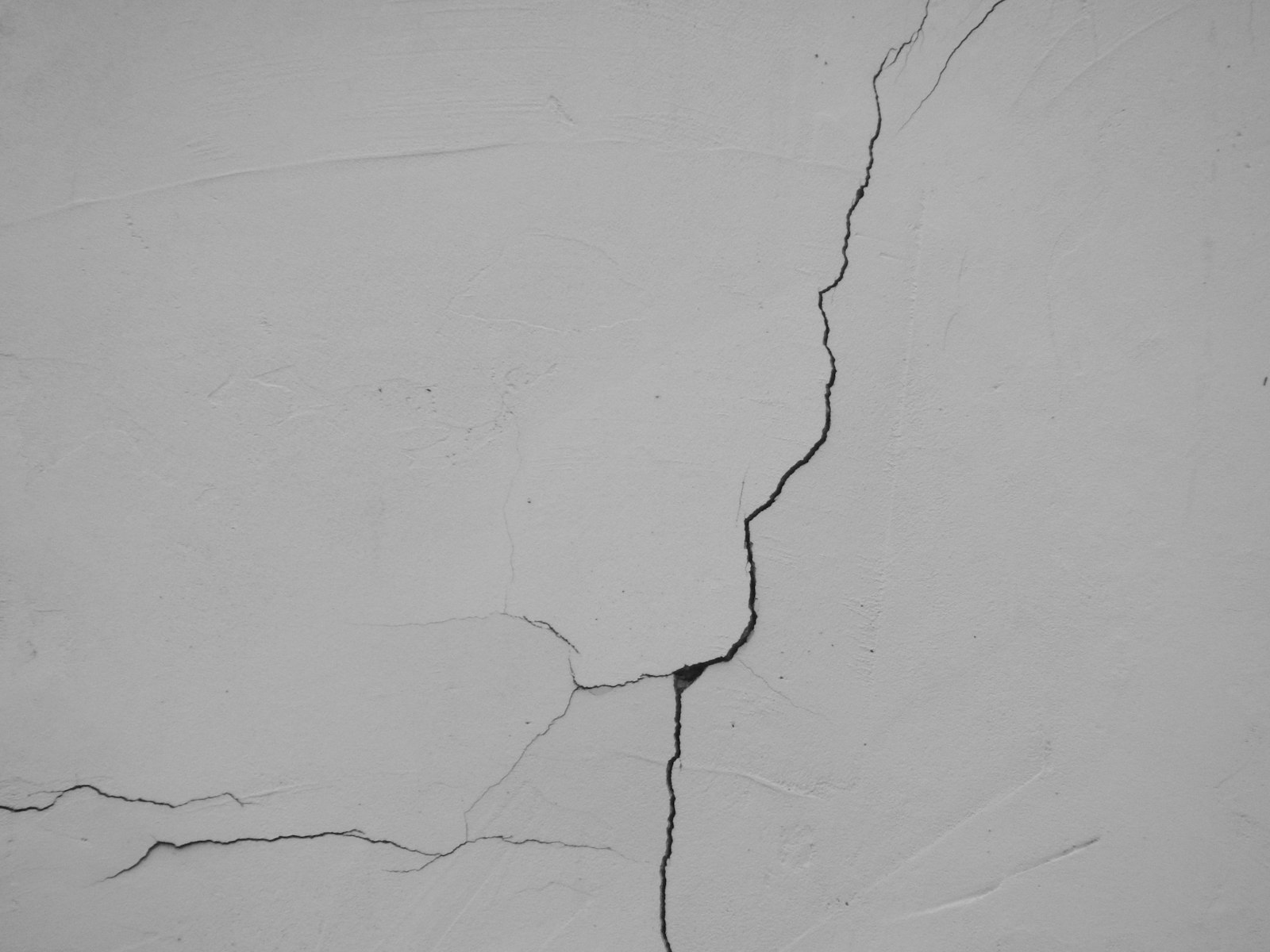
Pennsylvania was mined underneath for well over a century, and roughly a million properties statewide sit above old underground workings. When that ground sags or collapses, the damage to the building above can be severe.
Every standard homeowners policy excludes it, as part of the general earth movement exclusion.
Pennsylvania responded by running its own programme through the Department of Environmental Protection. The terms are unusually good:
| Feature | Detail |
|---|---|
| Coverage range | $5,000 to $1,000,000 |
| Approximate premium | About $40 per year per $150,000 of coverage |
| Deductible on residential structures | $0 |
| Appurtenances — fences, patios, driveways | Covered up to 20% of the overall limit |
| What is not covered | The land itself, and personal belongings |
| How to buy it | Through a licensed property and casualty producer |
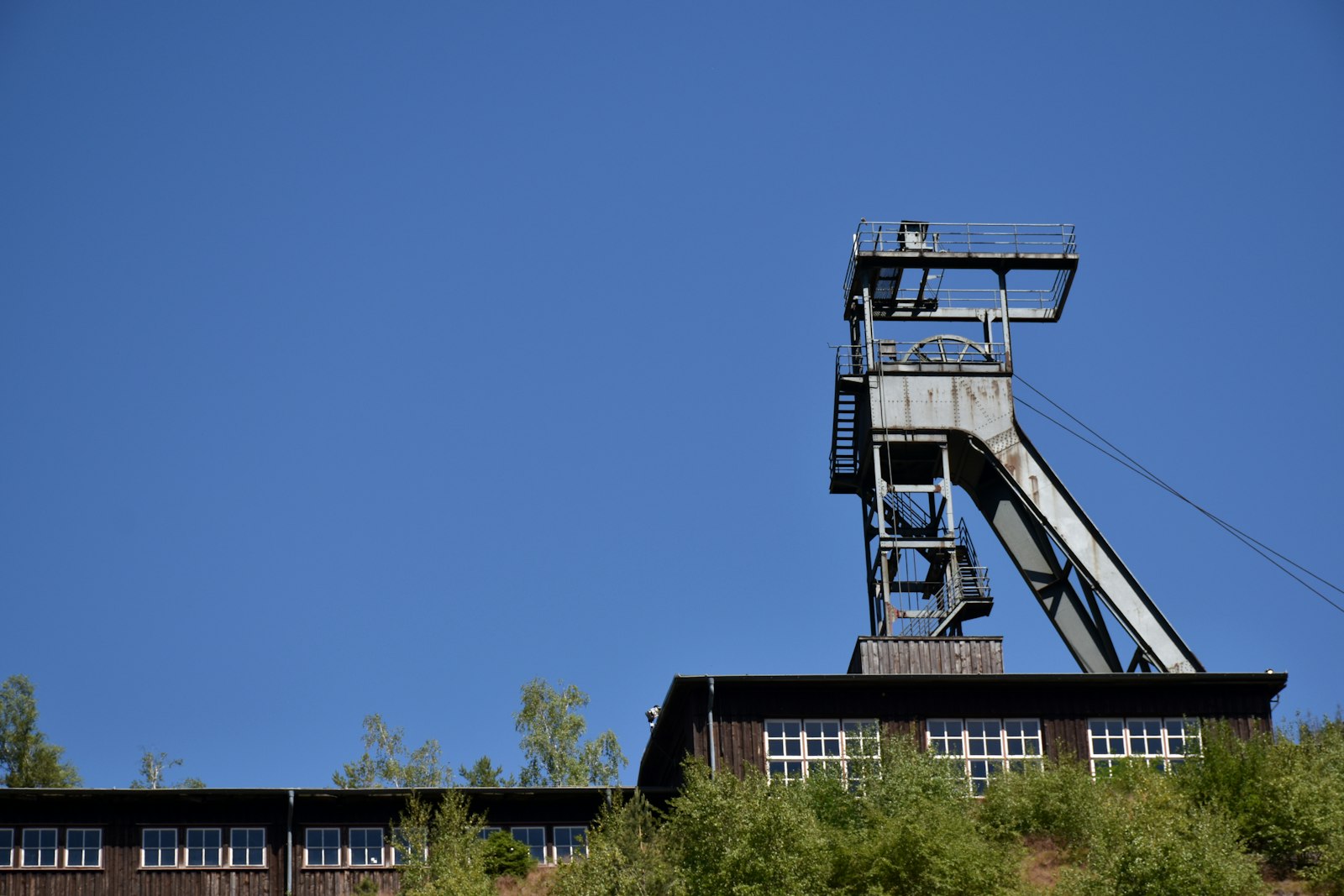
A zero-deductible policy at around $40 a year is close to unique in personal insurance. Whether your specific address sits over former workings is worth checking — the programme is administered by the Pennsylvania Department of Environmental Protection, and it is bought through an agent rather than direct.
Liability is the coverage nobody shops for
People compare homeowners quotes on the dwelling figure and the premium. Almost nobody compares the liability limit, which is the coverage most likely to produce a claim larger than the house is worth.
A guest injured on your steps, a dog bite, a tree of yours landing on a neighbour’s car, a child hurt in your pool — all of these attach to you personally. Standard policies often start at $100,000, which is not much once legal costs are involved.
Raising the limit is inexpensive because catastrophic claims are rare. If you have a pool, a trampoline, a dog, or you host regularly, it is worth asking what $300,000 or $500,000 costs, and whether an umbrella policy sitting above your home and auto makes sense.
Two settlement terms worth checking now
Replacement cost versus actual cash value. Actual cash value depreciates your belongings before paying. Replacement cost does not. The premium difference is modest; the claim difference is not.
Roof settlement basis. Some policies pay older roofs at depreciated value even when the rest of the policy is replacement cost. After a hail or wind event that difference can run to thousands. Ask which basis applies before you need to find out.

Keep an inventory
Walk through the house with your phone and record every room, opening cupboards and drawers as you go. Store it somewhere that is not in the house — cloud storage or email works.
It takes fifteen minutes and turns a contested claim into a straightforward one. Nobody reconstructs the contents of their home accurately from memory after a fire.
Reviewing the policy
Construction costs have moved sharply, and a dwelling limit set several years ago may no longer rebuild the house. Renovations, an extension, a finished basement, or a new roof all change the number.

We shop homeowners coverage across several carriers, including American National and Bristol West, through our insurance service in Bethlehem — and bundling with auto is usually the largest discount available. If you rent rather than own, renters insurance in Pennsylvania covers the tenant side, and the auto minimums guide covers the vehicle half of a bundle.
Frequently asked questions
Is homeowners insurance required in Pennsylvania?
Not by state law. If you have a mortgage, your lender will require it as a condition of the loan, which is why nearly every mortgaged home in Pennsylvania carries a policy.
Does homeowners insurance cover flooding?
No. Flooding from outside the home is excluded from every standard homeowners policy and requires a separate flood policy. This matters in parts of the Lehigh Valley near the Lehigh and Delaware rivers.
What is mine subsidence insurance?
It covers damage caused when ground above old underground mine workings sags or collapses. Standard homeowners policies exclude it. Pennsylvania runs a state programme through the Department of Environmental Protection, with coverage from $5,000 to $1,000,000 and a $0 deductible on residential structures.
How much does mine subsidence insurance cost in PA?
Premiums run roughly $40 per year for each $150,000 of coverage, which makes it one of the least expensive protections available to a Pennsylvania homeowner. It is purchased through a licensed property and casualty insurance producer.
Should I insure my home for what I paid for it?
No. Dwelling coverage should reflect the cost to rebuild, which is a different figure from market value. Land is not at risk, so market price includes something insurance never needs to replace — and in some markets the rebuild cost is higher than the sale price.
What is an actual cash value roof settlement?
Some policies pay roof claims at depreciated value rather than replacement cost, particularly on older roofs. It substantially reduces what you receive after storm damage. Check which basis your policy uses before you need to claim.
When did you last review your limits?
Bring your current declarations page to our Bethlehem office. We will check your rebuild figure, flag any gaps, and price it across multiple carriers. Hablamos Español.