
Tag: buying a car

  • How to Insure a Car You Just Bought in Pennsylvania

    How to Insure a Car You Just Bought in Pennsylvania

    Pennsylvania will not issue plates or registration on a vehicle without active insurance. That single rule determines the order everything else has to happen in — and it catches out a surprising number of buyers who plan to sort coverage later in the week.

    The grace period, honestly explained

    Most articles will tell you Pennsylvania gives you a grace period on a newly bought car. That is a half-truth worth unpicking, because it has cost people real money.

    There is no statutory grace period. What exists is a provision in most auto policies that automatically extends coverage to a newly acquired vehicle — typically for somewhere between seven and 30 days, depending on the insurer. PennDOT expects the vehicle to be added to your policy within 14 days of purchase.

    When the grace period does and does not help you
    Your situation Automatic coverage? What to do
    Active policy, replacing a listed vehicle Usually yes Notify your insurer within days, not weeks
    Active policy, adding a second vehicle Often shorter, sometimes none Call before you take delivery
    Policy cancelled after selling your last car No You need a new policy in force first
    First car you have ever owned No Arrange a policy before the purchase
    Liability-only existing policy Yes, but liability only Upgrade before delivery if the car is financed
    Calling an insurance agent before driving a newly bought car in Pennsylvania
    One phone call before you drive away.

    A grace period extends something that already exists. If you have no active policy, there is nothing to extend. This is the single most common misunderstanding, and it leaves people driving uninsured while believing they are covered.

    What your insurer needs from you

    Adding a vehicle takes a few minutes on the phone if you have the details ready.

    • The vehicle identification number — make and model alone is not enough
    • The purchase date and price
    • The current odometer reading
    • Where the vehicle will be garaged overnight
    • Everyone who will drive it regularly
    • Lienholder details, if the purchase is financed
    The VIN needed to add a newly purchased car to a Pennsylvania policy
    Your insurer needs the VIN, not the make and model.

    Ask for a binder or an insurance identification card to be sent while you are still on the call. That document is what you bring to the title appointment — you do not need to wait for a policy packet in the post.
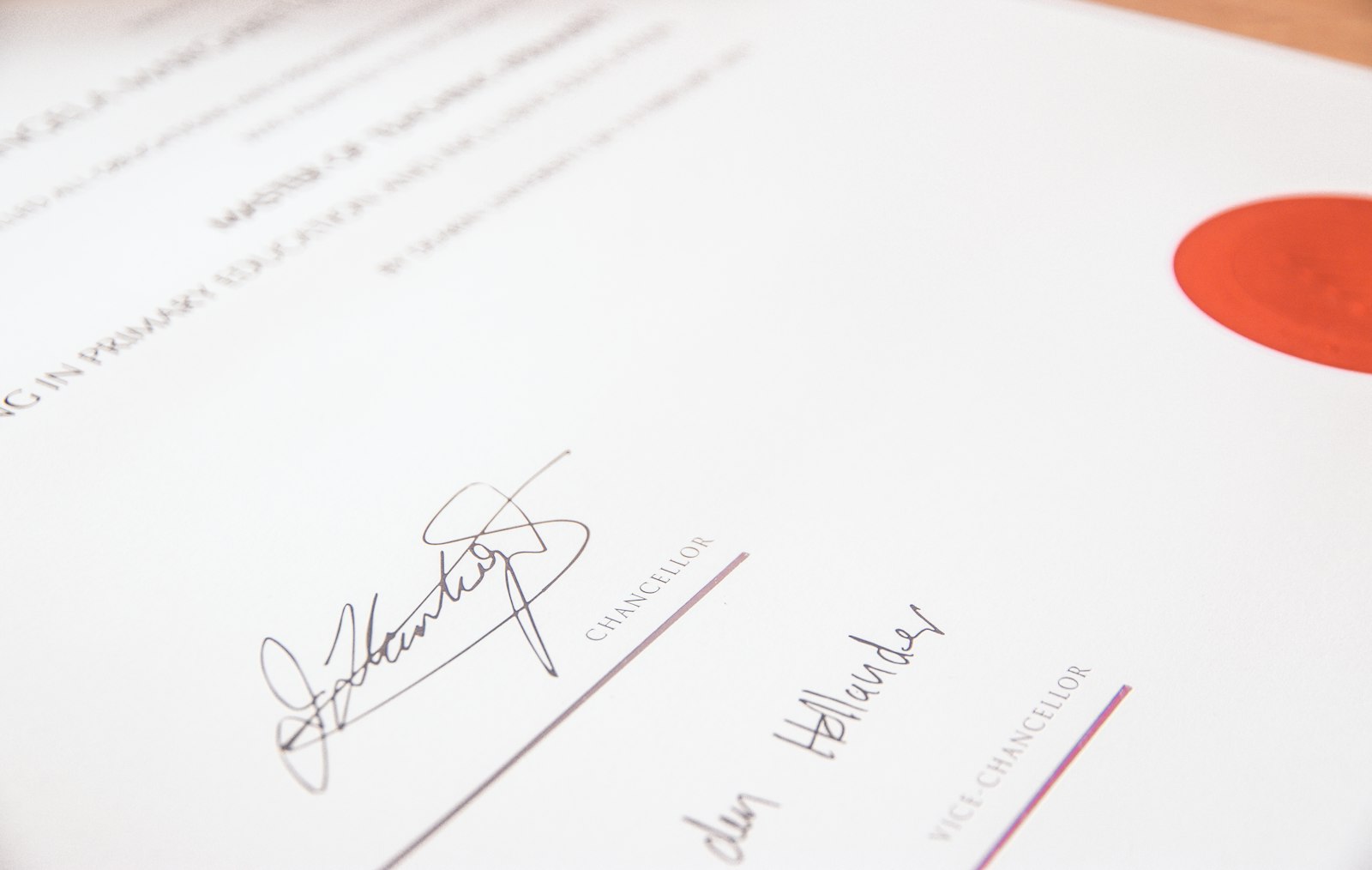
    An insurance binder proving Pennsylvania coverage for a new vehicle
    A binder is enough to get plates issued.

    If the car is financed

    A lender is not bound by Pennsylvania’s minimum requirements, and effectively every auto loan requires comprehensive and collision coverage with a deductible cap, plus the lender named as loss payee.

    Relying on a grace period here is particularly risky. If your existing policy is liability-only, the newly acquired vehicle inherits liability-only — and you are in breach of the loan agreement from day one.

    Lender coverage requirements for a financed vehicle in Pennsylvania
    A lender’s requirements exceed the state minimum.
    Minimum required versus what a lender expects
    Coverage Pennsylvania minimum Typical lender requirement
    Bodily injury liability 15/30 Often 100/300
    Property damage liability $5,000 Often $50,000 or more
    Comprehensive Not required Required
    Collision Not required Required
    Deductible Not applicable Usually capped at $500 or $1,000
    Lienholder listed Not applicable Required as loss payee

    Gap coverage, briefly

    If you financed with little money down, the loan balance can exceed what the car is worth for the first year or two. A total loss pays out the vehicle’s value, not your balance, and the difference is yours to settle.

    The gap between a car's value and the loan balance
    New vehicles lose value faster than loans shrink.

    Gap coverage closes that difference. It is inexpensive, and it matters most in exactly the situation where people are least able to absorb a surprise bill.

    Timing it with the title appointment

    The sequence that works, in order:

    1. Agree the purchase and get the VIN from the seller.
    2. Call your agent with the VIN and purchase price. Ask for a binder.
    3. Confirm coverage is active from the date you take possession.
    4. Bring the binder or insurance card to the title transfer appointment.
    5. Collect plates and registration — at an authorized agent, usually the same visit.

    Arriving at a Pennsylvania title appointment with insurance ready
    No coverage, no plates — it is that simple.

    Because we are both an insurance agency and a PennDOT agent, we can quote coverage across several carriers and complete the title transfer in the same place. If you are still choosing a car, our private-seller checklist covers the rest of the purchase.

    Dealer purchases work slightly differently

    Buying from a licensed dealer removes some of the timing pressure, because the dealer handles the title and registration internally and will not release the vehicle without proof of coverage.

    What does not change is the underlying requirement. The dealer will ask for your insurance details before you drive off the lot, and a policy that is liability-only will not satisfy a finance agreement arranged in the same showroom.

    Arrange coverage before you go in rather than accepting whatever can be bound in the finance office under time pressure. It is the same decision either way, made more calmly.

    Mistakes worth avoiding

    • Assuming the seller’s insurance covers the drive home. It does not.
    • Assuming a grace period exists when you have no active policy.
    • Letting a liability-only policy extend to a financed car.
    • Waiting until after the title appointment. No coverage, no plates.
    • Taking the first quote under time pressure. Rates between carriers differ by hundreds a year for identical drivers.

    Before you decide on limits, it is worth understanding what Pennsylvania actually requires — our guide to minimum car insurance requirements covers the 15/30/5 rule and the tort election. For a plain-language overview of how the coverages in a policy fit together, the Insurance Information Institute is a good neutral reference.

    Frequently asked questions

    Do I need insurance before I can register a car in Pennsylvania?

    Yes. Proof of active Pennsylvania insurance is required before plates and registration can be issued. Arrange coverage before your title transfer appointment, not after.

    Is there a grace period for a newly bought car in PA?

    It depends on your policy, not on state law. Many insurers automatically extend coverage to a newly acquired vehicle for somewhere between seven and 30 days, but this only applies if you already have an active policy — and PennDOT expects the vehicle added within 14 days. Confirm the terms with your agent rather than assuming.

    What if I don’t have any existing insurance?

    Then there is no grace period to rely on, because a grace period extends an existing policy. If you cancelled coverage after selling your last car, or this is your first vehicle, you need a policy in force before you take delivery.

    What does my insurer need to add the car?

    The vehicle identification number, the purchase date and price, the odometer reading, where the car will be garaged, and who will drive it. The VIN is the essential item — make and model alone is not enough.

    Does the grace period include collision and comprehensive?

    Generally your new vehicle inherits whatever your existing policy carries. If your current policy is liability-only, the new car has liability only — which is a serious problem if the new car is financed and the lender requires full coverage.

    Can I use the seller’s insurance to drive it home?

    No. Insurance follows the policyholder and the vehicle listed on their policy, not whoever is driving. Once ownership transfers, the seller’s coverage does not protect you.

    Buying a car this week?

    Call us with the VIN and we will quote coverage across multiple carriers, then handle the title, tax and plates in the same visit. Hablamos Español.

    Call 610-625-1525Book an appointment

  • Buying a Car From a Private Seller in PA: The Complete Checklist

    Buying a Car From a Private Seller in PA: The Complete Checklist

    A private sale is usually the cheapest way to buy a used car in Pennsylvania. It is also the one where every piece of the paperwork risk lands on you — there is no dealer standing behind the transaction, and no finance office catching mistakes.

    The good news is that the risky parts are predictable. Work through them in this order and a private purchase is straightforward.

    Before you go and look

    Two checks take five minutes and eliminate most bad listings before you waste a Saturday.

    Ask the seller for the vehicle identification number up front. A seller who will not share the VIN is telling you something. With it, you can run a free recall lookup and buy a history report before committing to anything.

    Searching private car listings in Pennsylvania
    The listing is the least reliable document in the transaction.

    Ask directly whether they hold the title, whether it is in their name, and whether there is a lien on it. Those three answers determine whether a sale is even possible.

    The most common private-sale problem in Pennsylvania is a title that is not in the seller’s name. If the person selling the car is not the person printed on the title, they cannot legally transfer it to you — no matter how the car got into their possession.

    What to check in person

    Private sale inspection checklist
    Check What you are looking for Deal-breaker?
    VIN on dash matches the title Identical, digit for digit Yes — walk away
    Name on title matches seller’s ID Exact match Yes — walk away
    Lien section of the title Blank, or a lien release in hand Yes, without a release
    Title is unaltered No cross-outs, no correction fluid Yes — the title is void
    Odometer reading Matches the title and the listing Investigate before proceeding
    Current inspection sticker Unexpired No, but budget for it
    Open safety recalls None outstanding No, but get them fixed free
    Checking the vehicle identification number on a car dashboard
    The VIN on the dash must match the VIN on the title.

    Free recall lookups by VIN are available from the National Highway Traffic Safety Administration. Outstanding recall work is repaired at no cost by a franchised dealer, so a recall is leverage rather than a reason to walk.

    Get a pre-purchase inspection

    For anything over a couple of thousand dollars, pay an independent shop to look at the car before you buy. Expect to spend around $100 to $150.

    A seller who refuses a pre-purchase inspection has effectively answered every question you were going to ask. That refusal is the single most useful signal in a private sale.

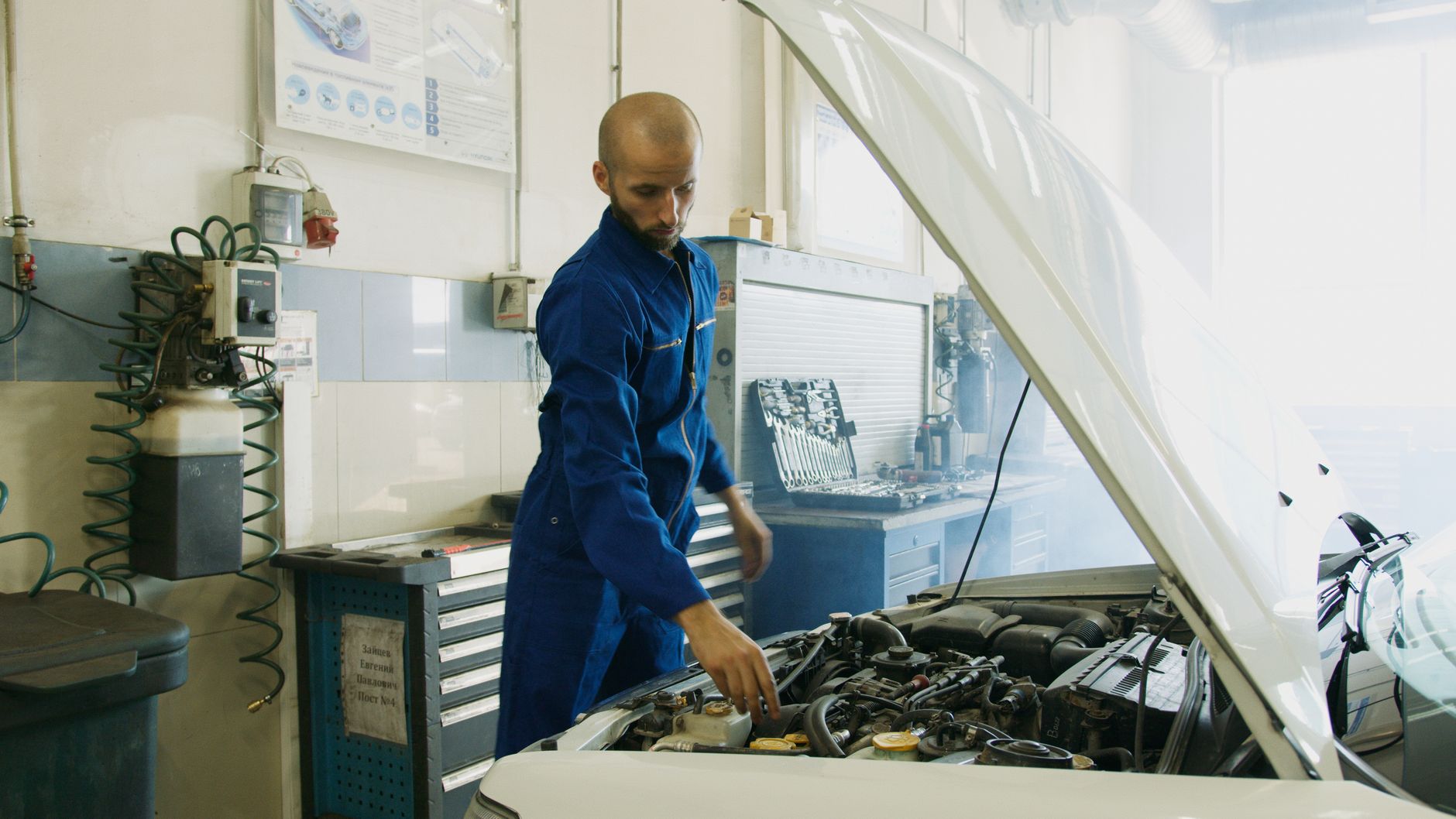
    A pre-purchase inspection at a Pennsylvania repair shop
    A hundred dollars here can save several thousand later.

    Agreeing the price and the tax that follows it

    The price you write down is the price Pennsylvania taxes at 6%. It is worth understanding what that means in practice before you negotiate.

    What a private sale costs beyond the sale price
    Purchase price 6% sales tax Title fee Registration (1 yr) State total
    $3,000 $180 $72 $48 $300
    $8,000 $480 $72 $48 $600
    $15,000 $900 $72 $48 $1,020
    $25,000 $1,500 $72 $48 $1,620

    Do not let a seller talk you into understating the price. It is tax fraud, PennDOT compares reported figures against standard vehicle value guides, and the person who signs the application is you. A full breakdown is in our guide to Pennsylvania title transfer costs.

    Paying a private seller for a used car in Pennsylvania
    Never pay in full before the title is verified.

    Line up insurance before the appointment

    Pennsylvania will not issue plates or registration without active coverage on the vehicle. This catches out buyers who plan to sort insurance later in the week.

    Call your agent with the VIN once you have agreed the purchase, and have an insurance card or binder ready to bring. If you are shopping rates rather than adding to an existing policy, do it before the sale rather than under time pressure — we can compare quotes across several carriers, and our guide to Pennsylvania’s minimum coverage requirements explains what you actually need to carry.

    Arranging Pennsylvania insurance before driving a newly purchased car
    Coverage has to be active before plates are issued.

    The transfer itself

    Pennsylvania requires the signatures on a vehicle title to be notarized. There is no private-sale exception, which means you and the seller both need to appear before a notary — though not necessarily at the same time.

    1. Meet at a notary who is also a PennDOT agent. One stop instead of two.
    2. Bring identification, the title, insurance, and the agreed price.
    3. Let the notary direct the signing. Nothing gets signed in advance — a pre-signed title is void.
    4. Pay the tax and fees. Collected at the time of transfer.
    5. Collect plates and registration. At an authorized agent, usually the same day.
    6. Watch the seller remove their plate. In Pennsylvania the plate belongs to the person, not the car.
    Completing a private car sale title transfer at a Pennsylvania notary
    Both signatures, witnessed, in one appointment.

    Our title transfer service in Bethlehem handles all of that in one appointment. For the mechanics of the signing itself, see our step-by-step title transfer guide, and for why the notary is unavoidable here, Pennsylvania’s notary requirement explained.

    Warning signs worth walking away from

    • The seller wants to meet somewhere other than their home. Occasionally innocent, often not.
    • The title is signed but the buyer section is blank. This is title jumping — the seller never registered the car in their own name.
    • Pressure to pay before the notary appointment. There is no legitimate reason for it.
    • The price is well below market with a story attached. Divorce, moving abroad, deployment — the story is doing the work the paperwork should be doing.
    • They will not accept a bill of sale. A seller with nothing to hide has no reason to object.

    Frequently asked questions

    Is a bill of sale required in Pennsylvania?

    Pennsylvania does not require a separate bill of sale for a standard private vehicle sale, because the notarized title records the transfer. It is still worth writing one — it documents the agreed price, the odometer reading, and that the vehicle was sold as-is.

    Can I drive the car home before the title is transferred?

    Not legally on the seller’s plate, which stays with the seller. You need your own registration and plate, or a valid transfer of a plate you already hold. The cleanest approach is to complete the transfer and receive plates before driving away.

    What if the seller cannot find the title?

    Do not pay until they produce it. The seller must apply for a duplicate title, which costs $72 and can take four to six weeks by mail. No title means no legal transfer of ownership.

    How do I know if the car has a lien on it?

    The lien is recorded on the face of the title. If a lienholder is listed, the seller must provide a lien release from that lender before the title can transfer. A title showing an unsatisfied lien cannot be transferred to you.

    Do I pay sales tax on a private sale?

    Yes. Pennsylvania charges 6% sales tax on private party sales based on the purchase price, the same as a dealer sale. In Lehigh and Northampton counties the rate is 6%; Allegheny is 7% and Philadelphia is 8%.

    Does the car need to pass inspection before I can register it?

    You can title and register the vehicle first, but Pennsylvania requires a current safety inspection to keep it registered, and Lehigh and Northampton counties also require an emissions test. Factor the inspection into your budget before you buy.

    Buying privately in the Lehigh Valley?

    Bring the seller and the title to us — notarization, sales tax, title transfer, plates and registration handled in one visit. Hablamos Español.

    Call 610-625-1525Book an appointment

  • How to Transfer a Car Title in Pennsylvania: Step-by-Step Guide

    How to Transfer a Car Title in Pennsylvania: Step-by-Step Guide

    Selling or buying a used car in Pennsylvania is mostly straightforward — until you get to the title. Pennsylvania is one of a small number of states that requires the signatures on a vehicle title to be notarized, and getting that one detail wrong can void the document entirely.

    This guide walks through the process in the order you will actually do it: what to gather, who signs what, where it gets processed, and the errors that send people back to square one.

    The one rule that makes Pennsylvania different

    In most states a private seller signs the back of the title, hands it over, and the buyer mails it in. Pennsylvania does not work that way.

    Here, the signature on a vehicle title must be witnessed by a commissioned Pennsylvania notary public. There is no exemption for private sales between friends or family. If a title reaches PennDOT with a signature that was not notarized, it is rejected.

    Signing a Pennsylvania vehicle title in front of a notary public
    Pennsylvania requires the seller’s signature on the title to be notarized.

    That single requirement is why most Pennsylvania transfers happen at an authorized agent rather than by mail. A notary who is also a PennDOT agent can witness the signature and process the paperwork in the same visit, which is exactly what our vehicle title transfer service in Bethlehem is built around. If you want the legal background on why the notarization matters, we covered it in detail in our explainer on Pennsylvania’s notary requirement for title transfers.

    Do not sign the title before your appointment. A pre-signed title is not valid, and correcting it usually means applying for a duplicate title first.

    What to bring before you start

    Gathering everything in advance is the difference between a short appointment and a second trip.

    Documents required for a Pennsylvania title transfer
    Item Who brings it Why it is needed
    Original Certificate of Title Seller Must be the original — photocopies and scans are not accepted
    Valid photo identification Both parties The notary must confirm identity before witnessing any signature
    Proof of Pennsylvania insurance Buyer Required before registration and plates can be issued
    Odometer reading Both parties Recorded on the title for vehicles under ten model years old
    Bill of sale or purchase price Both parties Determines the 6% sales tax owed on the transaction
    Lien release, if applicable Seller Proves any outstanding loan on the vehicle has been satisfied
    Documents needed for a Pennsylvania car title transfer laid out on a desk
    Bring every document to the appointment — a missing item means a second trip.

    Step by step: how the transfer actually works

    1. Agree on the price and write it down. The recorded price sets the sales tax, and PennDOT compares figures against vehicle value guides.
    2. Confirm the title is clean. The name must match the seller’s identification exactly, with no lien still recorded.
    3. Arrange insurance on the buyer’s side. Plates cannot be issued without active coverage. If you are shopping rates, our team can compare auto insurance quotes from multiple carriers before you finalize the purchase.
    4. Meet at a notary. Both parties bring identification. The seller completes the assignment section; the buyer completes the buyer section.
    5. Sign only in front of the notary. Print and sign exactly as the name appears on the front of the title — no nicknames, no initials.
    6. Pay the fees and sales tax. Both are collected at the time of transfer.
    7. Receive plates and registration. At an authorized agent, usually the same day.
    A buyer and seller meeting to complete a Pennsylvania vehicle sale
    Both parties have separate jobs on the title form.

    Who is responsible for what

    Most disputes come from one side assuming the other handled something.

    Buyer and seller responsibilities compared
    Task Seller Buyer
    Provide the original title Yes No
    Sign in front of a notary Yes Yes
    Report the odometer reading Yes — records it Yes — acknowledges it
    Pay the 6% sales tax No Yes
    Pay the state title fee No Yes
    Arrange insurance coverage No Yes
    Remove the license plate Yes — plates stay with the seller No

    Plates stay with the person, not the car. In Pennsylvania a registration plate belongs to the owner. Sellers should remove their plate before the buyer drives away, then either transfer it to another vehicle for a small fee or turn it in.

    Where you can complete the transfer

    Ways to process a Pennsylvania title transfer
    Option Same-day plates Notary included Best for
    Authorized tag service or PennDOT agent Yes Usually yes Private sales and anyone who wants it done in one visit
    Licensed car dealer Yes Handled internally Dealer purchases only
    By mail to PennDOT No — expect several weeks No — arrange separately Simple corrections and mail-in duplicates
    A PennDOT authorized tag service counter processing a title transfer
    An authorized agent can issue plates and registration the same day.

    Because PennDOT no longer runs walk-in vehicle counters, most Pennsylvania transfers now go through an authorized agent. Our PennDOT agent services in the Lehigh Valley cover title transfers, registration renewals, duplicate titles, and plate and sticker work in a single appointment.

    Special situations worth knowing about

    Gifting a vehicle to family

    A genuine gift is exempt from the 6% sales tax, and the exemption is not limited to family. It is claimed on Form MV-13ST, and the test is that nothing of value changed hands — see our guide to gifting a car in Pennsylvania.

    A family completing a gift title transfer for a vehicle in Pennsylvania
    A bona fide gift is exempt from sales tax, related or not.

    Inherited vehicles

    A vehicle passing through an estate needs supporting documentation, such as short certificates or an estate affidavit. Bring whatever the register of wills issued.

    Moving here from another state

    New residents have 20 days and an extra VIN tracing step — see titling an out-of-state car in Pennsylvania.

    Mistakes that force you to start over

    • Signing before you reach the notary. The most frequent cause of a voided title.
    • Crossing out or using correction fluid. Any alteration invalidates a title.
    • Signing the wrong section. The buyer and seller boxes sit close together.
    • Name mismatches. If the title says “Robert” and the ID says “Bob,” the transfer stalls.
    • Understating the sale price. This triggers a review and possible penalties.
    Correcting a mistake on a Pennsylvania vehicle title application
    Cross-outs and white-out are the most common reasons a title gets rejected.

    None are recoverable with a pen. Each one means applying for a duplicate title and starting the transfer again — which is why checking the paperwork before anyone signs is worth the extra minutes. For the full cost picture, see our breakdown of what a Pennsylvania car title transfer costs in 2026.

    Official forms and current procedures are published in PennDOT’s titling and registration FAQ.

    Frequently asked questions

    How long do I have to transfer a car title in Pennsylvania?

    Complete the transfer as soon as the sale happens. Driving an unregistered vehicle is a citable offense, and waiting also risks penalty interest on the sales tax you owe.

    Can I transfer a PA title without the buyer present?

    Yes, as long as each person signs in front of a notary. The buyer and seller do not have to appear at the same time — they can appear consecutively before the same notary with the title. What you cannot do is sign the title at home and bring it in later.

    What happens if I sign the title in the wrong place?

    A signature in the wrong box usually voids the title, and you will need to apply for a duplicate title before you can sell the vehicle. This is the single most common reason a transfer fails, which is why it is best to leave the title unsigned until you are in front of the notary.

    Do I need insurance before I can transfer the title?

    Yes — plates and registration cannot be issued without active Pennsylvania coverage. Bring an insurance ID card or a binder from your agent to the appointment.

    Can I transfer a title if there is still a loan on the car?

    Not until the lienholder releases it. Ask your lender for a lien release letter or the paper title before scheduling the transfer.

    Does an out-of-state title work the same way?

    Almost. Pennsylvania adds a tracing of the vehicle identification number, so bring the out-of-state title, your PA insurance, and photo identification, and allow extra time.

    Transferring a title in the Lehigh Valley?

    We are a licensed notary and PennDOT agent in Bethlehem — title transfer, notarization, plates, and registration handled in one visit. Hablamos Español.

    Call 610-625-1525Book an appointment