

Almost everything written about Pennsylvania car sales is aimed at buyers. That leaves sellers guessing about the parts that are genuinely their responsibility — and one of them determines whether the car stops being your problem the moment it drives off.
Before you list it
Three checks, all worth doing before a stranger is standing in your driveway.
Find the title and look at it properly. It must be the original, in your name, unaltered, and free of any recorded lien. If you cannot find it, you need a duplicate before you can sell — that costs $72 and takes four to six weeks by post, so start now rather than after you have a buyer waiting. Our guide to getting a duplicate title in Pennsylvania covers the process and the ten-day rule that delays it.
Clear any lien. A title showing an unsatisfied lienholder cannot be transferred. If the loan is paid off but the lien is still recorded, that needs resolving first.
Take the odometer reading. It gets recorded on the title, and it should match whatever you advertise.

The rule sellers get wrong most often
Do not sign the title in advance. Not to save time, not because the buyer asked, not because you are meeting somewhere inconvenient. Pennsylvania requires your signature to be witnessed by a notary, and a title signed at your kitchen table is void — leaving you applying for a duplicate before you can sell anything.
This is the single most common way a private sale collapses, and it is entirely avoidable. Leave every field blank until a notary is in front of you. The full picture is in why Pennsylvania requires a notary on car titles.
Your plate stays with you
Pennsylvania plates belong to the person, not the vehicle. When the sale completes, you take the plate off.
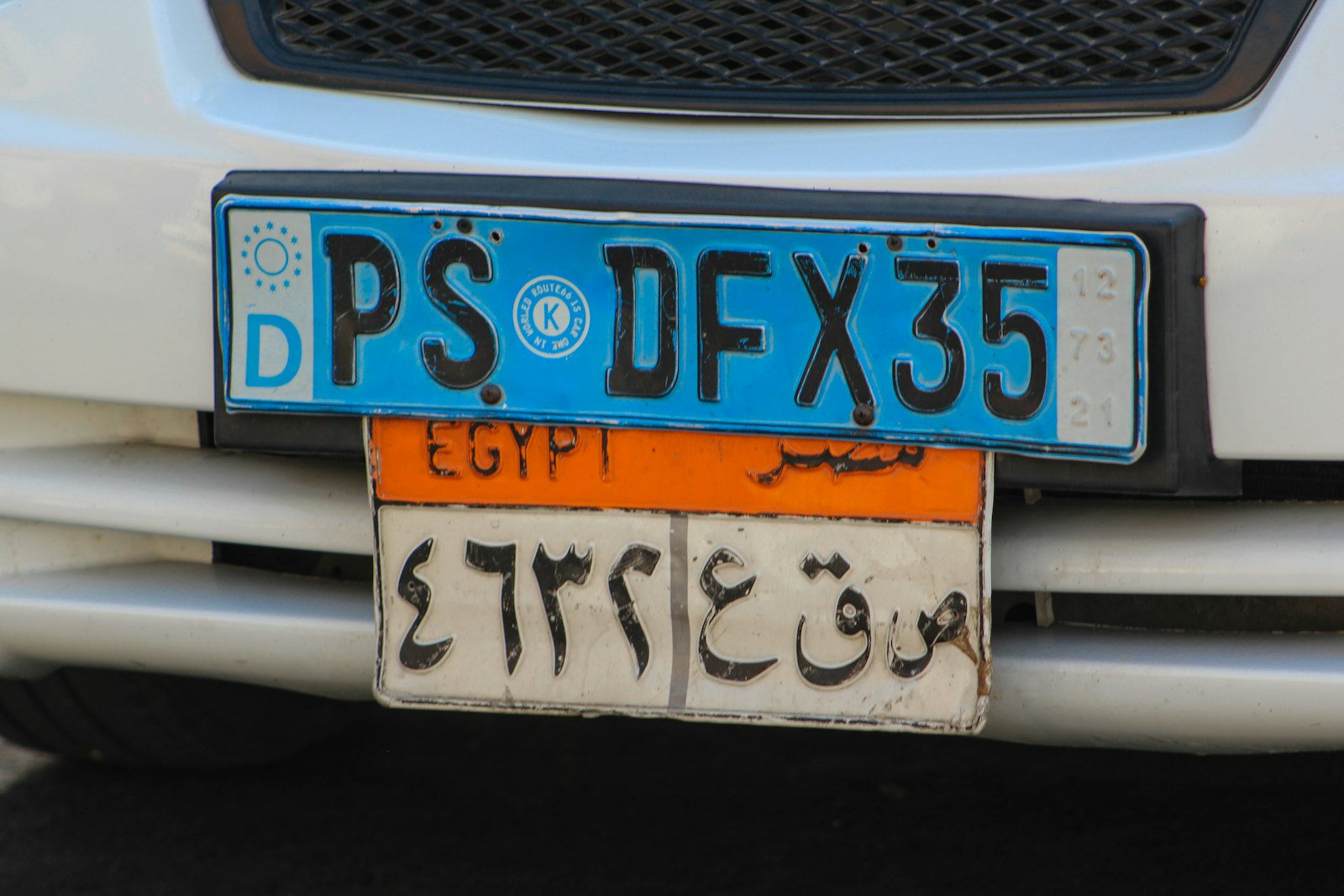
Leaving it on the car is a genuine risk, not a technicality. The registration record still points at you, along with anything that happens while that plate is displayed — tolls, tickets, or worse.
| Option | Cost | When it makes sense |
|---|---|---|
| Transfer it to your next vehicle | $11.00 | You are replacing the car |
| Hold it for a future transfer | None | You are buying again soon |
| Turn it in | None | You will not need it again |
| Leave it on the sold car | — | Never |
Transferring is the usual answer, and it must be done through an authorized agent — see how to transfer a license plate in Pennsylvania.
Documenting the price
The recorded purchase price determines the 6% sales tax the buyer pays. It is not your tax, but it is your signature on the paperwork.

Write a simple bill of sale in two copies, one for each of you. Pennsylvania does not require one for a standard private sale — the notarized title is the legal record — but it costs nothing and settles arguments later.
- Date, and both parties’ names and addresses
- Year, make, model and VIN
- The agreed price, in figures and words
- The odometer reading
- The words sold as-is, with no warranty
- Both signatures
Do not agree to understate the price. Buyers sometimes ask, to reduce their sales tax. It is tax fraud, PennDOT compares reported prices against vehicle value guides, and your name is on the document. The full cost breakdown shows what the buyer is actually paying.
There is no release-of-liability form
Sellers arriving from states like California or Florida often ask which form they file to notify the state that the car is no longer theirs. In Pennsylvania there is not one.
Your protection is the notarized assignment on the title, completed correctly, plus your own records. That makes those records worth keeping.
| Record | Why |
|---|---|
| A photograph of the completed title before handing it over | Proves what was assigned, and when |
| Your copy of the bill of sale | Establishes price, date and as-is terms |
| A photo of the odometer on the day | Settles any later mileage dispute |
| The buyer’s name and contact details | Occasionally needed afterwards |
| A note of the date you removed the plate | Separates you from anything that follows |
Meeting the buyer
Most private sales are unremarkable, and a few sensible habits keep them that way.

- Meet in daylight, somewhere public, and bring someone with you.
- Go along on the test drive, and check the buyer holds a licence first.
- Accept payment you can verify. Cash counted in a bank lobby, or a cashier’s cheque confirmed with the issuing bank — personal cheques clear long after the car has gone.
- Do not release the vehicle or the title until payment has genuinely settled.
Finishing it properly
- Meet at a notary who is also a PennDOT agent. One appointment covers the notarization and the state paperwork.
- Bring photo identification and the original title.
- Sign only when the notary directs you to, printing and signing exactly as your name appears on the front of the title.
- Remove your plate before the buyer leaves.
- Then deal with your insurance.

Leave the insurance until last. Until ownership actually transfers the car is still registered to you, and cancelling coverage on a registered vehicle can trigger a registration suspension — a problem covered in our registration renewal guide.

We handle both sides of private sales at our Bethlehem title transfer office — seller and buyer, notarization, sales tax, plates and registration in one visit. PennDOT’s own guidance for both parties is on its buying or selling a vehicle page.
Frequently asked questions
Do I keep my license plate when I sell my car in PA?
Yes. In Pennsylvania the registration plate belongs to the registrant, not the vehicle. Remove it before the buyer drives away, then transfer it to your next car for $11, hold it, or turn it in.
Does Pennsylvania have a release of liability form?
No. Unlike some states, Pennsylvania has no separate release-of-liability filing for private sellers. Your protection is the properly notarized assignment on the title plus your own records of the sale.
Do I have to be present for the notarization?
Your signature has to be witnessed by a notary, but you and the buyer do not have to appear at the same time. You can be notarized first and the buyer can attend separately with the same title.
Who pays the sales tax when I sell privately?
The buyer. Pennsylvania charges 6% sales tax on the purchase price and it is collected from the buyer when the transfer is processed. As the seller you owe no sales tax on the sale.
Should I let the buyer take the car for a mechanic’s inspection?
It is reasonable and a good sign that the buyer is serious. Go with them, or agree the shop in advance and meet there. Do not hand over keys and paperwork to someone you have just met.
When should I cancel my insurance on the car?
After the title transfer is complete, not before. Until ownership formally transfers, the vehicle is still yours, and a lapse in coverage on a registered vehicle can trigger a registration suspension.
Selling a car in the Lehigh Valley?
Bring the buyer and the unsigned title. We notarize, process the transfer, collect the tax and sort your plate in one appointment. Hablamos Español.