
Copy certification is one of the shortest notarial acts there is, and it produces more disappointed customers than almost anything else — because the document people most want copied is precisely the one no notary may touch.
What copy certification actually is
Certifying or attesting a copy is a recognised Pennsylvania notarial act. The notary examines an original document, compares the copy against it, and completes a certificate stating that the copy is a true, complete and accurate reproduction.

Two things follow from that description. The original has to be physically present — a notary cannot certify a copy against another copy, or against a photograph on your phone. And the notary is confirming likeness only, not that the original is genuine, current, or means what you think it means.
| The certificate says | The certificate does not say |
|---|---|
| This copy matches the original I examined | The original is authentic |
| The copy is complete | The original is still valid |
| I compared them personally | The contents are true |
| — | Any agency will accept it |
The document you cannot have copied
A Pennsylvania notary may not certify a copy of a birth certificate, death certificate or marriage certificate. These are vital records, and a certified copy has to come from the agency that issued it.
For Pennsylvania records, that is the Division of Vital Records. For records from another state or country, it is the equivalent authority there.
The reasoning is straightforward once stated. Vital records underpin passports, licences and citizenship. If any notary could produce a certified copy of a birth certificate, the entire identity chain would rest on a five-dollar act performed by thousands of people. So the issuing agency keeps that power to itself.
The same logic extends to other records held and issued by a public office. Where an official body maintains the record and issues certified copies, that office is the source — not a notary.
What can usually be certified
| Document | Notary may certify? | Better route |
|---|---|---|
| Birth, death or marriage certificate | No | Division of Vital Records |
| Court records and judgments | No | The clerk of courts |
| Recorded deeds | No | Recorder of Deeds |
| Passport or identity card | Often, subject to the recipient | Check what the recipient requires |
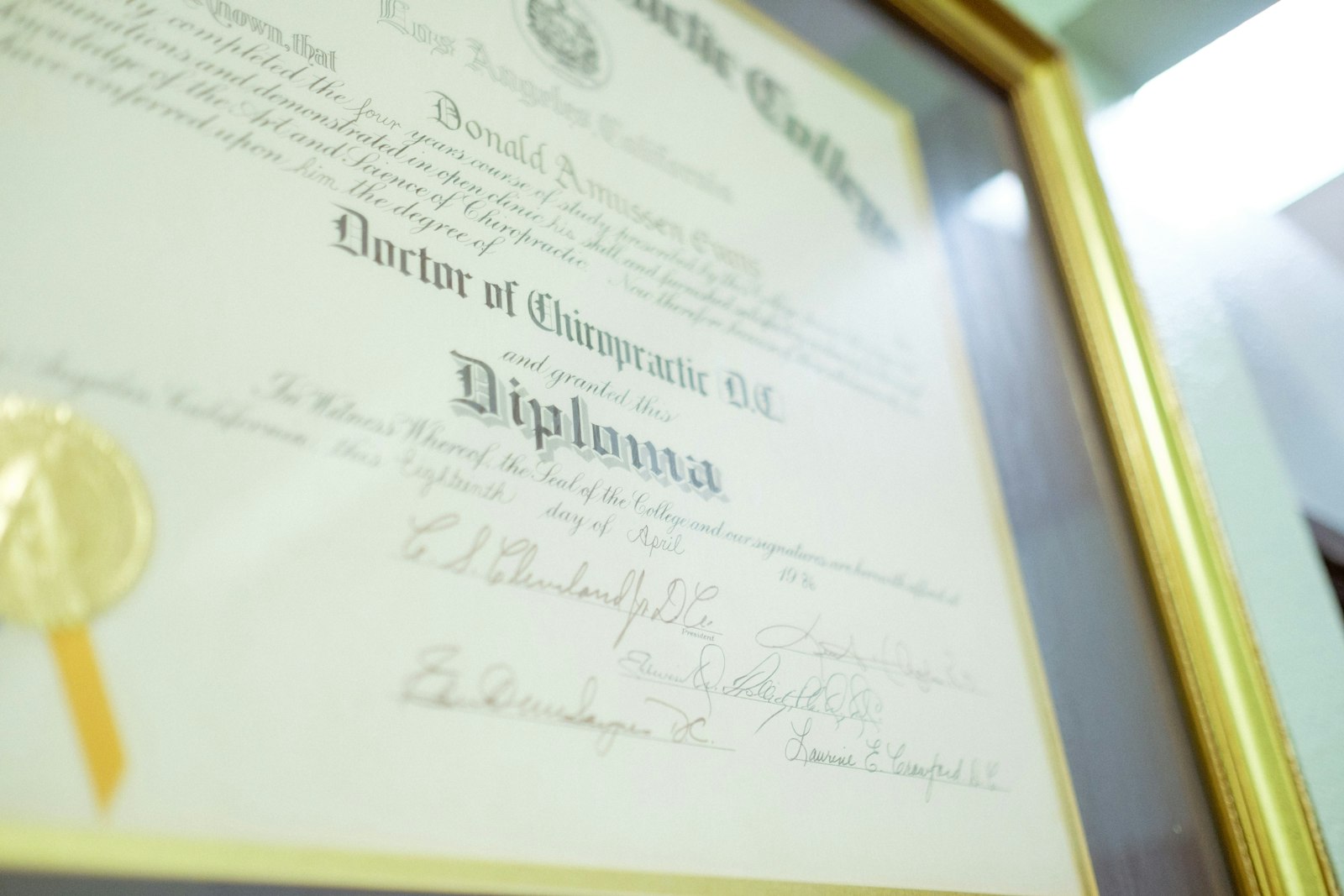
| Academic diploma or transcript | Often | The institution may issue its own |
| Contracts and agreements | Yes | — |
| Powers of attorney you hold | Yes | — |
| Medical or financial statements | Yes | — |

Academic documents are worth a specific note. Many universities issue their own sealed, certified transcripts, and institutions abroad frequently insist on those rather than a notarized copy. Ask the recipient before paying for the wrong thing.

The alternative when certification is barred
Being told no is not always the end of it. Where a notary cannot certify the copy itself, you may be able to swear to it instead.

A custodian affidavit is a sworn statement in which you declare that you hold the original document and that the attached copy is a true and complete reproduction of it. The notary is then taking your oath on a statement you have made — an ordinary verification on oath — rather than certifying the copy on their own authority.
Whether the recipient accepts that is entirely up to them, so ask first. But it is a legitimate route, and it is the one many agencies quietly expect when they ask for a “notarized copy” of something a notary cannot certify.
What to bring
- The original document — not a copy, not a scan
- A clear photocopy, or ask whether the office can make one
- Current government photo identification, if you will also be swearing an affidavit
- Payment — the act is capped at $5.00, with any copying charge disclosed beforehand
The full capped schedule is in what a Pennsylvania notary is allowed to charge, and the general appointment checklist is in what to bring to a notary appointment.
Ask the recipient first
Almost every wasted trip to a notary counter starts the same way: someone was told to bring “a notarized copy” and nobody asked what that meant.
The phrase is used loosely. Sometimes the recipient wants a copy certification. Sometimes they want a sworn affidavit attaching the copy. Sometimes they want a certified copy from the issuing agency and have simply used the wrong words for it.
One question settles it — who do you need this certified by? — and it costs nothing to ask before you drive anywhere.
If the copy is going abroad
A notarized copy heading to a foreign authority usually needs an apostille on top, and this is where the vital records rule bites hardest.
You cannot shortcut it by having a notary certify a copy of a birth certificate and apostilling that. The apostille certifies the official who signed — so the chain has to start with a properly issued certified copy from the registrar. The sequence is set out in apostilles and certifications for Pennsylvania documents.

We perform copy certifications alongside acknowledgments, affidavits and title work at our Bethlehem notary office — and will tell you straight away if what you need has to come from an issuing agency instead. Pennsylvania vital records are handled by the Department of Health’s Division of Vital Records.
Frequently asked questions
Can a Pennsylvania notary certify a copy?
Yes, for many documents. Certifying or attesting a copy is a recognised notarial act in Pennsylvania, capped at $5.00. The notary compares the copy against the original and completes a certificate confirming it is a true and complete reproduction.
Can a notary certify a copy of a birth certificate?
No. Birth, death and marriage certificates are vital records, and a certified copy must be obtained from the agency that issued them — in Pennsylvania, the Division of Vital Records. A notary is not permitted to certify one.
Why not? It is just a photocopy.
Because the certificate would compete with the official record. Vital records are the foundation of identity documents, and allowing anyone to produce a certified copy would create an obvious fraud route. The same reasoning applies to other recordable public records.
Can a notary copy my passport or green card?
A notary may generally certify a copy of an identity document where no law prohibits it, but requirements vary by what the copy is for. Many agencies specifically require the issuing authority’s certification instead, so confirm what the recipient needs before you go.
What is a custodian affidavit?
Where copy certification is unavailable, you may be able to swear an affidavit stating that you hold the original and that the attached copy is a true and complete reproduction. The notary takes the oath on your statement rather than certifying the copy itself.
How much does copy certification cost?
Certifying or attesting a copy is capped at $5.00 per act under the Pennsylvania fee schedule. A notary may also charge reasonable clerical costs, such as photocopying, if disclosed to you beforehand.
Need a copy certified?
Bring the original with you. If it is something we cannot certify, we will tell you where it has to come from — before you pay for anything. Hablamos Español.