

A notary has to be satisfied that the person in front of them understands what they are signing and is doing it willingly. That becomes considerably harder when the notary and the signer do not share a language — and Pennsylvania has specific rules for exactly that situation.
The rule, plainly
A Pennsylvania notary must be able to communicate with the individual they are serving directly, in a language they both understand — or indirectly, through an interpreter.
That second option matters. A number of states permit no interpreter at all and require the notary and signer to speak the same language. Pennsylvania takes the more practical view, with conditions attached.

These rules were adopted on 28 March 2026, as part of Pennsylvania’s implementation of the Revised Uniform Law on Notarial Acts. Guidance written before that date may describe a different position.
What the interpreter has to be able to do
The requirement is straightforward and worth reading carefully: the interpreter must be able to communicate directly with the signer and directly with the notary, at the time of the notarization.

All three parts matter. An interpreter who translates fluently for the signer but cannot make themselves understood to the notary does not satisfy it. Neither does a relative on a speakerphone from another country if they cannot participate properly in the appointment.
| Arrangement | Acceptable? | Why |
|---|---|---|
| Notary and signer share a language | Yes — ideal | No interpretation needed at all |
| Independent interpreter present in person | Yes | Can communicate with both parties |
| Family member present, no interest in the document | Generally yes | Meets the requirement, but see below |
| Family member who is also the agent or beneficiary | Poor practice | Interest in the outcome |
| Interpreter who cannot converse with the notary | No | Fails the direct communication rule |
| Written translation only, nobody present | No | No communication at the act itself |
Why a family member is often the wrong choice
Pennsylvania does not ban relatives from interpreting, and in ordinary situations a bilingual adult child is perfectly reasonable. The problem arises when that person is also involved in the document.

If the person doing the interpreting is the agent under a power of attorney, a beneficiary, or the buyer in a transaction, they are simultaneously explaining the document and standing to gain from it. Even where everyone is acting honestly, it is precisely the arrangement the safeguards exist to prevent.
This connects to a wider point about what a notary is for, covered in notary public versus notario público in Pennsylvania: the notarial act protects the signer, and it stops protecting them if the only person explaining it has an interest in the answer.
Documents in another language
A separate question is whether a notary may notarize a document they cannot read at all. Generally, yes — the notary certifies the identity and the signature, not the meaning of the text.
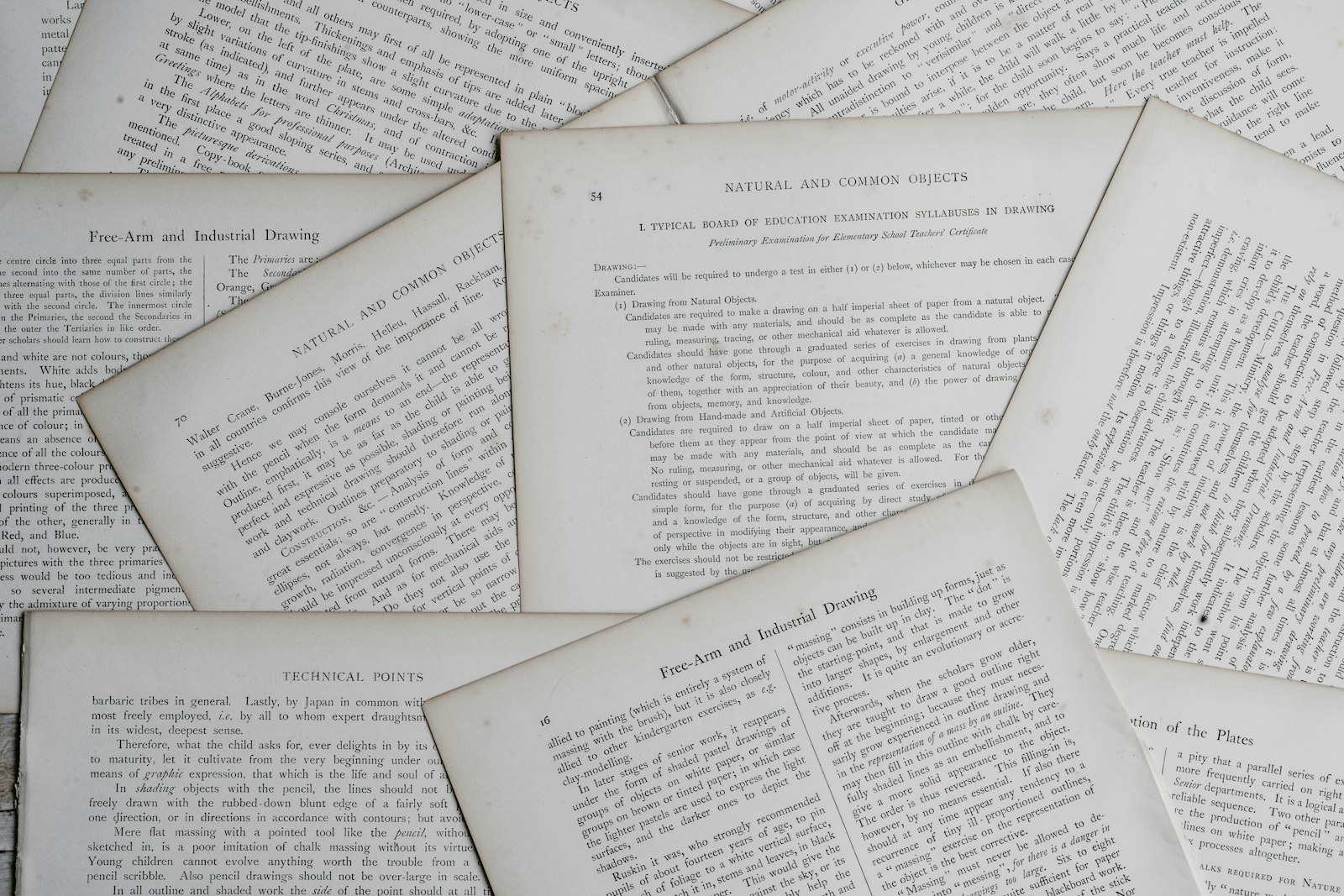
But Pennsylvania adds a specific condition for translations. A notary may notarize a document that is a translation, in a language the notary does not understand, only if the person who performed the translation makes a verification on oath or affirmation stating that the translation is accurate and complete.

In practice that means two notarial acts: the translator swears to the translation, and the signer signs the document. The translator’s statement is an ordinary verification on oath, and carries the same perjury exposure as any other sworn statement.
| Act | Who signs | What it establishes |
|---|---|---|
| Translator’s verification on oath | The translator | The translation is accurate and complete |
| Acknowledgment or jurat on the document | The signer | Identity, and that the signature is theirs |
What the notary is listening for
It helps to understand what the communication requirement is actually for, because it is not about fluency for its own sake.
A notary has to be satisfied of two things before performing the act: that the signer understands what they are signing, and that they are doing it of their own free will. Both are judgements made from the conversation in the room.
That is why a notary may decline where the signer seems confused, where someone else keeps answering for them, or where the signer appears to be under pressure. Those signals are harder to read through an interpreter, which is precisely why the rule requires the interpreter to be able to speak to the notary directly rather than simply relaying words.
A notary who cannot form that judgement is required to stop. Declining is not obstruction — it is the safeguard working.
What does not change
Language affects communication, not the rest of the notarial requirements.
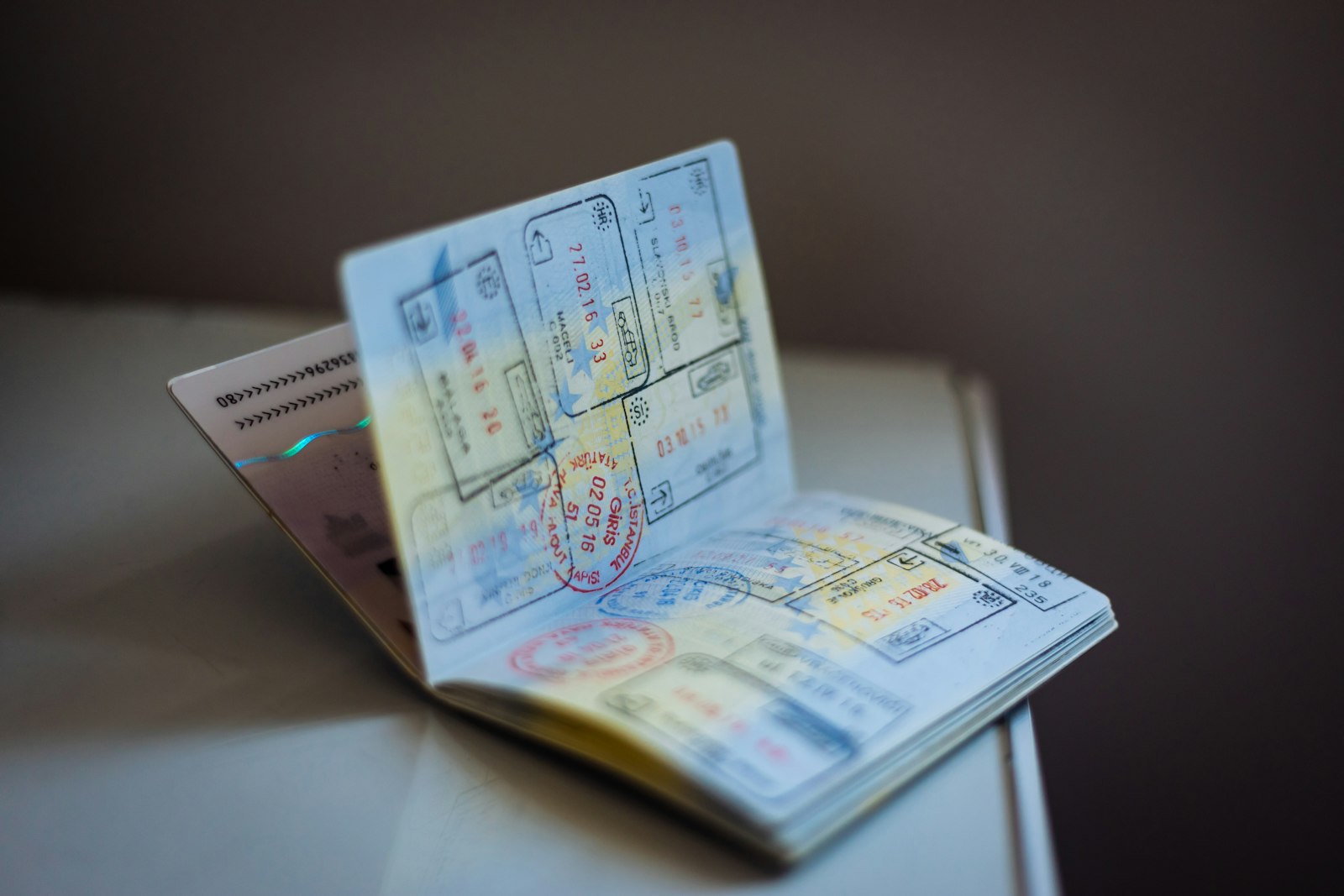
- The signer still needs current government photo identification bearing their signature, or a credible witness.
- The signer still has to appear in person.
- The document still has to be complete, with no blanks.
- The notary still cannot give legal advice, in any language.
- Fees are still capped — an interpretation requirement does not permit a higher notarial charge, though clerical costs may apply if disclosed. See what a notary may charge.
The simplest arrangement
Everything above describes how to make an interpreted notarization work properly. The cleaner answer, where it is available, is to use a notary who speaks the signer’s language — no interpreter, no intermediary, and no question about whether the signer genuinely understood what they were being asked.
Our office has served the Lehigh Valley in English and Spanish since 2005, which for most of our customers removes the problem entirely. Our notary services in Bethlehem cover acknowledgments, affidavits, title work and copy certifications, and what to bring to an appointment sets out the rest.
Pennsylvania’s Department of State publishes the current regulatory changes at notary regulations changes.
Frequently asked questions
Can a Pennsylvania notary use an interpreter?
Yes. A notary must be able to communicate with the signer directly in a language they both understand, or indirectly through an interpreter. The interpreter must be able to communicate directly with both the signer and the notary at the time of the notarization.
Can a notary notarize a document written in a language they cannot read?
Yes, with a condition where the document is a translation. A notary may notarize a translated document in a language they do not understand only if the person who performed the translation makes a verification on oath or affirmation that the translation is accurate and complete.
Can a family member act as the interpreter?
Pennsylvania does not prohibit it outright, but it is poor practice where the family member has any interest in the transaction. An independent interpreter avoids any suggestion that the signer was steered, which is the whole risk the rule addresses.
Does the interpreter need identification?
The notary is identifying the signer, not the interpreter. That said, many notaries record the interpreter’s details in their journal, and it is sensible for the interpreter to bring identification.
Does the signer still need acceptable identification?
Yes. Nothing about the language changes the identification requirement — current government-issued photo identification bearing the signer’s signature, or a credible witness where that is unavailable.
When did these rules take effect?
The regulations governing communication and translation in notarial acts were adopted on 28 March 2026 as part of Pennsylvania’s implementation of the Revised Uniform Law on Notarial Acts.
Hablamos Español
No interpreter needed — we serve Spanish-speaking customers directly, and have done since 2005. Walk in during business hours or call ahead. Bethlehem, PA.